Last updated November 17, 2026







Free written scope consultation - allowances, timeline, and change-order rules on paper before a single trade is scheduled
General Contractor Maintenance Checklist for Paradise Homeowners
Caulk that lasts 10 years in Seattle fails in 3 in Paradise. The desert doesn’t just wear things out faster – it wears out different things first. Here in Paradise, Nevada, the sun beats down relentlessly, temperatures swing from 40°F winter mornings to 115°F summer afternoons, and the monsoon season brings sudden downpours that test every drainage slope around your foundation. What works in the Pacific Northwest is a recipe for premature failure here. This guide gives you a maintenance checklist built specifically for Paradise’s climate, covering what to inspect, when to inspect it, and what you can handle yourself versus what needs a licensed contractor. You’ll learn the failure modes that show up after 5, 10, and 15 years in Nevada homes, and how to document conditions so you can get an accurate remote estimate before anyone shows up.
Quick Answer
Paradise homeowners should inspect stucco, caulk, and exterior paint annually – ideally every spring before the heat hits – and check roof flashing and drainage grading just before and after monsoon season (roughly July through September). HVAC ductwork and attic insulation deserve a professional inspection every 3 to 5 years, or immediately after any remodel that involved attic work. Anything involving high electrical work, gas lines, or roof access should go to a licensed contractor, not a weekend DIY project.
Styles & brands we work with
- Kitchen remodeling
- Bathroom remodeling
- Home additions & ADU
- Roofing
- Windows & doors
- Driveway & pavers
- Fence
Table of Contents
- UV and Thermal Cycling: What They Do to Stucco, Caulk, and Paint
- Your Paradise Inspection Calendar (What to Check When)
- HVAC and Ductwork: The Hidden Cost of Remodel Dust
- Caliche, Monsoon Season, and Foundation Grading
- What You Can Self-Inspect vs. What Needs a Contractor
- How to Document Conditions with Photos for a Remote Estimate
- What Fails at 5, 10, and 15 Years in a Nevada Home
- Materials That Actually Hold Up in Paradise’s Climate
UV and Thermal Cycling: What They Do to Stucco, Caulk, and Paint
Paradise sits at roughly 2,000 feet elevation with average UV indexes that hit 11 (extreme) for weeks in July and August. That’s not just a sunburn risk – it’s a structural one. UV radiation breaks down the polymers in exterior caulk and paint, turning them chalky and brittle. Meanwhile, thermal cycling – the daily swing from cool nights to scorching afternoons – causes building materials to expand and contract. Stucco, which is rigid, develops hairline cracks over time. Caulk, which is flexible, pulls away from joints when it loses elasticity.
In our experience working on Paradise homes, we see caulk joints around windows and doors failing at 3 to 5 years instead of the 8 to 10 years you’d expect in a milder climate. Paint on south- and west-facing walls chalks and fades roughly twice as fast as north-facing surfaces. Stucco cracking along corners and at penetration points (hose bibs, dryer vents, light fixtures) is common by year 7 or 8.
What to inspect annually:
- Caulk joints: Check every window, door, and penetration. Look for gaps, peeling, or powdering. If caulk pulls away when you press it, it’s done.
- Stucco cracks: Hairline cracks (under 1/16 inch) are usually cosmetic. Anything wider, or any crack that runs diagonally, needs a closer look.
- Paint condition: Chalking (white powder on your hand when you rub the wall) means the paint’s UV resistance is spent. Peeling at edges means moisture is getting behind it.
- Sun-facing walls: South and west elevations degrade first. Pay more attention there.
If you’re seeing widespread cracking or failing paint, that’s a sign to bring in a general contractor for an assessment. You can learn more about how we handle exterior work on the Sawyer Remodeling Paradise home page. And if you’re wondering how this compares to nearby communities, our general contractor services in Sunrise Manor guide covers similar desert climate challenges.
Your Paradise Inspection Calendar (What to Check When)
Maintenance schedules written for the Pacific Northwest assume mild, wet winters and dry summers. Paradise is the opposite: dry most of the year, with sudden, intense monsoon rains from July through September. That means your inspection calendar should be timed around heat stress and water intrusion events, not just the changing seasons.
Follow this schedule:
- March (before the heat): Inspect caulk, check paint condition, look for stucco cracks, clean your HVAC filter, and walk your roofline from the ground with binoculars. This is your best window to schedule exterior work before temperatures make it uncomfortable or risky.
- May (pre-monsoon): Check drainage around your foundation. Look for settled soil, gaps where the ground meets the slab, and any low spots where water might pool. Clear debris from gutters and downspouts if you have them.
- July through September (monsoon season): After each significant rain event, walk the perimeter. Look for water staining on stucco, pooling near the foundation, and any new cracks. Check your attic for signs of roof leaks – brown stains on rafters or insulation.
- October (post-monsoon): Do a final inspection before winter. Check caulk again (heat may have opened new gaps), look for erosion around downspouts, and schedule any repairs before cool weather settles in.
- Ongoing: Every 3 to 5 years, get a professional HVAC inspection, including ductwork and attic insulation condition. Every 10 to 15 years, expect to repaint exterior surfaces and recaulk major joints.
This calendar isn’t arbitrary. It’s built around the specific timing of Paradise’s climate extremes. Miss the March window and you’re doing caulk in 105°F heat, which affects adhesion and your patience. Skip the pre-monsoon grading check and you’re rolling the dice on water intrusion.
HVAC and Ductwork: The Hidden Cost of Remodel Dust
If you’ve remodeled recently – or if the previous owner did – your ductwork may be compromised. Remodeling generates dust, debris, and sometimes physical disturbance to attic insulation or duct runs. In Paradise’s climate, where your AC runs from April through October, any leak in the duct system is money leaking out. We’ve seen duct seals fail at joints after attic work, and insulation batts dislodged during electrical or plumbing rough-in.
Signs your ductwork or attic insulation was disturbed:
- Uneven cooling – one room is consistently warmer than others
- Higher-than-expected energy bills compared to previous years
- Dust blowing from vents when the system kicks on
- Visible gaps in attic insulation, or insulation that looks compressed, moved, or missing entirely over living areas
- Condensation on ductwork in the attic (rare in Paradise but possible if seals fail)
What a professional should check:
- Duct joints and connections: Look for separated tape, disconnected flex duct sections, or crushed runs that restrict airflow. Seal them properly – not with duct tape from the hardware store, but with mastic or foil tape rated for HVAC use.
- Attic insulation coverage: In Paradise, you want R-38 to R-49 depending on your system. Any areas where insulation has been moved aside for attic access or previous work need to be re-covered.
- Air handler and furnace connections: Check where the unit connects to the duct system. These joints often leak after equipment replacement or repair.
- Filter condition: This is something you can check yourself every 1 to 3 months. A clogged filter strains the system and reduces efficiency.
If you’ve had a kitchen or bathroom remodel that involved any attic or ceiling work, get a duct inspection. You can learn more about how we handle renovations on our kitchen remodeling in Sunrise Manor page – the same principles apply in Paradise.
Caliche, Monsoon Season, and Foundation Grading
Caliche is the layer of cemented calcium carbonate that forms in desert soils – hard, nearly impermeable, and common in Paradise. When monsoon rains hit, water that can’t soak through caliche runs on the surface. If your yard slopes toward your foundation, that water is heading straight for your slab or stem wall. And if you’ve had landscaping or hardscape work done, you may have unknowingly changed the drainage pattern around your home.
Why grading matters more after summer monsoon season:
Most of Paradise’s annual rain (roughly 4 to 5 inches) falls in intense bursts during July through September. The ground is baked hard from months of dry heat, so it doesn’t absorb rainwater quickly. Add caliche, and you have a recipe for sheet flow – water moving fast across the surface. If your grading creates a low spot against the house or your patio drains toward the door, you’ll know it by October.
What to check:
- Slope away from the house: The soil should drop 6 inches over the first 10 feet from your foundation. Use a level or just watch where water pools after a rain.
- Downspouts and drainage paths: If you have gutters, downspouts should direct water at least 4 to 6 feet away from the foundation. Splash blocks help.
- Patio and driveway edges: These hardscape surfaces can settle over time, creating a reverse slope toward the house. If you’ve used Cambridge Pavers or Techo-Bloc products for hardscaping, check the edges after monsoon season for settling.
- Landscaping changes: New planters, raised beds, or berms can redirect water. If you’ve changed your yard, re-check the grading.
- Foundation cracks: Small cracks in stucco or slab are common in desert homes. But if you see new ones after monsoon season, or if existing ones widen, get an inspection.
We’ve seen homes in Paradise where a summer monsoon event sent water against a stem wall because a patio had settled by an inch or two. The fix was minor – regrade the soil and redirect a downspout. The water damage inside, from a slab that soaked up moisture, was not minor. If you’re seeing drainage issues, call a contractor before the next storm season. We offer free estimates in Paradise – (866) 977-0526.
What You Can Self-Inspect vs. What Needs a Contractor
Not every maintenance task requires a professional. But in Paradise, some tasks are genuinely dangerous or require licensed expertise. Here’s the split.
Safe for homeowner self-inspection:
- Caulk condition: Press on joints. If you can fit a fingernail between caulk and surface, it’s failing.
- Paint chalking: Rub a white cloth on the wall. Chalking means paint is degrading.
- Visible stucco cracks: Look, measure with a coin or ruler, don’t climb.
- HVAC filter: Check every 1 to 3 months and replace when dirty.
- Drainage: Watch where water goes after a rain. Look for pooling.
- Attic visual check: If you can safely access your attic, look for stains on rafters, displaced insulation, or visible duct separation.
Requires a licensed contractor:
- Roof inspections: Walking a roof is dangerous. In Paradise, roof surfaces get hot enough to cause burns, and falls are a real risk. Don’t do it. Use binoculars from the ground and call a professional for any roof-level inspection.
- Electrical panel or wiring work: Even minor electrical work requires a licensed electrician. The risk of shock or fire is too high.
- Gas lines: Any work on gas appliances or lines requires a licensed professional and a permit.
- HVAC ductwork repair: Attic ductwork involves tight spaces, insulation hazards, and system knowledge.
- Stucco repair: While caulk is DIY, patching stucco properly requires material knowledge and technique.
- Foundation-level issues: Any suspected foundation damage needs a contractor’s assessment, not a DIY fix.
The line is simple: if the task involves heights, electricity, gas, or structural elements, call a pro. If it involves looking, touching, or replacing an air filter, you’re fine.
How to Document Conditions with Photos for a Remote Estimate
One of the best ways to get an accurate estimate without waiting for a contractor to show up is to document conditions yourself with photos. This is especially useful in Paradise, where schedules fill up and a contractor may not be able to visit immediately. Good photos let a professional give you a realistic price range before anyone sets foot on your property.
How to take photos that help:
- Establish context first: Take a wide shot of the whole house or the full wall from a distance. This tells the contractor which side of the house is affected.
- Get closer: Move in for a photo of the specific problem area. Fill the frame with the cracked stucco, failing caulk joint, or water stain.
- Add a scale reference: Place a ruler, a coin, or your hand next to the crack or opening so the contractor can tell how big it is.
- Show the “before” condition: If you know what the area looked like before damage, note that. “This caulk was replaced 4 years ago” is useful information.
- Photograph from multiple angles: Take photos straight-on and from an angle to show depth. Cracks are hard to judge from a single flat image.
- Document drainage paths: For grading issues, take photos during or right after rain if you can safely do so. Photos showing water pooling near the foundation are gold.
- Don’t edit the photos: No filters, no cropping away context. Send the originals. Contractors can read between the lines if they see the whole picture.
When you send photos, include a brief note: what you’re seeing, when you noticed it, and any history (recent remodel, previous repair, etc.). A contractor can often tell from photos whether the issue is cosmetic or structural and whether they need to schedule a full inspection or can quote from the images. This saves time and gets you moving faster.
What Fails at 5, 10, and 15 Years in a Nevada Home
In our experience working on Paradise homes across every age range, we see predictable patterns. These aren’t guesses – they’re the failure modes that show up on a timeline in this climate.
At 5 years:
- Caulk joints: Window and door caulk is often at the end of its life, especially on south and west exposures.
- Paint: South-facing surfaces may begin chalking. You’ll notice a faded, powdery look.
- Stucco: Hairline cracks at corners and around penetrations. These are cosmetic at this stage but should be monitored.
- HVAC: If you haven’t changed your filter regularly, or if the home was remodeled, duct joints may be showing wear.
At 10 years:
- Caulk: Major joints (windows, doors, penetrations) likely need replacement.
- Paint: Most exterior surfaces are due for a repaint. Chalking is widespread.
- Stucco: Cracks may have widened or new ones appeared. Water intrusion risk increases.
- Roof: Depending on material, your roof may be approaching the end of its useful life. In Paradise, intense UV ages roofing faster than in cooler climates.
- Drainage: Soil settlement around the foundation may have created low spots.
At 15 years:
- Stucco: Expect to need more significant repair – crack sealing, patching, and possibly a recoat.
- Roof: Most roofing materials need replacement or major repair by now.
- HVAC: Systems at this age are typically due for replacement or major work.
- Windows: Seals fail, and you may notice condensation between panes.
- Hardscape: Materials like Oldcastle pavers or Quikrete-set hardscape may show settling or cracking.
Knowing these timelines helps you budget. If your home is at the 10-year mark and you haven’t addressed caulk and paint, you’re behind – not broken, but due.
Materials That Actually Hold Up in Paradise’s Climate
The material choices that work in other climates don’t always translate here. In Paradise, we’ve found that a few brands and product types consistently perform better under UV, heat, and thermal cycling.
Exterior surfaces:
- Caulk: Look for high-performance elastomeric caulk rated for high UV exposure and movement. The cheap painter’s caulk will fail in 2 years.
- Paint: 100% acrylic latex paints with UV inhibitors hold up better than cheaper alternatives. Two coats, always.
- Stucco: Traditional three-coat stucco with a proper sealant is still the standard. After repair, re-seal to protect against UV degradation.
- Roofing: GAF and CertainTeed both make products rated for high-UV climates. Tile roofing is common in Paradise and performs well, but underlayment still fails over time.
Hardscape:
- If you’re replacing patios or walkways, Cambridge Pavers and Techo-Bloc both make products with high color retention under UV. Proper base prep with a well-compacted aggregate (Quikrete offers materials for this) is critical – settling causes drainage issues.
Interior surfaces (for remodels):
When you’re remodeling, material choices affect maintenance. Cambria, Silestone, and Caesarstone countertops resist UV and heat better than natural stone, which can fade or discolor near windows. Kohler, Moen, and Grohe fixtures hold up to hard water – which Paradise has in abundance. James Hardie siding is popular in this region for its resistance to heat and moisture cycling.
You can see how these materials come together in our bathroom remodeling in Sunrise Manor page, where we walk through the same considerations.
Common Mistakes to Avoid
- Using painter’s caulk on exterior joints: It’s cheap, it’s easy, and it fails in 2 years in Paradise. Pay for high-UV elastomeric caulk and do it once.
- Skipping the pre-monsoon grading check: Water damage from a single monsoon event can cost thousands. A 15-minute walk around your foundation in June prevents that.
- Ignoring attic ductwork after a remodel: Remodeling disturbs ducts and insulation. If you had work done and your cooling bills went up, get it inspected.
- Repainting without fixing the caulk first: Paint over failing caulk and you’ll be back to the same problem in 2 years. Strip, recaulk, then paint.
- DIY roof inspections: In Paradise’s heat, roof surfaces reach temperatures that can burn skin in seconds, and falls are the real risk. Use binoculars from the ground.
- Assuming your HOA covers exterior maintenance: Most Paradise HOAs don’t. Read your CC&Rs before assuming someone else is responsible for stucco, paint, or caulk.
- Waiting for a problem to become obvious: By the time you see water staining inside, the damage has been developing for months. Annual inspections catch small issues before they’re expensive.
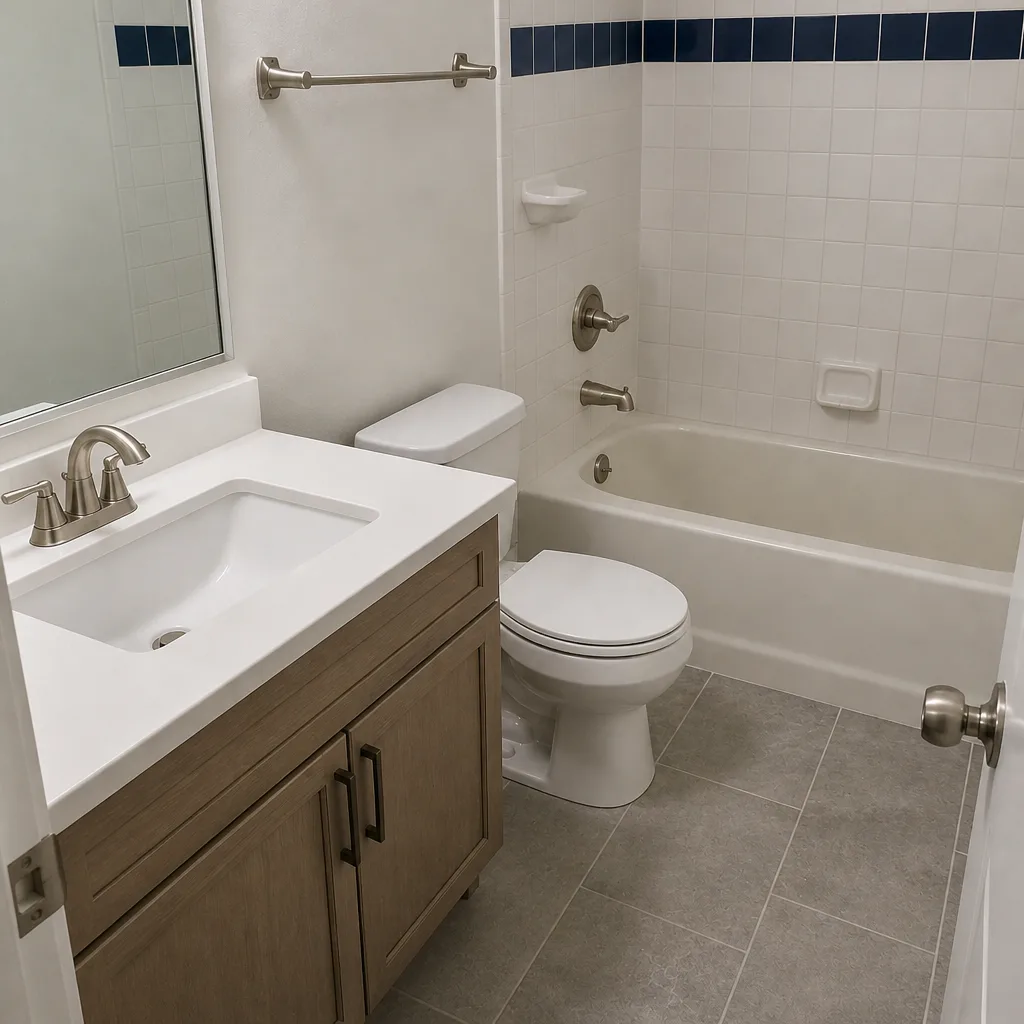
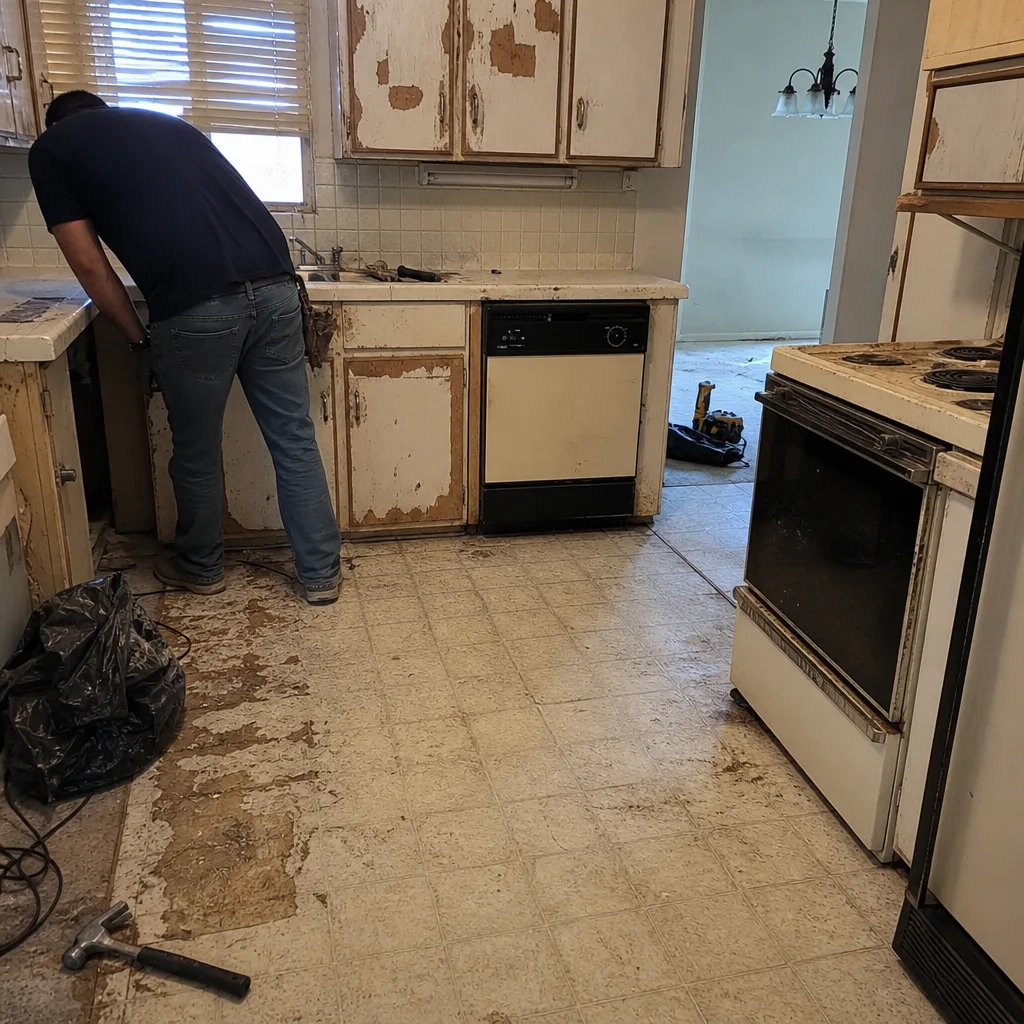
See the difference
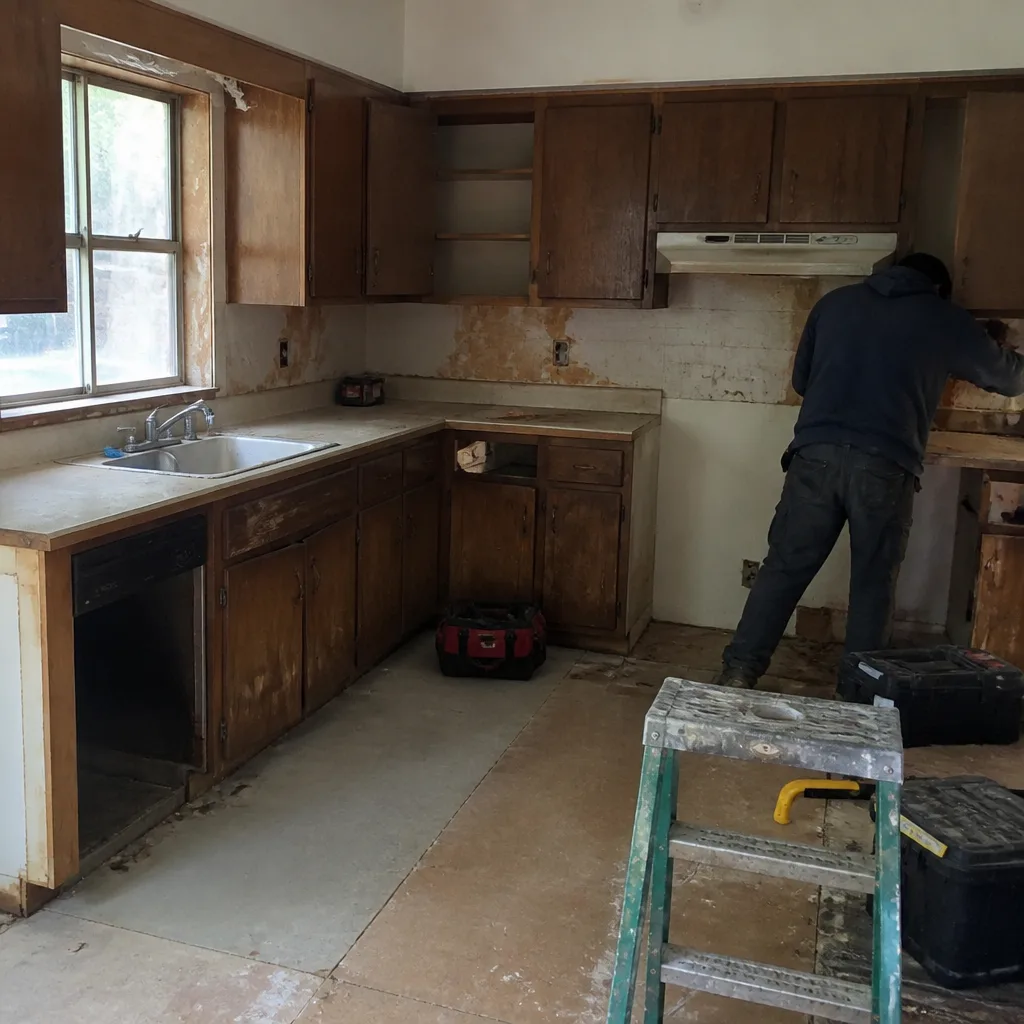 Before
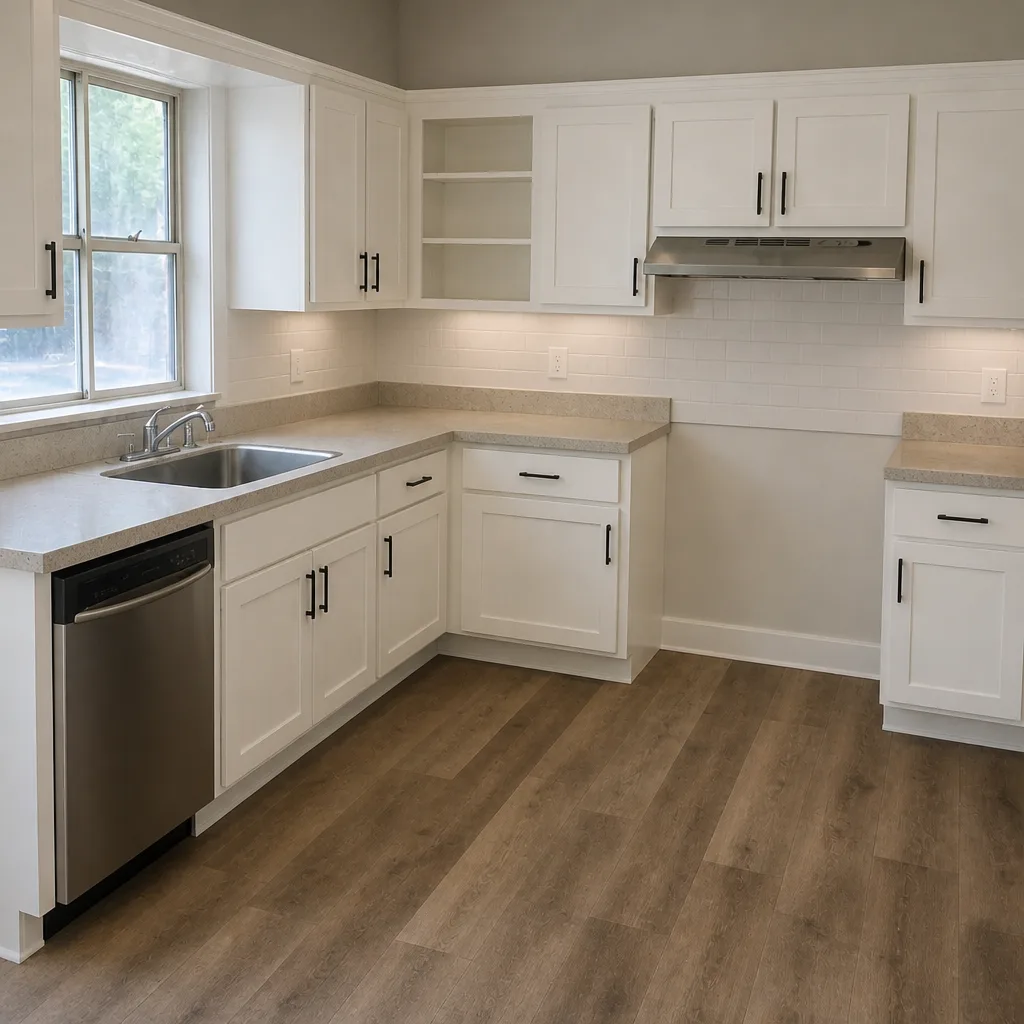 After
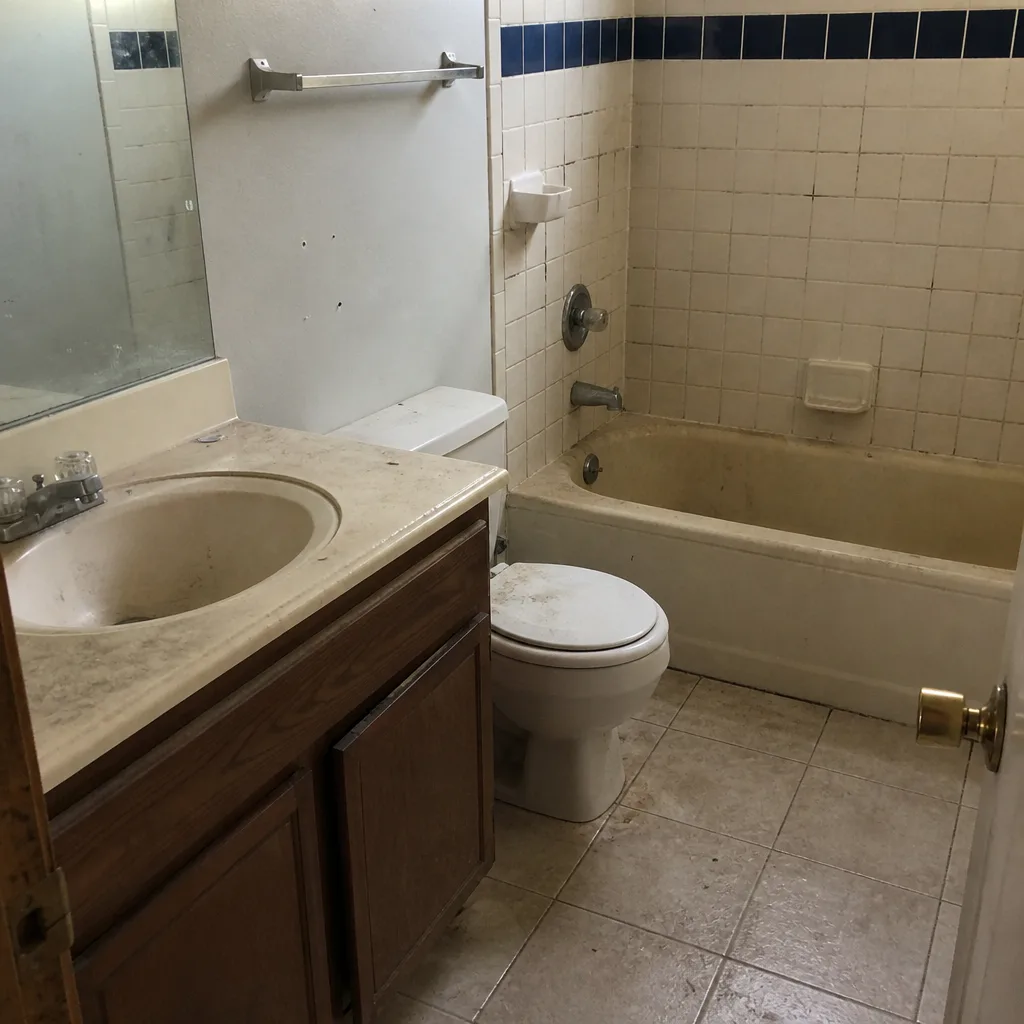 Before
 After
 Before
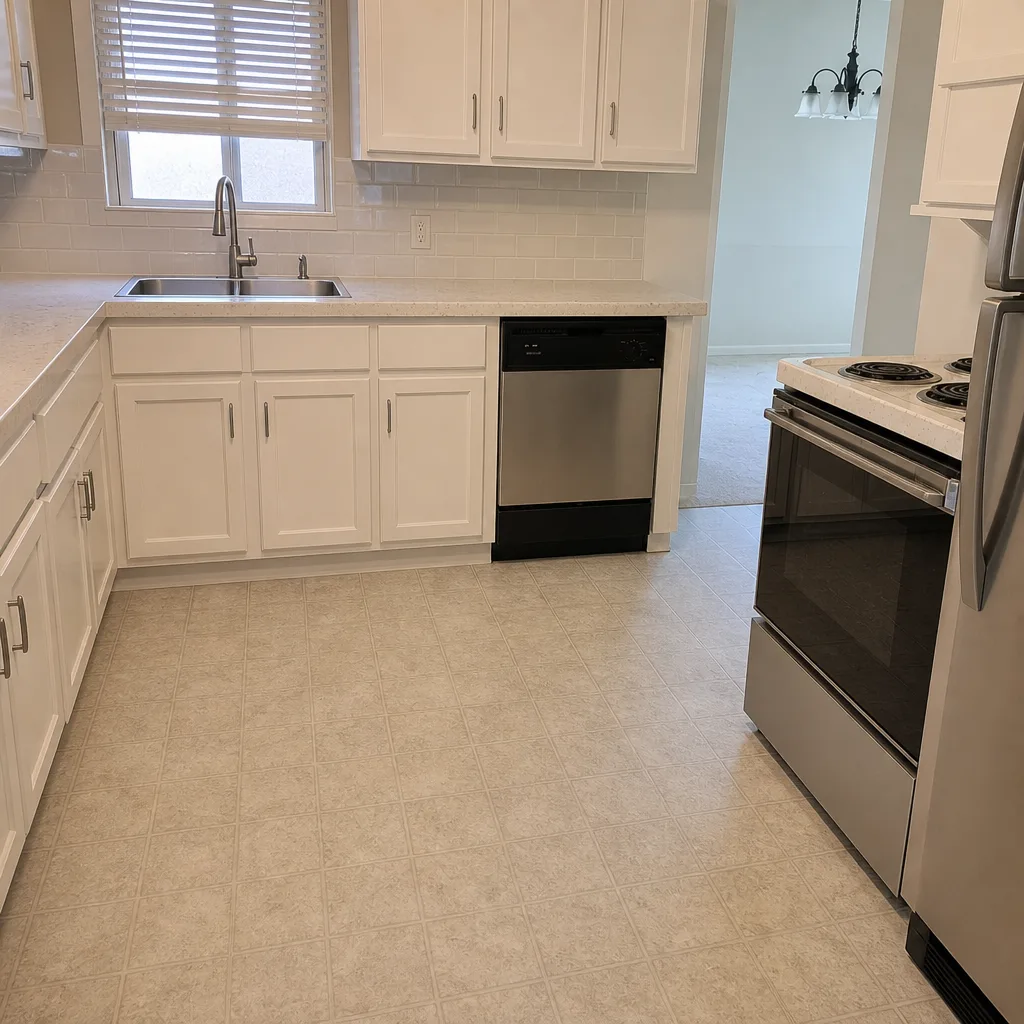 After
When to Call a Professional
Call a professional when the work involves heights, electricity, gas, or structural elements. That means roof inspections, electrical panel work, gas line repairs, HVAC ductwork in the attic, stucco repair beyond hairline cracks, and any sign of foundation damage. Also call if you’ve had a recent remodel and notice uneven cooling, higher energy bills, or visible insulation gaps – those are signs that ductwork or insulation was disturbed and needs professional attention. If you’re unsure whether a crack is cosmetic or structural, get an assessment rather than guess. Sawyer Remodeling Paradise offers free estimates in Paradise – call (866) 977-0526 to schedule yours. We’ll give you a written price before work starts, and we’ll tell you honestly whether you need us or a different trade.
Frequently Asked Questions

Every 3 to 5 years for most joints, annually for joints on south- and west-facing walls. In Paradise’s UV environment, caulk fails faster than in milder climates. Check annually and replace when it pulls away, cracks, or powders.
Walk the perimeter of your home and check for water staining on stucco, pooling near the foundation, new cracks, and any signs of water inside (stains on ceilings or walls). Check your drainage paths, downspouts, and low spots in the yard. If you see water pooling against the house, address it before the next storm.
No. Use binoculars from the ground. Roof surfaces here reach temperatures that can cause burns, and falls are the real risk. A professional roofer or general contractor should do any roof-level inspection or repair.
Look for uneven cooling, higher energy bills, dust blowing from vents, or visible gaps in attic insulation or duct joints. If you had any attic work done – electrical, plumbing, or HVAC – get a duct inspection.
Yes. Caliche and compacted desert soil don’t absorb water well, so grading around your foundation matters more here than in other climates. Ensure the soil slopes away from the house and that downspouts direct water at least 4 to 6 feet away.
Caulk and drainage. Those are the two areas that lead to the biggest problems if ignored. Caulk failure lets water into walls; poor grading lets water sit against your foundation. Both are relatively inexpensive to fix early and expensive to fix after water damage. Call (866) 977-0526 for a free estimate if you’re unsure where to start.
The Bottom Line
Maintenance in Paradise isn’t the same as maintenance in Seattle. UV intensity, thermal cycling, and monsoon season create failure modes that a wet-climate checklist won’t catch. Inspect caulk and stucco annually, check grading before and after monsoon season, and keep an eye on your attic if you’ve remodeled. Know the timelines: caulk and paint are due at 5 to 10 years, roofing and HVAC at 10 to 15. And document what you see with photos – it’s the fastest way to get an accurate remote estimate. If anything looks structural, involves heights, or touches electrical or gas systems, get a licensed contractor. Sawyer Remodeling Paradise is part of the Relay Home Co. family, and every project comes with a written price, live arrival tracking, and our 365-Day Done Right Promise.
Ready to get a professional assessment of your Paradise home? Call (866) 977-0526 for a free estimate. We’ll give you a written price before any work starts.
Written by the team at Sawyer Remodeling Paradise.