
Free written scope consultation - allowances, timeline, and change-order rules on paper before a single trade is scheduled
James Hardie Home Additions & ADU: The Paradise Owner’s Guide
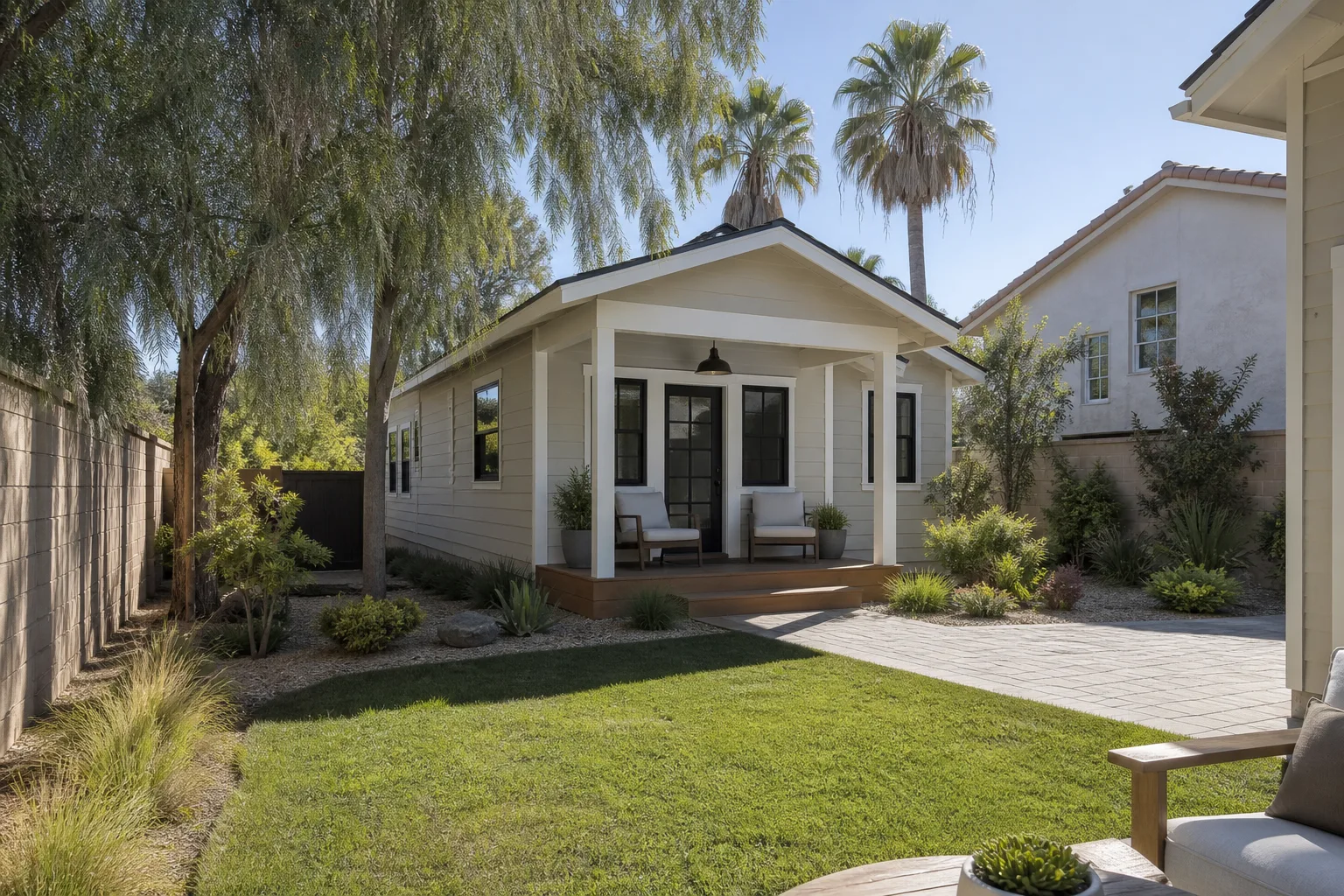
We build James Hardie-clad home additions and accessory dwelling units (ADUs) for Paradise homeowners, and the installed price typically lands between $45,000 and $130,000 for additions and $90,000 to $220,000 for a full ADU, depending on square footage, foundation, and how much plumbing and electrical runs out to the new footprint. The written price arrives before any work begins, so the number you approve is the number on the invoice. Most owners in Paradise start noticing trouble when the cladding on an older addition begins to fail: paint peeling in sheets, caulk pulling away from the trim, soft spots near the corners. Sometimes it’s a garage conversion that was never properly sided, and the James Hardie panels are the fix.
Which James Hardie Models This Applies To
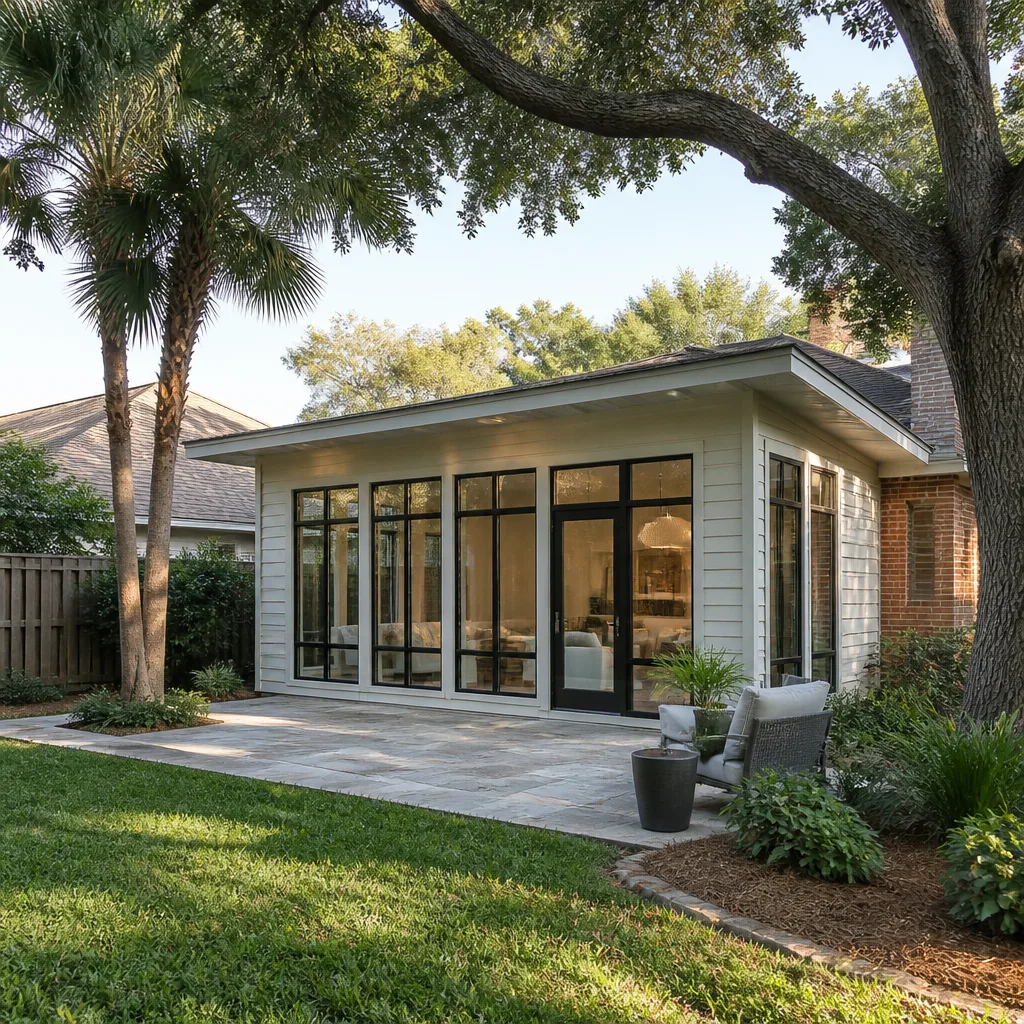
James Hardie fiber cement siding comes in several lines, and matching the right one to your addition or ADU matters for color, thickness, and trim compatibility. The main residential lines are HardiePlank lap siding, HardiePanel vertical siding, HardieShingle, and HardieTrim boards. Each comes in two thicknesses, 5/16-inch for most lap and panel profiles and 7/16-inch for areas that need more rigidity, like gable ends or high-wind zones. If you’re matching an addition to an existing house, measure the exposed lap width (usually 6, 7, or 8 inches) and check the panel’s reveal line. The color matter too: Hardie’s ColorPlus factory finish is baked on and behaves differently than field-painted siding, so a mismatched line will show a color seam in daylight.
To identify what’s on your existing structure, look for the small printed ID on the back of a piece you can access (under a window, behind a light fixture), or measure a panel’s thickness with a caliper. OEM Hardie panels carry the manufacturer’s warranty on the finish. Quality aftermarket equivalents exist and cost 15-25% less, but they rarely match the exact lap profile and color, which shows up as a visible seam where the new and old siding meet. For additions and ADUs where the whole new wall is James Hardie, aftermarket can work. For tying into an existing Hardie wall, the OEM match is usually worth the difference. We’re an independent remodeling contractor and not affiliated with James Hardie; we specify their product because it performs in this climate.
Styles & brands we work with
- Kitchen remodeling
- Bathroom remodeling
- Home additions & ADU
- Roofing
- Windows & doors
- Driveway & pavers
- Fence
Signs Your James Hardie Home Additions & ADU Is Failing
- Paint peeling in sheets or curling at the laps. On a James Hardie surface, that signals trapped moisture or a failed topcoat, often from the panel’s backside wicking water because the flashing under the sill was never installed. In a Paradise addition, the most common cause we see is a missed kick-out flashing over a low roof-to-wall transition.
- Caulk joints failing at trim and corners. Caulk has a 5- to 10-year life in the Nevada sun, and UV degrades it faster on south and west walls. When the joint opens, water gets behind the siding and the fiber cement starts to swell at the exposed edge.
- Soft, chalky, or crumbling fiber cement. Hardie is durable, but a panel installed below grade or butted tight against soil wicks moisture and crumbles at the bottom edge. If you can push a screwdriver blade into the siding, it’s beyond repair.
- Visible cracks running along the panel corners. Hardie fiber cement expands and contracts with temperature swings, and a panel nailed too tight (no room for movement) cracks at the fastener. Attic additions with no thermal break at the top plate are especially prone.
- Draft, daylight, or a soft spot around the addition’s door or window openings. This is often the sheathing behind the siding, not the siding itself, so look for staining or delamination around the opening before you assume the panel is the problem.
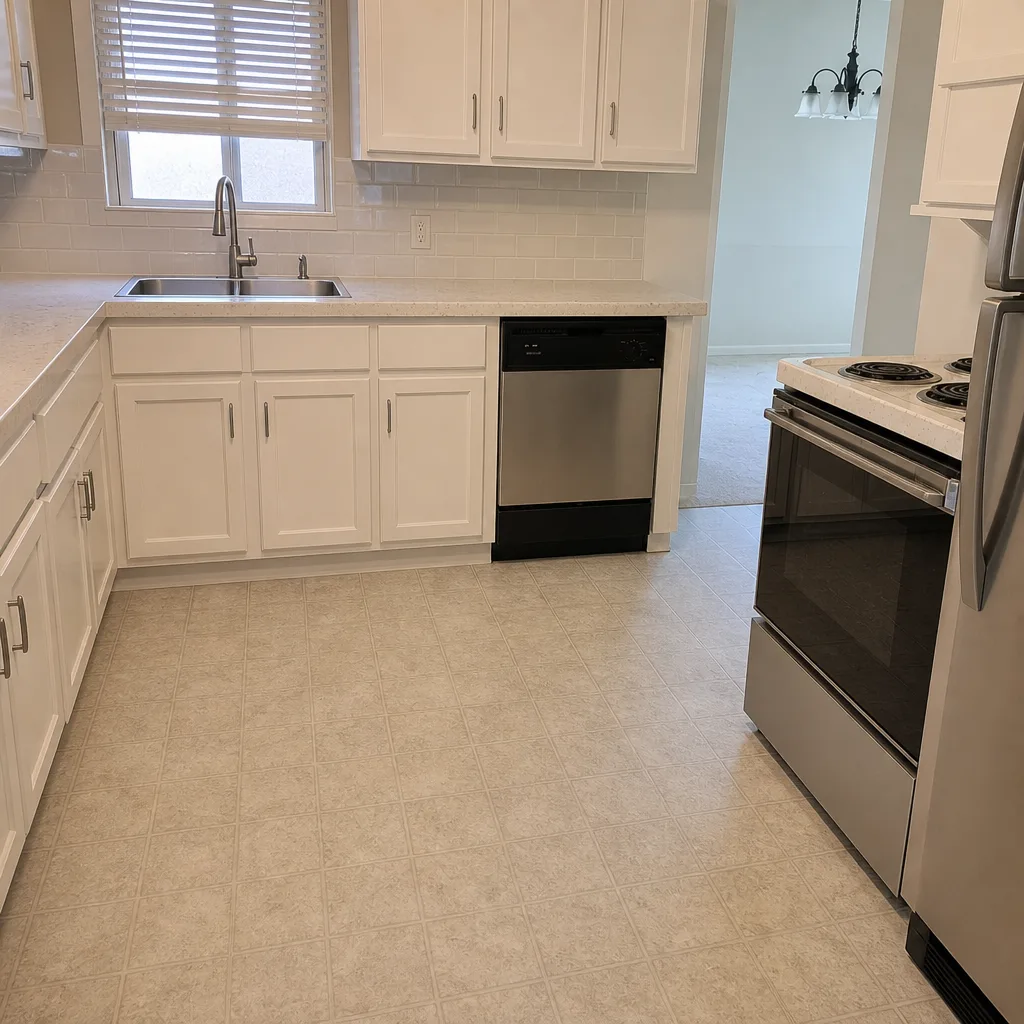
See the difference
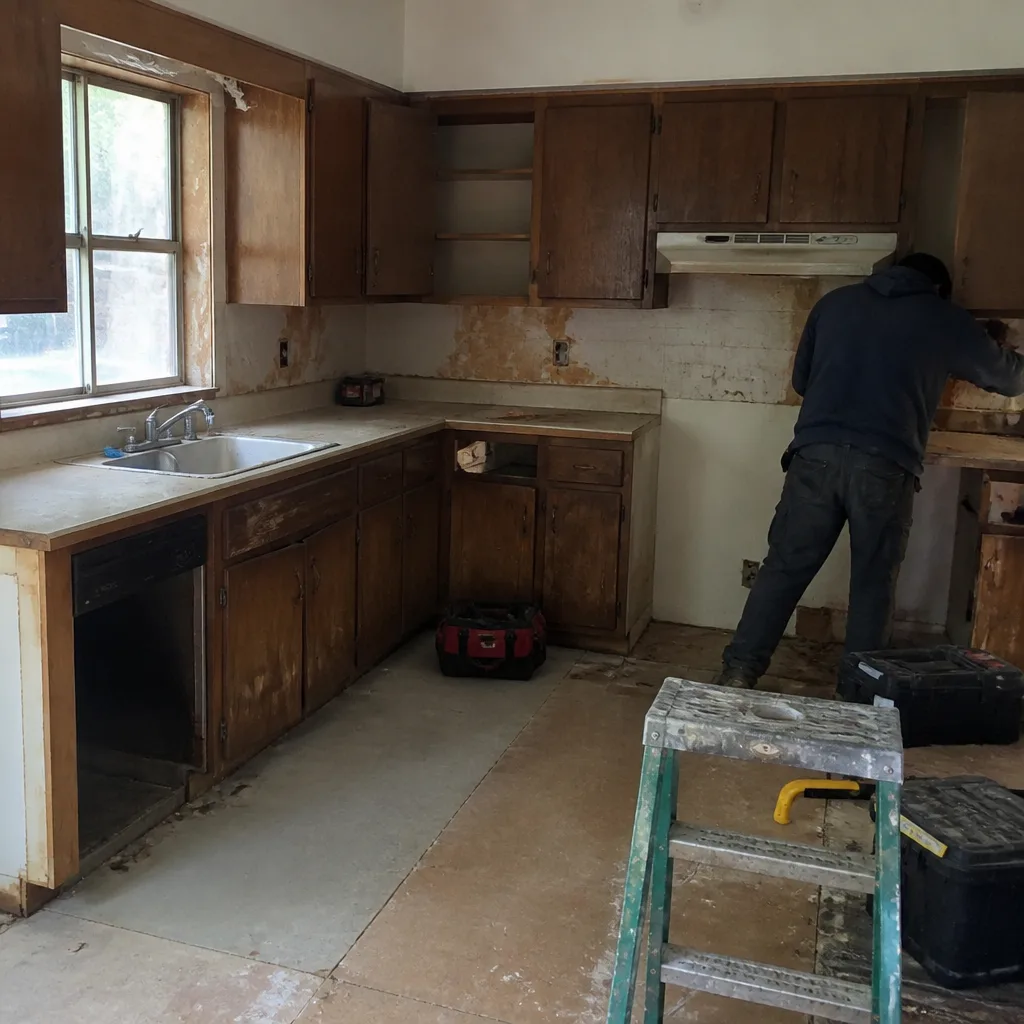 Before
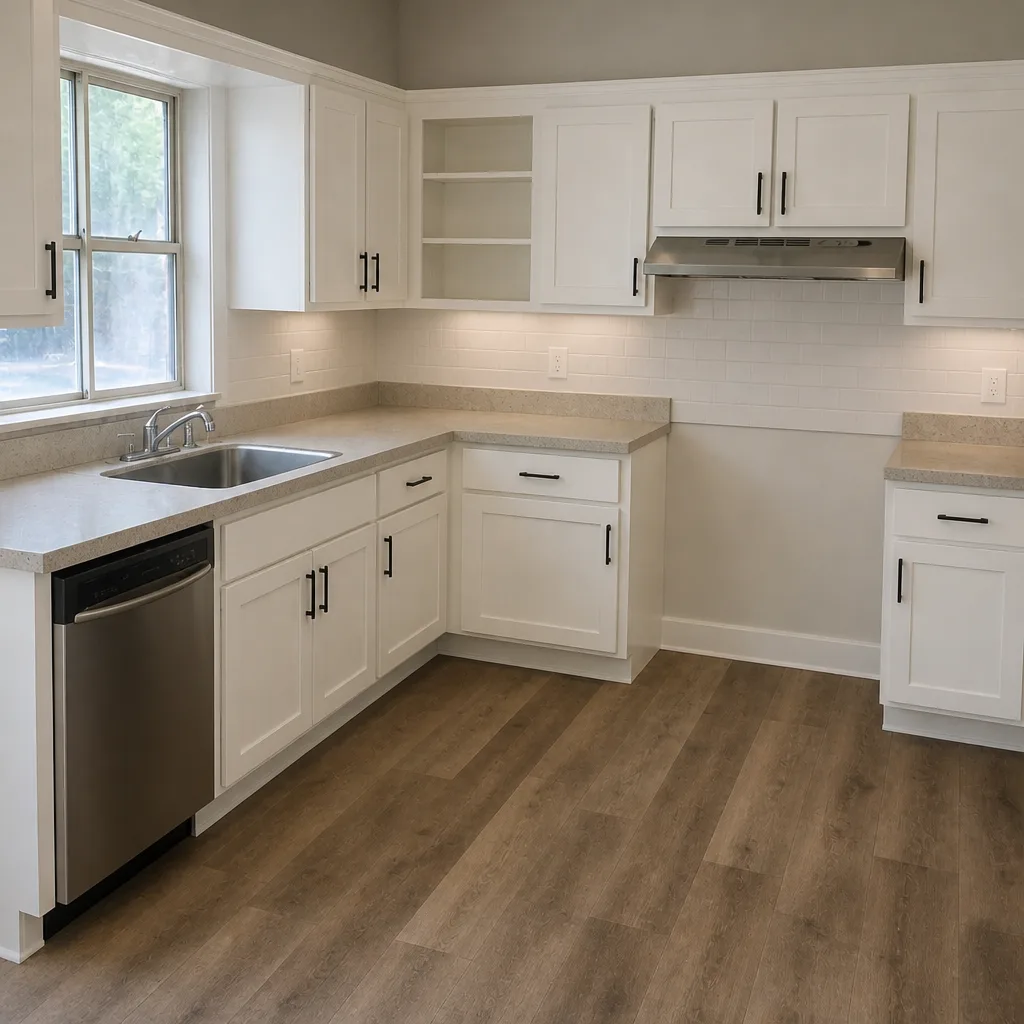 After
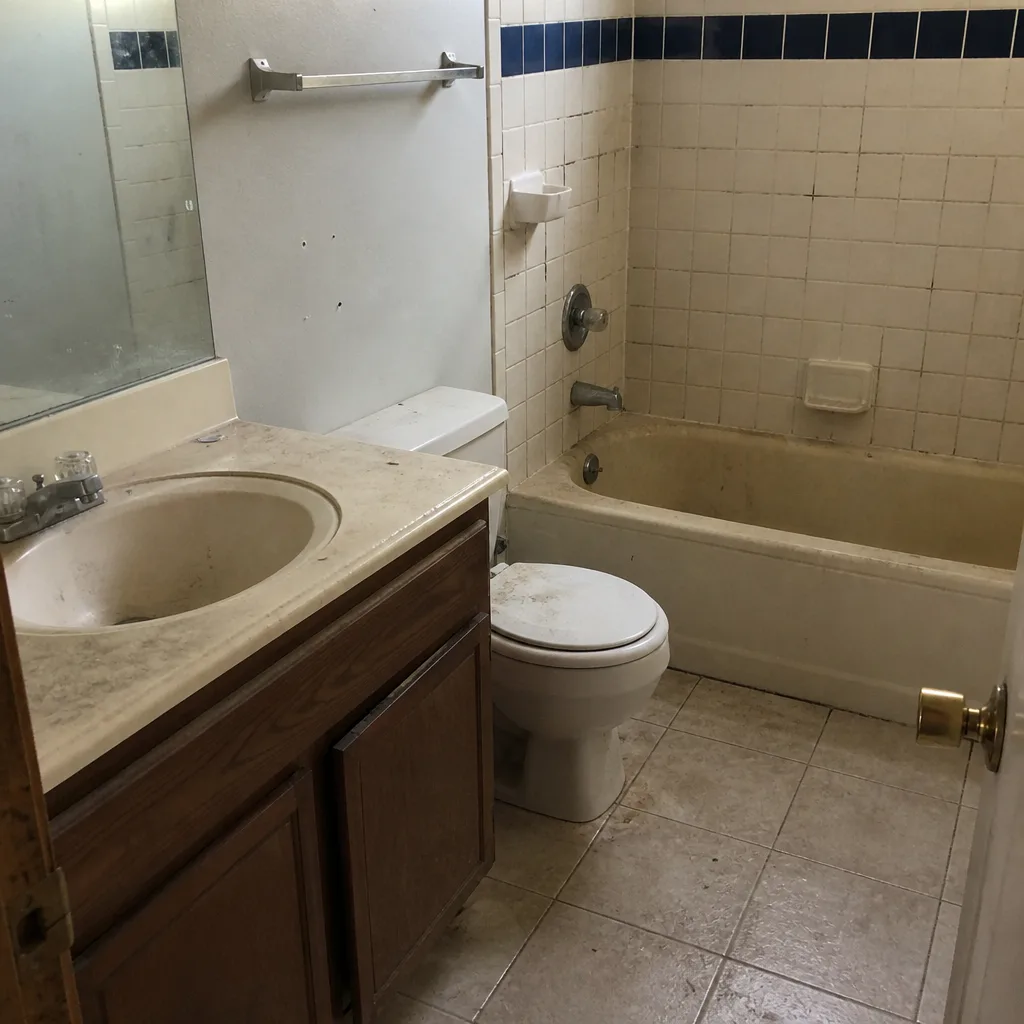 Before
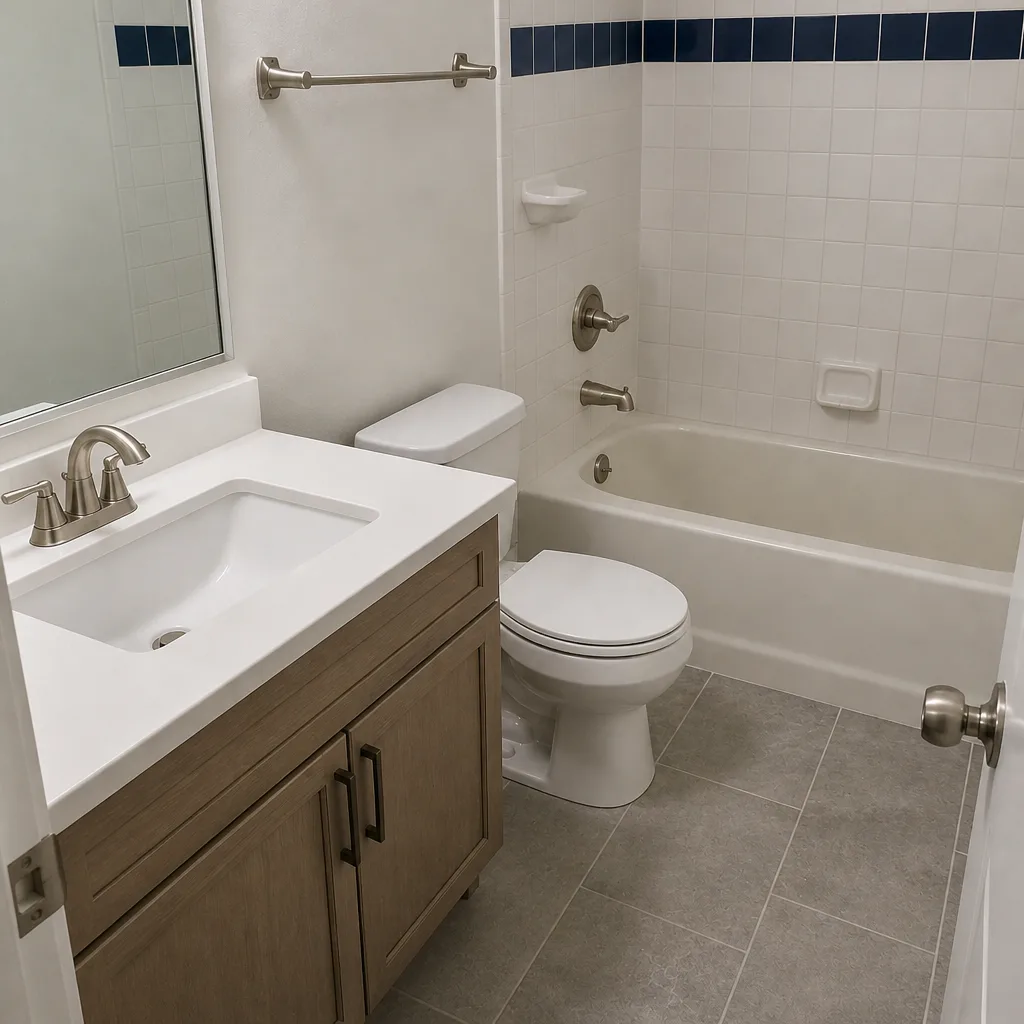 After
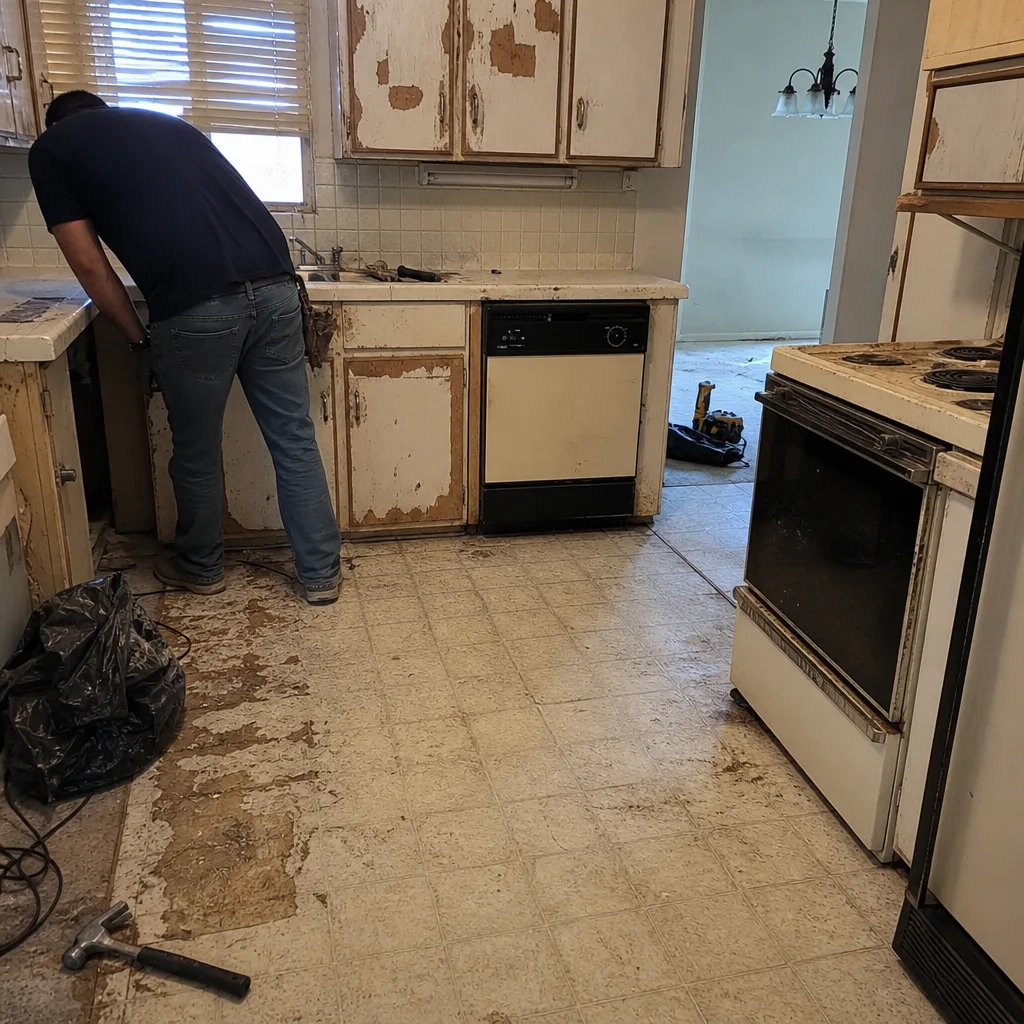 Before
 After
Replacement Cost & What’s Included
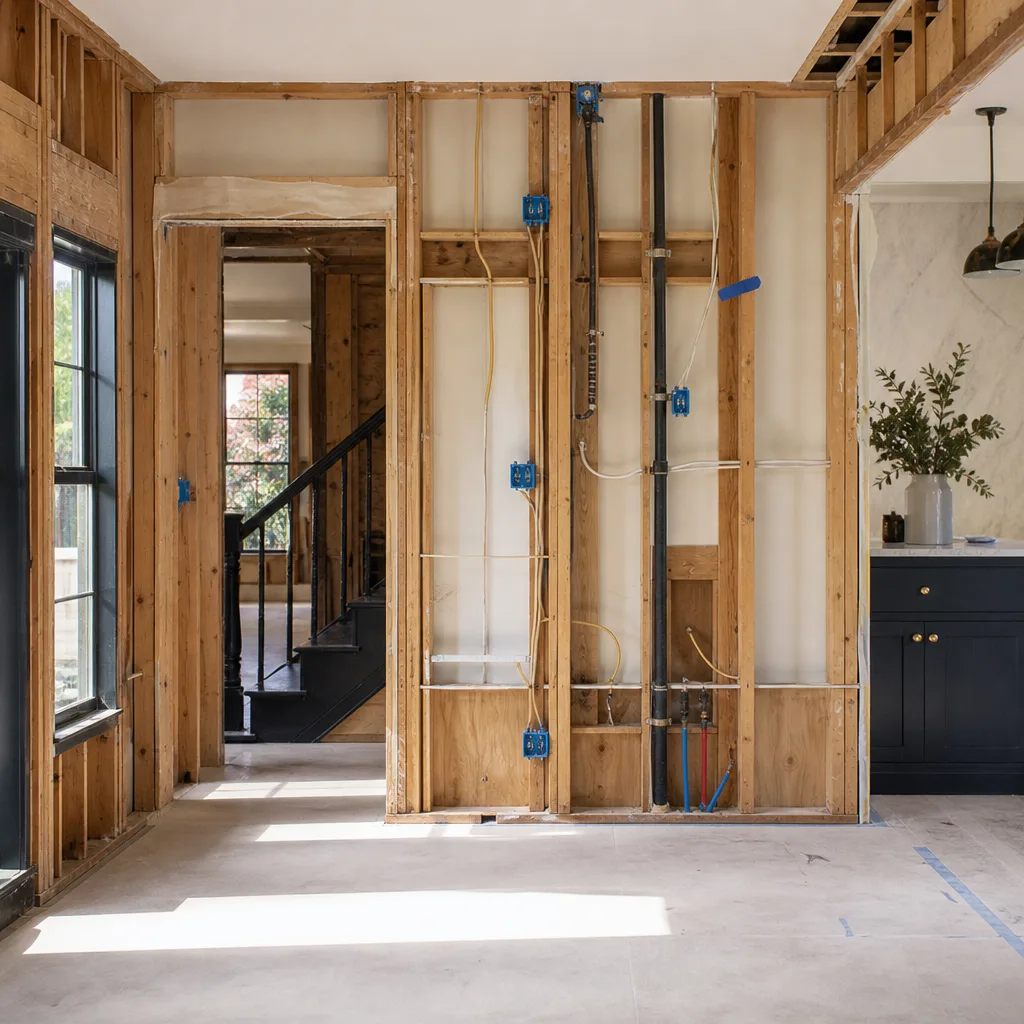
For a home addition in Paradise, the all-in range for the structure, framing, foundation, electrical, plumbing, and James Hardie exterior runs $45,000 to $130,000. An ADU (accessory dwelling unit) runs $90,000 to $220,000, and a garage conversion to living space with new James Hardie cladding typically falls in the $30,000 to $80,000 range. What drives the number: square footage, whether a slab or raised foundation is needed, how far the plumbing and electrical have to travel, and whether the addition needs its own bathroom or kitchenette.
The written price is itemized. You’ll see the framing, the James Hardie panels and trim, the flashing, the fasteners, the paint, and the labor line by line. Parts and labor are never bundled into one mystery figure. Every repair and install carries the 365-Day Done Right Promise: if something fails within a year, we make it right, and there’s a free second visit if the repair doesn’t hold. We use material partners across the project, including James Hardie, KraftMaid, Cambria, and Silestone for the finishes inside.
DIY or Call Us?
You can safely check a lot of this yourself. Walk the perimeter and look for caulk gaps, soft spots, peeling paint, and staining around windows and doors. Note which walls face south and west. Measure the exposed lap width of a panel and photograph the back ID if you can reach it. That information helps us quote a real price instead of a guess.
Where DIY goes wrong is the removal and reinstall. Fiber cement panels are heavy, and a panel removed without proper fall protection can drop on you. The bigger risk is what’s behind the siding: water-damaged sheathing, missing flashing, or a rotten sill plate that a homeowner won’t spot until the new panel is already nailed on. If the addition is two stories or the roofline is steep, stay off it. We do the removal, the inspection, and the reinstall safely, and we’ll tell you what we found before we quote the fix. Call (866) 977-0526 to schedule your free estimate in Paradise.
FAQs
James Hardie fiber cement siding typically lasts 30 to 50 years when installed correctly and painted on schedule, but in Nevada’s heat and UV, the paint finish is what fails first, usually at 8 to 12 years. After that, the panels are still structurally sound if the moisture behind them was managed. Call (866) 977-0526 for an exact quote on your addition.
Yes, if the damage is confined to a few panels or the caulk and paint are all that’s failed. A section repair usually runs far less than a full replacement. But if the fiber cement is soft, crumbling at the edge, or the sheathing behind it is wet, a repair won’t fix the underlying problem. Call (866) 977-0526 for a free estimate, and we’ll tell you which one you’re facing.
A garage conversion runs 6 to 10 weeks; a full addition 8 to 16 weeks; a detached ADU 12 to 24 weeks, depending on permits and inspection timelines in Paradise. The written price and schedule are confirmed before work begins, and your arrival time is confirmed the same way. Call (866) 977-0526 to get your project scoped.
We order through authorized James Hardie distributors, so the panels and trim come with the manufacturer’s backing and match the product line you already have on the house. We don’t keep parts on a truck or in a warehouse; the material is ordered to your job and delivered on schedule. Call (866) 977-0526 to talk through the specs for your addition.
Written by the team at Sawyer Remodeling Paradise, serving Paradise and nearby areas.