Last updated November 17, 2026







Free written scope consultation - allowances, timeline, and change-order rules on paper before a single trade is scheduled
DIY vs Professional Home Renovation: What’s Safe to Do Yourself
In Clark County, an unpermitted bathroom remodel doesn’t just risk a fine. It can legally stall a home sale, or force a full tear-out at the buyer’s demand after their inspector flags work that never passed. Most DIY guides hand you a skill checklist – can you tile, can you wire, can you hang a cabinet – and skip the part that actually matters in Nevada: what the permit system will let you pull yourself, and what unpermitted work does to your resale value in a market where county inspections have gotten noticeably sharper. This guide draws the legal line, not just the skill line, so you know which projects in Paradise and across the valley you can safely take on and which ones will cost you far more down the road than a contractor would have charged up front.
Quick Answer
Non-structural, cosmetic work – painting, cabinet hardware, landscaping, freestanding shelving – is genuinely safe for most homeowners to do themselves in Clark County. Anything that touches electrical, plumbing, gas, structural framing, or waterproofing in a wet area almost always requires a licensed contractor and a permit, and doing it unpermitted can void a sale or force a tear-out when you resell. The dividing line in Nevada isn’t your skill level – it’s what the county will legally let you pull and what an inspector will pass.
Styles & brands we work with
- Kitchen remodeling
- Bathroom remodeling
- Home additions & ADU
- Roofing
- Windows & doors
- Driveway & pavers
- Fence
Table of Contents
- Where Clark County Draws the Permit Line
- The Resale Liability Nobody Talks About
- Tasks That Look Simple But Carry Nevada-Specific Risk
- Where DIY Genuinely Saves Money
- How to Get a Written Scope Before You Decide
- Why Older Sunrise Manor Homes Need Extra Caution
- DIY vs Professional: Real Cost Comparison
- Common Mistakes to Avoid
Where Clark County Draws the Permit Line
Clark County’s building department treats a homeowner’s legal right to pull a permit narrowly, and the line isn’t always intuitive. The county allows a homeowner who actually lives in the home to pull what’s called an owner-builder permit for certain improvements, but that permission comes with real limits: the home has to be your primary residence, you can’t rent it out or flip it within a set window, and the work still has to pass the same inspections a licensed contractor’s would. What usually trips people up is which trades fall inside those limits.
Here’s how the permit picture typically breaks down in the valley:
- Cosmetic work with no trade involvement – interior paint, trim, cabinet hardware, flooring replacement over an intact subfloor – generally requires no permit and no contractor.
- Electrical, plumbing, and gas work – new circuits, moving a drain, running a gas line to an outdoor kitchen – requires a licensed trade professional in almost every case, permit or not.
- Structural changes – removing a wall, adding an opening, reframing – requires engineered plans and a licensed contractor, full stop.
- Wet-area waterproofing – shower pans, tile surrounds, wet-room floors – falls under plumbing and building code because a failed waterproofing job causes hidden damage that inspection is meant to catch.
When in doubt, call the county before you swing a hammer. A five-minute phone call to the building department costs nothing; a failed inspection after you’ve already tiled costs thousands. In our experience working across Paradise and the surrounding valley, the homeowners who get burned are rarely the ones who skipped a permit on purpose – they’re the ones who assumed a project didn’t need one. If you’d rather have a pro map the permit scope before any work begins, a general contractor in Sunrise Manor or anywhere in the valley can walk you through exactly what needs pulling and what doesn’t.
The Resale Liability Nobody Talks About
Here’s the part that costs Clark County homeowners the most money, and it almost never appears in a DIY guide: unpermitted work can kill a sale. When a buyer’s inspector flags a remodeled bathroom with no permit record on file, the lender can refuse to fund the loan until the work is either retroactively permitted and inspected or torn out. In a market as active as the Vegas valley, buyers and their agents have gotten aggressive about pulling permit history – they know unpermitted work is common, so they check.
What that looks like in practice:
- Retroactive permitting is expensive. To legalize work that was done without a permit, you often have to open walls so the inspector can see what’s behind them, which means re-doing finished surfaces.
- Full tear-out is the worst case. If the inspector can’t verify the work meets code, the buyer can demand it be removed and redone – at your cost, on their timeline, or the sale falls through.
- Disclosure obligations follow you. In Nevada, sellers have disclosure duties around known defects; unpermitted work you’re aware of is a liability that can surface years after you thought the project was behind you.
We’ve seen this play out on homes in Paradise and neighboring areas where a previous owner’s weekend bathroom project turned into a four-figure problem at the closing table. The math almost always favors doing it right the first time. A licensed, permitted bathroom remodeling in Sunrise Manor project creates a paper trail that protects your resale value for as long as you own the home.
Tasks That Look Simple But Carry Nevada-Specific Risk
Some projects read as straightforward on a video and turn dangerous the moment you open a wall in a Clark County home. The valley’s housing stock varies wildly by age and neighborhood, and the risks are specific to what’s actually behind the drywall.
Electrical work in older homes
Plenty of homes built in the 1960s and 1970s across the valley – including stretches of Sunrise Manor – still have aluminum branch wiring. Aluminum wiring behaves differently than copper: it expands, contracts, and loosens at connections over time, which is a fire risk when you add load to a circuit or disturb a junction. Swapping a light fixture feels like a beginner project until you find aluminum behind the box. This is a hard stop for DIY. Electrical panel work, new circuits, and anything touching an older panel should go to a licensed electrician, every time.
Tile over unchecked subfloors on slab foundations
Most Paradise-area homes sit on slab foundations, and a slab doesn’t forgive a bad substrate. Laying tile over a floor that hasn’t been checked for cracks, moisture, or deflection is one of the most common DIY failures we see. The tile looks fine for a season, then cracks along grout lines or pops loose because the slab moved and the thin-set never had a chance. Before any tile goes down on a slab, the subfloor needs to be evaluated and prepped – and in a wet area, the waterproofing needs to be done right with the correct materials, like a Schluter edge trim and membrane system, not a paint-on shortcut.
None of this means you can’t learn to tile. It means the substrate and waterproofing underneath the tile are where the real skill and the real risk live, and that’s the part worth paying a professional for.
Where DIY Genuinely Saves Money
The good news: a meaningful chunk of what makes a home feel renovated doesn’t require a permit, a contractor, or a license. These are the projects where doing it yourself saves real money with zero legal or safety exposure:
- Interior painting. Walls, ceilings, trim – no permit, no trade license, and the difference in a room’s feel is immediate. This is the highest-return DIY project in any home.
- Cabinet hardware and refacing basics. New pulls and knobs on existing cabinets change a kitchen for under a hundred dollars in materials. Swapping doors on standard boxes is achievable for a careful DIYer.
- Landscaping and hardscape accents. Planting, mulch, edging, and small paver projects that don’t touch utilities or drainage are fair game. If you’re adding a patio, brands like Belgard and Techo-Bloc make modular systems that a confident homeowner can install on a properly prepped base.
- Non-structural shelving and storage. Closet systems, garage shelving anchored into studs, floating shelves in dry areas – all safe, all reversible.
- Cosmetic fixture swaps. Replacing a faucet or a light fixture where the existing wiring and plumbing are already correct is a reasonable DIY job for a careful homeowner. The moment you’re adding a circuit or moving a supply line, it stops being DIY.
These projects are where the DIY math genuinely works in your favor. They’re also the ones that don’t put your resale in jeopardy or your family at risk.
How to Get a Written Scope Before You Decide
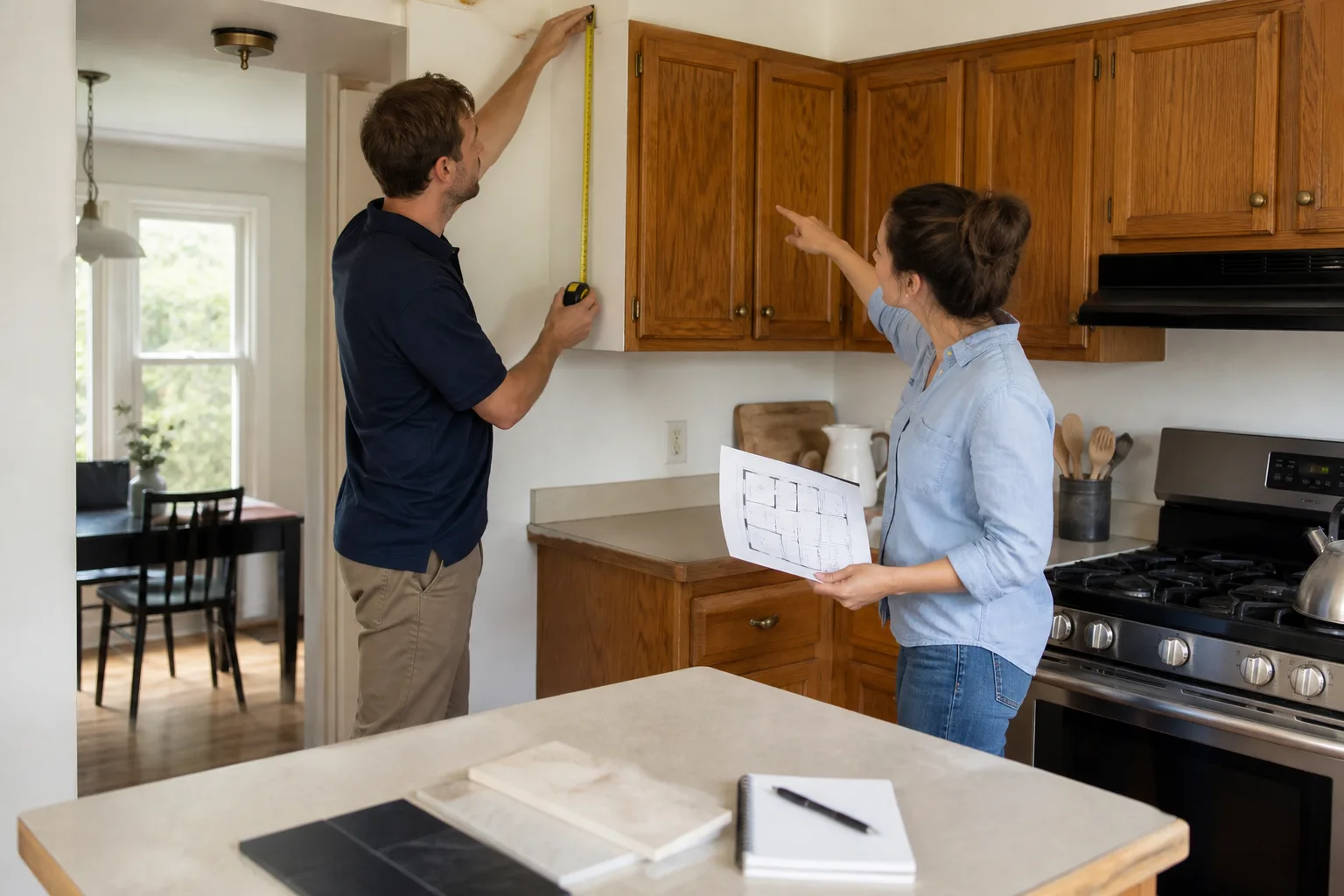
The single best thing you can do before deciding DIY versus professional is to get a written scope from a licensed contractor – even if you ultimately do the work yourself. A written scope turns a vague “we’ll remodel the bathroom for somewhere around fifteen to twenty-five grand” into line items you can actually compare against doing it yourself. It also tells you which parts of the project carry permit and trade requirements, which is information you can’t get from a video.
Here’s how to get a scope that’s actually useful, step by step:
- Ask for a written, line-item scope before any work starts. A real contractor will put in writing what’s included: demolition, rough-in, waterproofing, tile, fixtures, paint, cleanup. Vague scopes are where surprise invoices come from.
- Ask which line items require a permit and a licensed trade. This is the map of what you can and can’t DIY. Anything marked “electrical,” “plumbing,” or “structural” is off the DIY table.
- Ask for the material list by brand. A scope that names Cambria or Caesarstone for countertops, Kohler or Moen for fixtures, and GAF or James Hardie for exterior work tells you exactly what you’d be installing. If you’re comparing DIY, you can price those same materials yourself and see the real gap.
- Get the price in writing before the first tool comes out. A written price before work starts is the one thing that protects you from a number that changes at the invoice. At Sawyer Remodeling Paradise, that’s not an upgrade – it’s part of The Relay Visibility Guarantee on every project.
- Compare the full number, not just the labor line. DIY labor looks cheap until you add the tool rentals, the material waste from a first-time mistake, the permit legwork, and the value of your weekends.
Even if you walk away and do the safe parts yourself, you’ll leave with a real number to measure against. Free estimates and a written scope are how you compare apples to apples instead of guesses to guesses.
Why Older Sunrise Manor Homes Need Extra Caution
Sunrise Manor has a lot of homes built in the 1960s through the 1980s, and that age bracket brings specific risks that newer valley construction doesn’t. The aluminum wiring issue we mentioned is real in this stock. So are galvanized supply lines that are nearing the end of their life, original cast-iron drains under slab, and subfloors that have had decades of slab movement underneath them. A homeowner in a 1970s Sunrise Manor house who opens a wall to “just move an outlet” is opening a wall in a home where the wiring, plumbing, and framing all have history.
That doesn’t mean those homes aren’t worth renovating – they absolutely are, and a well-updated mid-century home in the valley is a strong investment. It means the DIY math shifts. In a newer build, a fixture swap is a fixture swap. In a 1975 Sunrise Manor home, the same swap can turn into a wiring discovery, and now you’re into a licensed electrician whether you planned to be or not. If you’re weighing a renovation on an older home, it’s worth having a kitchen remodeling in Sunrise Manor contractor or a general contractor walk the house first to identify what’s actually behind the walls before you commit to a DIY plan.
DIY vs Professional: Real Cost Comparison
Here’s a rough line-item comparison for the most common projects homeowners ask about in Paradise and across Clark County. These are ranges, not quotes – your actual number depends on the home, the materials, and the scope, which is exactly why a written scope matters.
| Project | Typical DIY cost | Typical professional range | Permit needed? |
|---|---|---|---|
| Interior paint (whole home) | $800-$1,800 in materials | $3,500-$7,000 | No |
| Cabinet hardware / refacing | $150-$600 | $1,200-$4,000 | No |
| Bathroom remodel (full) | Not recommended | $12,000-$35,000 | Yes |
| Kitchen remodel (full) | Not recommended | $25,000-$75,000 | Yes |
| Tile floor over slab (small area) | $400-$900 materials | $1,200-$3,000 | Sometimes |
| Electrical fixture swap (existing wiring) | $50-$200 | $150-$500 | No |
| New circuit / panel work | Not safe – licensed only | $600-$3,500 | Yes |
| Landscaping / small hardscape | $500-$3,000 materials | $2,000-$12,000 | Sometimes |
The pattern is clear. Where DIY saves real money – paint, hardware, landscaping – the gap between DIY and professional is meaningful and the risk is low. Where the professional gap is largest, the permit and trade requirements are also largest, and DIY stops being an option. To see how whole-home projects scope out when a professional is involved, our Sawyer Remodeling Paradise home page lays out the full range of work we handle.
Common Mistakes to Avoid
- Assuming a project doesn’t need a permit. Homeowners routinely skip permits on bathroom and electrical work because a video made it look like a weekend job. In Clark County, unpermitted work is the single biggest resale liability we see – check with the county before you start, not after.
- Opening a wall without knowing what’s behind it. In older Sunrise Manor homes, that wall might have aluminum wiring or a galvanized line ready to fail. Have the home’s systems assessed before you commit to a DIY plan.
- Tiling over an unchecked slab. Laying tile on a substrate that hasn’t been evaluated for cracks or deflection is the most common DIY failure in Paradise-area homes. The tile is the visible part; the substrate is the part that determines whether it lasts.
- Hiring the lowest bid without a written scope. A low verbal number is not a price. Ask for a written, line-item scope and a written price before work starts, and compare that against the actual scope of what you’re getting.
- Stretching one trade’s skills into another. A capable painter is not an electrician, and a confident DIY tiler is not a plumber. When a project crosses into a new trade, that’s when you call someone who does it every day.
- Doing cosmetic work over a problem. Painting over water damage or covering a soft subfloor hides the issue instead of fixing it, and it surfaces again when a buyer’s inspector finds it. Fix first, finish second.
- Forgetting the resale paper trail. Permits and inspection records are the receipts that protect your home value. A renovation with no paper trail is a liability the next buyer can use against you.
See the difference
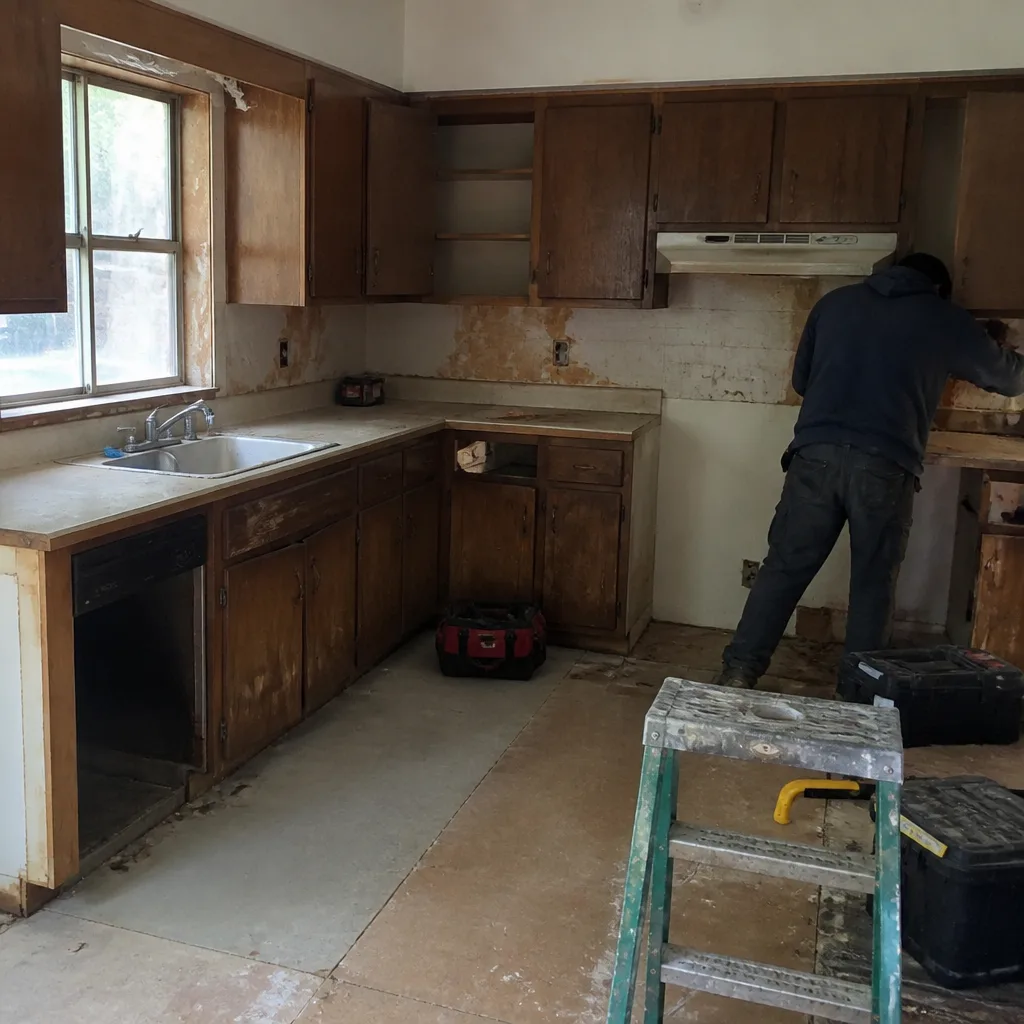 Before
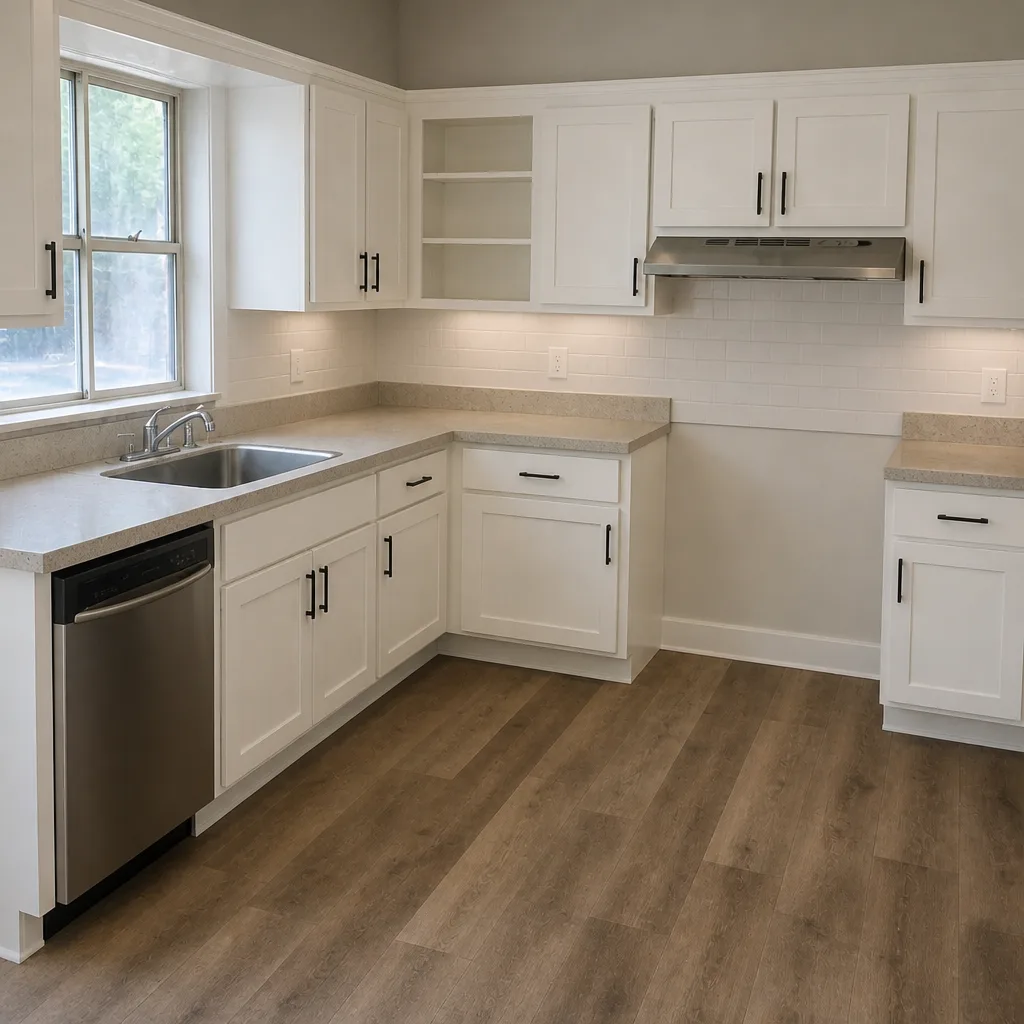 After
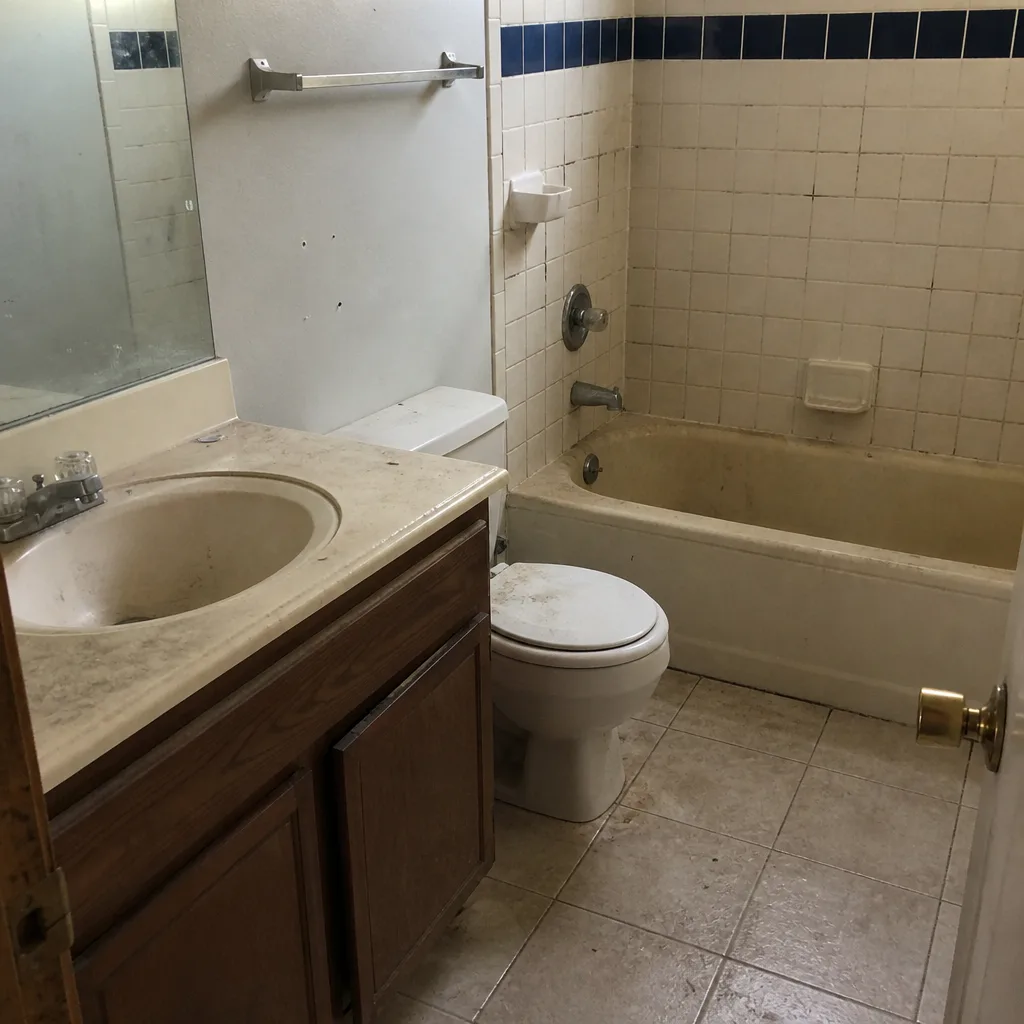 Before
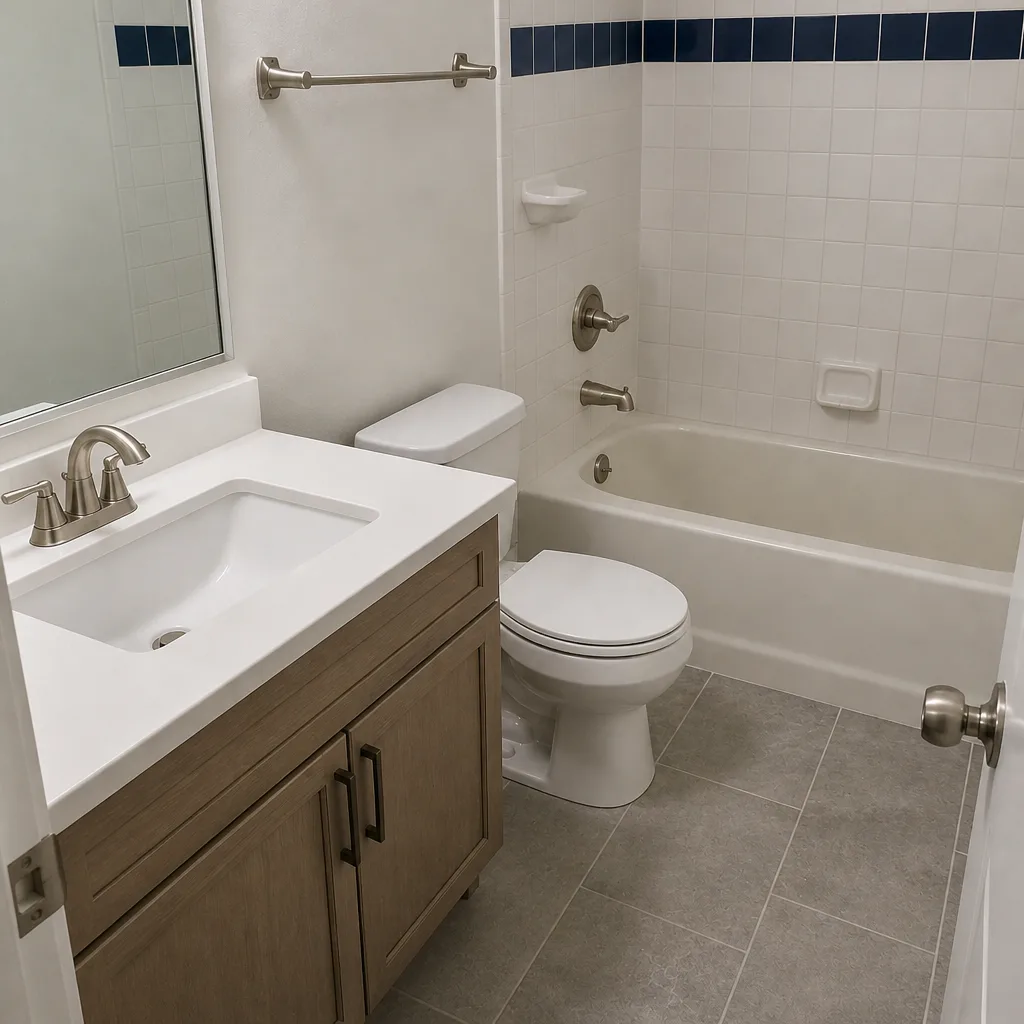 After
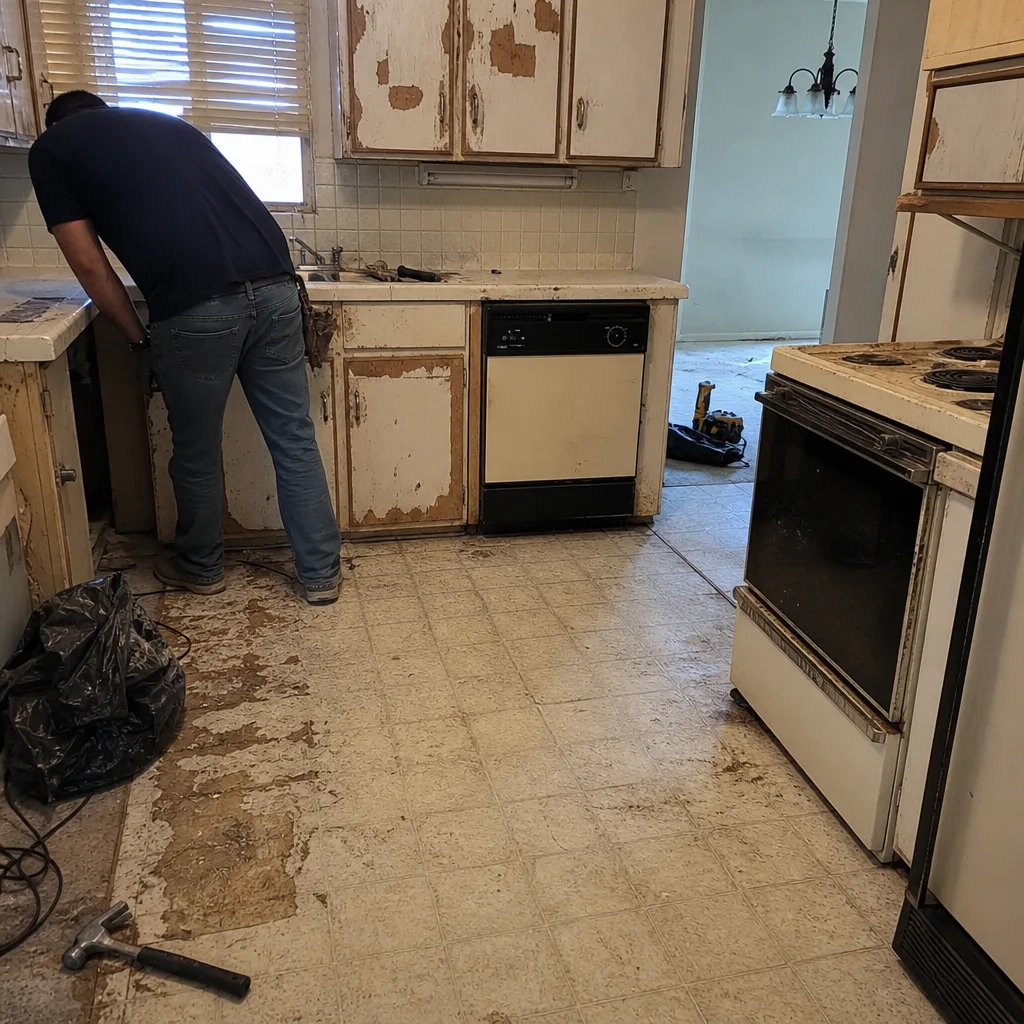 Before
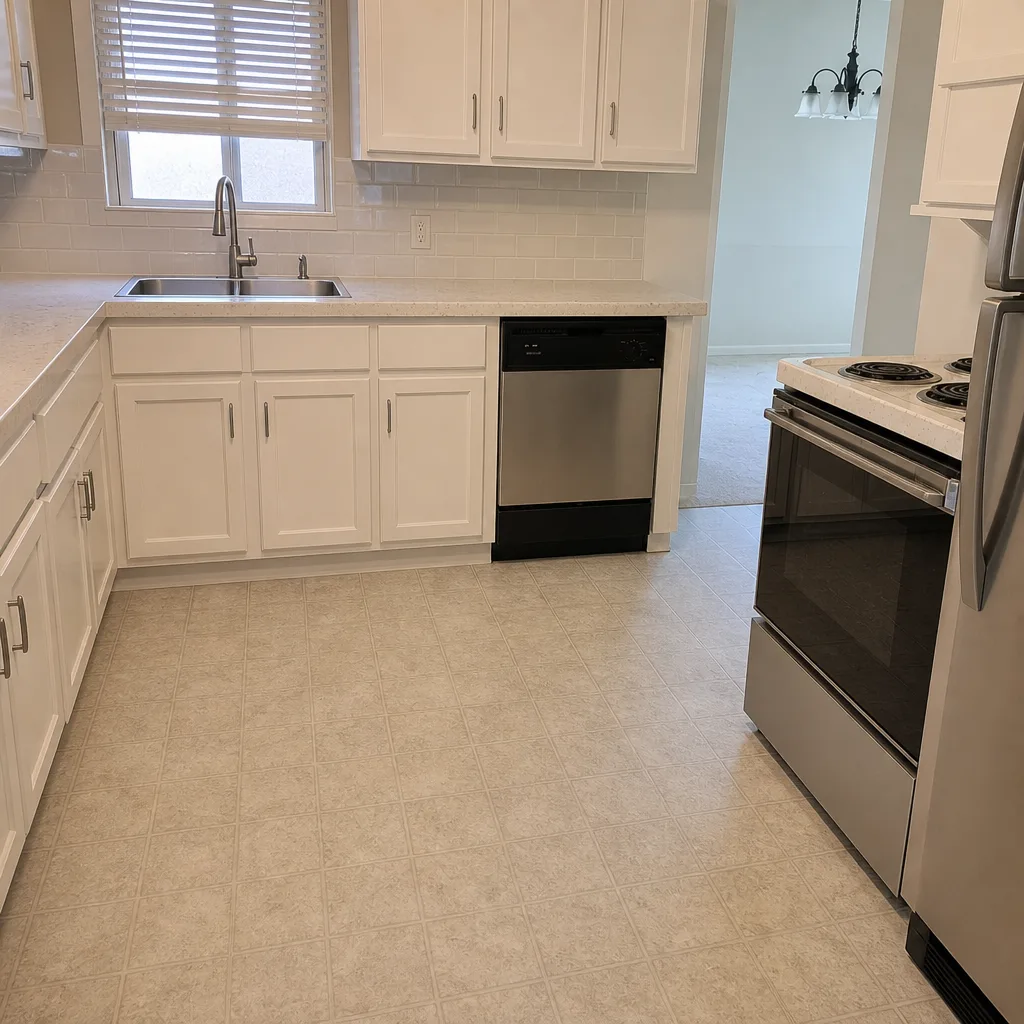 After
When to Call a Professional
Call a licensed professional when the project touches electrical, plumbing, gas, structural framing, or waterproofing in a wet area – in Clark County, those are permit-and-trade territory, and doing them unpermitted puts your resale at risk. Call us when you’re weighing a full bathroom or kitchen remodel and want a written scope before you decide anything. Call when you’re in an older home and don’t know what’s behind the walls. And call when the DIY math stops working because the project has crossed into a second trade. Sawyer Remodeling Paradise offers free estimates in Paradise – call (866) 977-0526 to get a written price and a clear scope before the first tool comes out. Our technicians have up to 21 years of experience, every project runs under The Relay Visibility Guarantee, and the price you approve is the price on the invoice.
Frequently Asked Questions

Only in narrow cases – an owner-builder permit is limited to your primary residence, has restrictions on renting or flipping the home within a set window, and doesn’t exempt the work from the same inspections a licensed contractor’s job goes through. Electrical, plumbing, and structural portions of a bathroom remodel require a licensed trade regardless. The safer move is to have a licensed contractor pull the permit and handle the inspections so the work is fully legal and documented for resale. Call (866) 977-0526 for a free estimate and a written scope – estimates are free.
An unpermitted remodel can stall or kill a sale. When the buyer’s inspector flags a remodeled area with no permit record, the lender can withhold funds until the work is retroactively permitted and inspected or removed – and retroactive permitting often means opening walls to expose what’s behind them. Full tear-out at the buyer’s demand is the worst case. Getting the permit up front is far cheaper than legalizing work after the fact.
No – and if the home has aluminum wiring, it’s a hard stop. Older properties in Sunrise Manor and other valley neighborhoods frequently have aluminum branch wiring that loosens and heats at connections, which is a genuine fire risk when you disturb a junction or add load to a circuit. Electrical panel work, new circuits, and anything touching an older panel belong to a licensed electrician. Call (866) 977-0526 if you want a pro to assess what’s behind the walls before you start.
You can install the tile, but the substrate and waterproofing underneath are where the real risk lives, and those aren’t beginner projects. A slab that hasn’t been evaluated for cracks, moisture, or deflection will cause tile to crack or pop loose within a season or two. Wet areas also need proper waterproofing systems – not paint-on shortcuts – to meet code and pass inspection. Have the substrate assessed before any tile goes down.
On cosmetic work, DIY saves real money: paint, cabinet hardware, and landscaping run thousands less when you do them yourself. On full bathroom and kitchen remodels, the gap between DIY and professional is in the same range as the permit and trade requirements, which makes DIY impractical. A full bathroom remodel typically runs $12,000-$35,000 professionally, and a kitchen $25,000-$75,000 – get a written scope to compare against your own DIY numbers. Call (866) 977-0526 for an exact quote – estimates are free.
Ask any licensed contractor for a written, line-item scope and a written price before work starts. A real scope lists what’s included – demolition, rough-in, waterproofing, tile, fixtures, paint, cleanup – by brand where materials are named, and it flags which line items require permits and licensed trades. That flagging is your DIY map. Use it to price the safe parts yourself and hire out the rest. Call (866) 977-0526 to schedule a free estimate and get a written scope in hand.
The Bottom Line
The DIY-versus-professional question in Clark County isn’t about your skill level – it’s about what Nevada’s permit system will legally let you pull, and what an unpermitted remodel does to your resale value in the valley. Paint, hardware, landscaping, and non-structural shelving are genuinely safe to do yourself and worth the savings. Anything touching electrical, plumbing, gas, structure, or wet-area waterproofing is trade-and-permit territory, and in older Paradise and Sunrise Manor homes the risk is higher because of what’s behind the walls. Get a written scope before you decide, so you’re comparing real numbers, not guesses. That’s how you protect your home, your budget, and your resale – whether you do the work yourself or hire it out.
When you’re ready to put real numbers on the table, call Sawyer Remodeling Paradise at (866) 977-0526 for a free estimate. You’ll get a written scope, a written price before any work starts, a live arrival time, and photo updates before and after – every job, under The Relay Visibility Guarantee. Background-checked, uniformed technicians, material selections from proven brands like Cambria, Kohler, and GAF, and the 365-Day Done Right Promise backing every project. We’re here to help you make the right call, even if the right call is to do it yourself.
Written by the team at Sawyer Remodeling Paradise.