


Free written scope consultation - allowances, timeline, and change-order rules on paper before a single trade is scheduled
Tamko Fence Installation: The Paradise Owner’s Guide
Tamko fence installation in Paradise runs $3,500 – $9,000 installed, depending on linear footage, gate count, and the post spacing your yard allows. That’s the full job: materials, digging, concrete footings, set posts, panels, and a gate that actually latches. Most Paradise homeowners land somewhere in the middle of that range for a standard side-yard and backyard run, and the written price arrives before anyone picks up a shovel.
Here’s how owners usually find out something’s wrong. The gate starts dragging on the ground before it swings. A post leans a few degrees after a windy week off the ridge. Or a panel blows loose in a gust and the neighbor’s dog makes a break for it. Sometimes it’s quieter than that: a board splits along a grain line, or the bottom rail rots where it meets the soil after a wet spring. In Paradise, where summer sun bakes the wood and winter storms soak it, fence problems show up fast and they don’t fix themselves.
Which Tamko Models This Applies To
Tamko makes the materials, not the fence assembly, so the “model” question really has two parts: which Tamko product line you have, and what your fence’s framing looks like once it’s installed. Tamko’s exterior line covers railing, decking, and fence components that come in standard nominal dimensions (typically 5/4 and 2-inch thicknesses for boards, with 4×4 or 6×6 post stock). If you’re replacing a board or panel, measure thickness and width with a tape, not by eye; a 1-inch-thick board and a 5/4 board are close enough that a mismatched piece will look wrong and fit worse.
On the OEM-versus-aftermarket decision: Tamko components are worth matching when the piece is visible and its finish needs to agree with what’s already there. For hidden framing, a quality aftermarket board at the correct dimension does the same structural job. On a fence, that distinction lives mostly in the rails and pickets. Posts are posts. It’s the face of the fence that carries the brand’s look, and that’s where a mismatched substitute gets noticed from the street.
The catch most owners hit: nominal dimensions are not actual dimensions. A “2×4” rail is closer to 1.5×3.5, and buying a true 2×4 to replace it leaves a swell at the joint you can feel with a hand. Match actual measurements, and confirm post spacing before you assume a standard 8-foot panel will fit; Paradise lots aren’t all platted to the same setbacks, and older side yards often run narrower.
Styles & brands we work with
- Kitchen remodeling
- Bathroom remodeling
- Home additions & ADU
- Roofing
- Windows & doors
- Driveway & pavers
- Fence
Signs Your Tamko Fence Installation Is Failing
- Gate sags and drags on the ground. The hinge-side post has shifted or the gate has settled out of square. Wood expands and contracts with the seasons, and a gate that opened cleanly in April can scrape by July.
- Leaning posts after wind or wet ground. Footings that were set shallow, or set in soil that holds water, lose their grip. In Paradise, a post set too close to a drainage path is a post that will lean within a season or two.
- Boards splitting, warping, or cupping. Sun exposure dries one face faster than the other, and the wood bows toward the shade. Cupping is a wood-stock problem as much as an install problem, and it’s the most common complaint we hear.
- Loose rails and rattling panels. Fasteners back out when wood moves. A rail that was tight at install loosens as the wood shrinks around the nail or screw, and once one lets go, the panel rocks and the rest follow.
- Rot at the soil line and around the bottom rail. This is the one that kills fences. Water wicks up the end grain of a post, and a post with no cap and no clearance from the ground rots from the inside out before anyone sees it coming.
See the difference
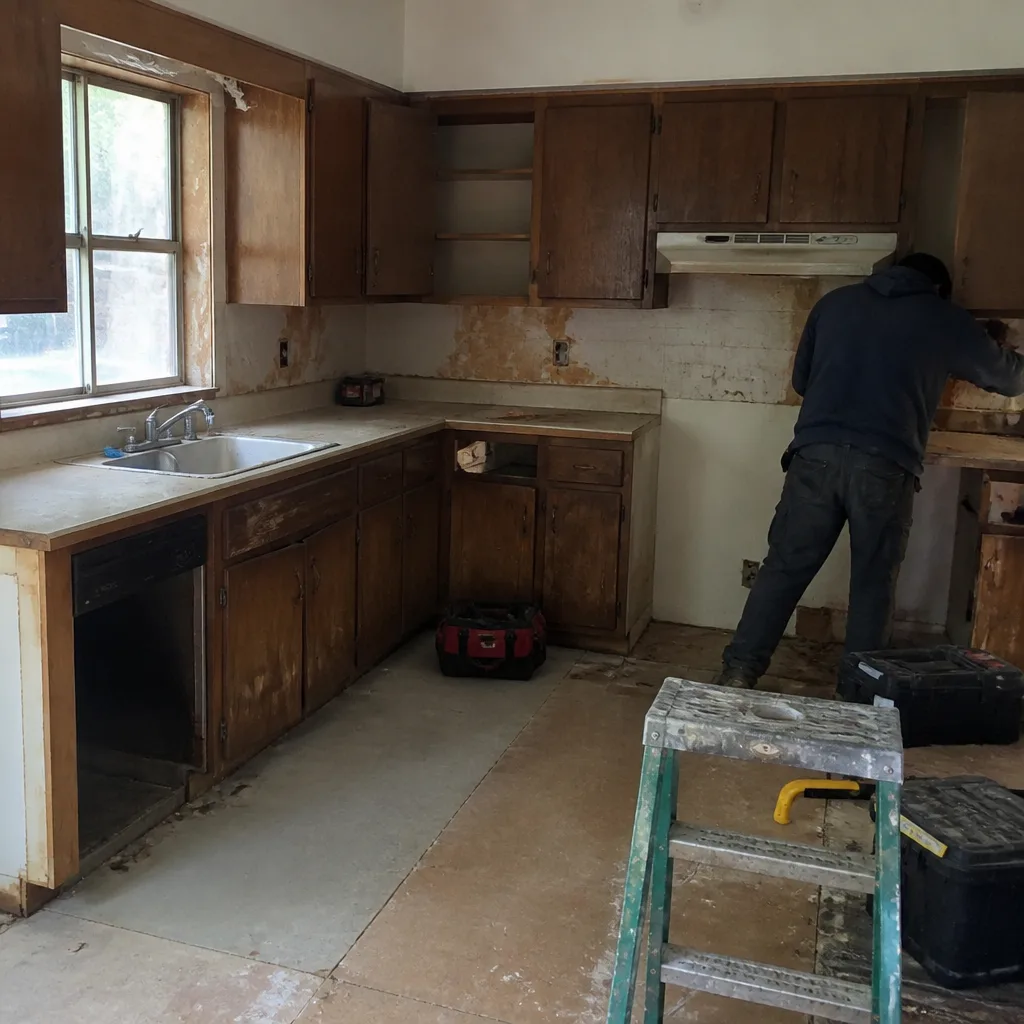 Before
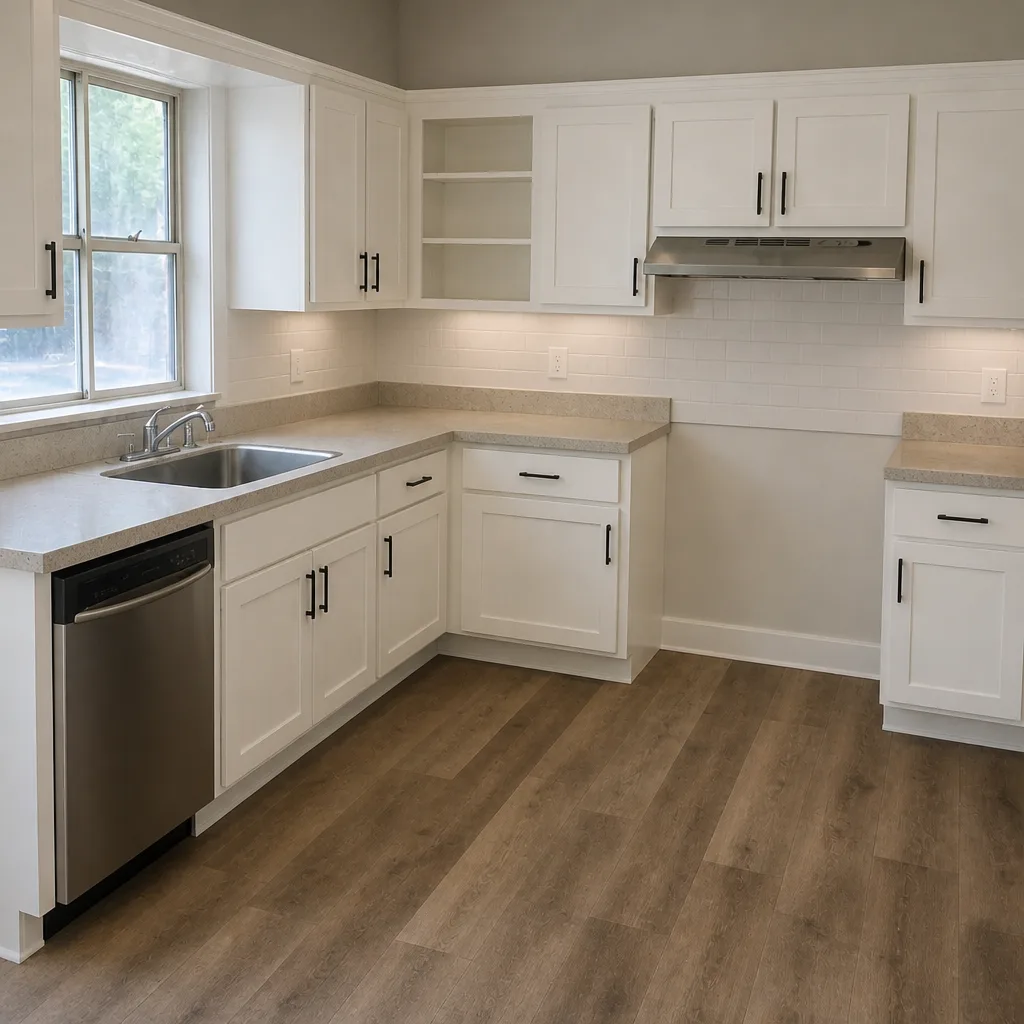 After
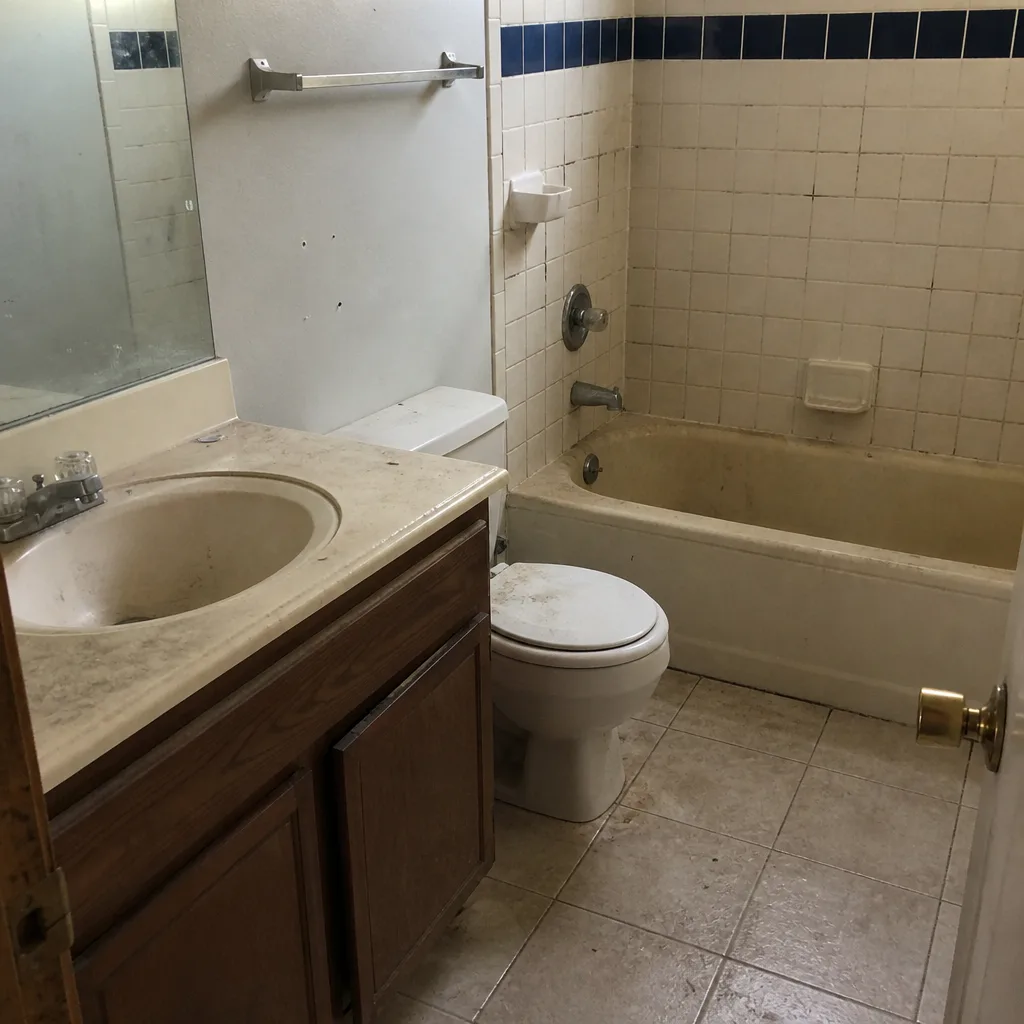 Before
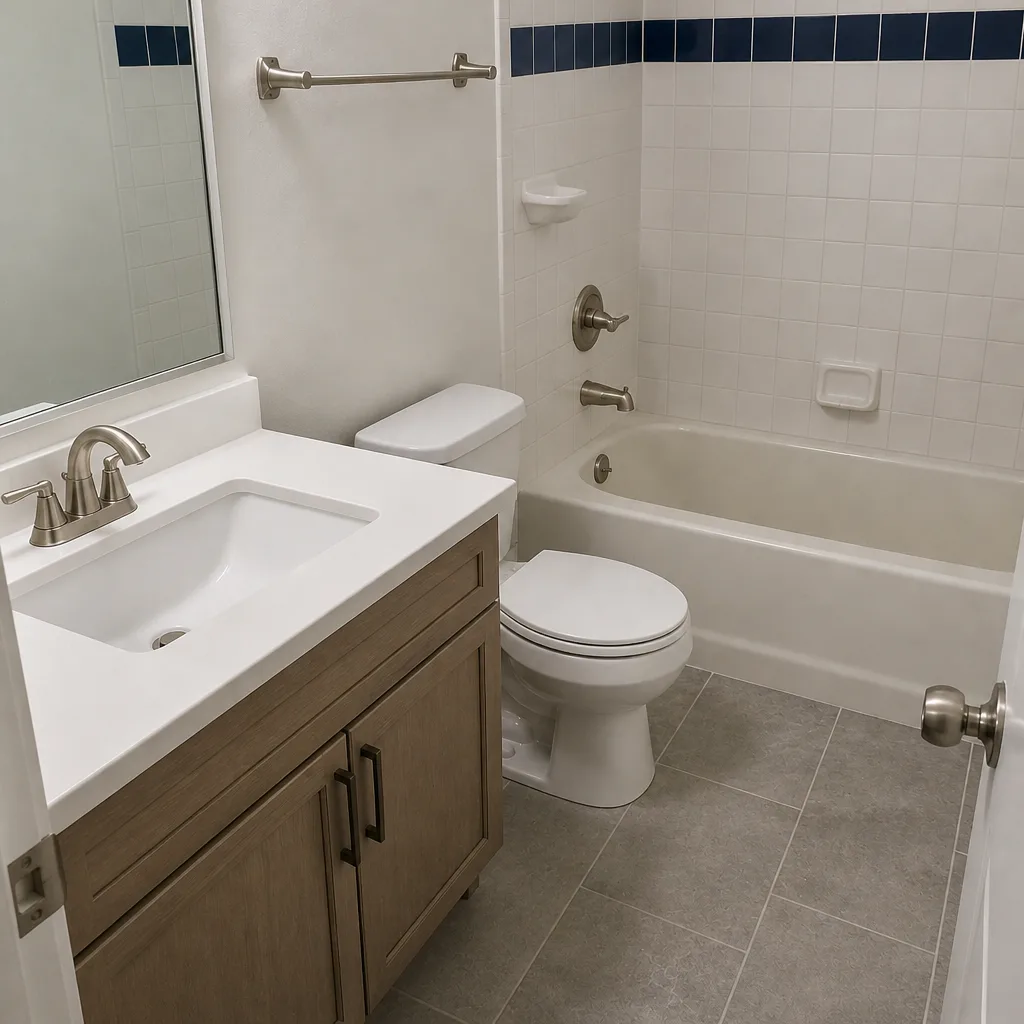 After
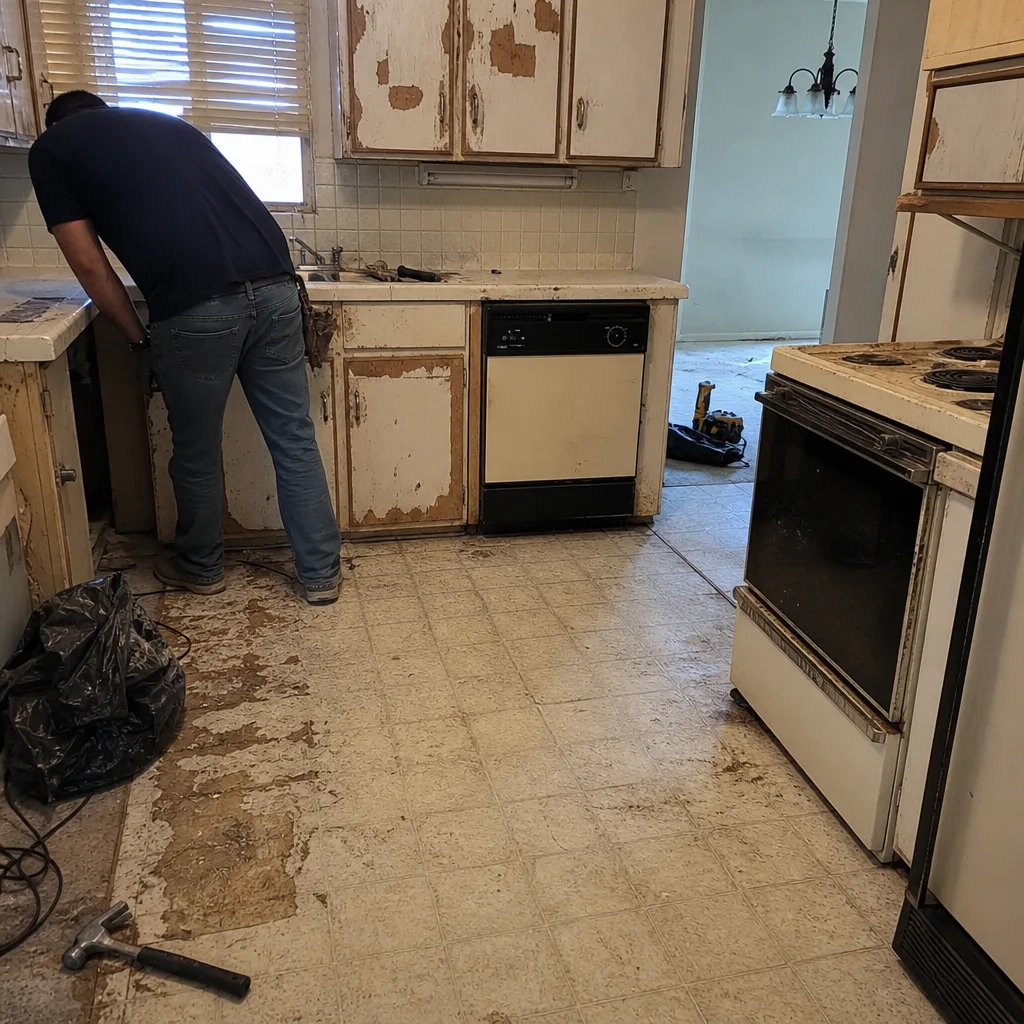 Before
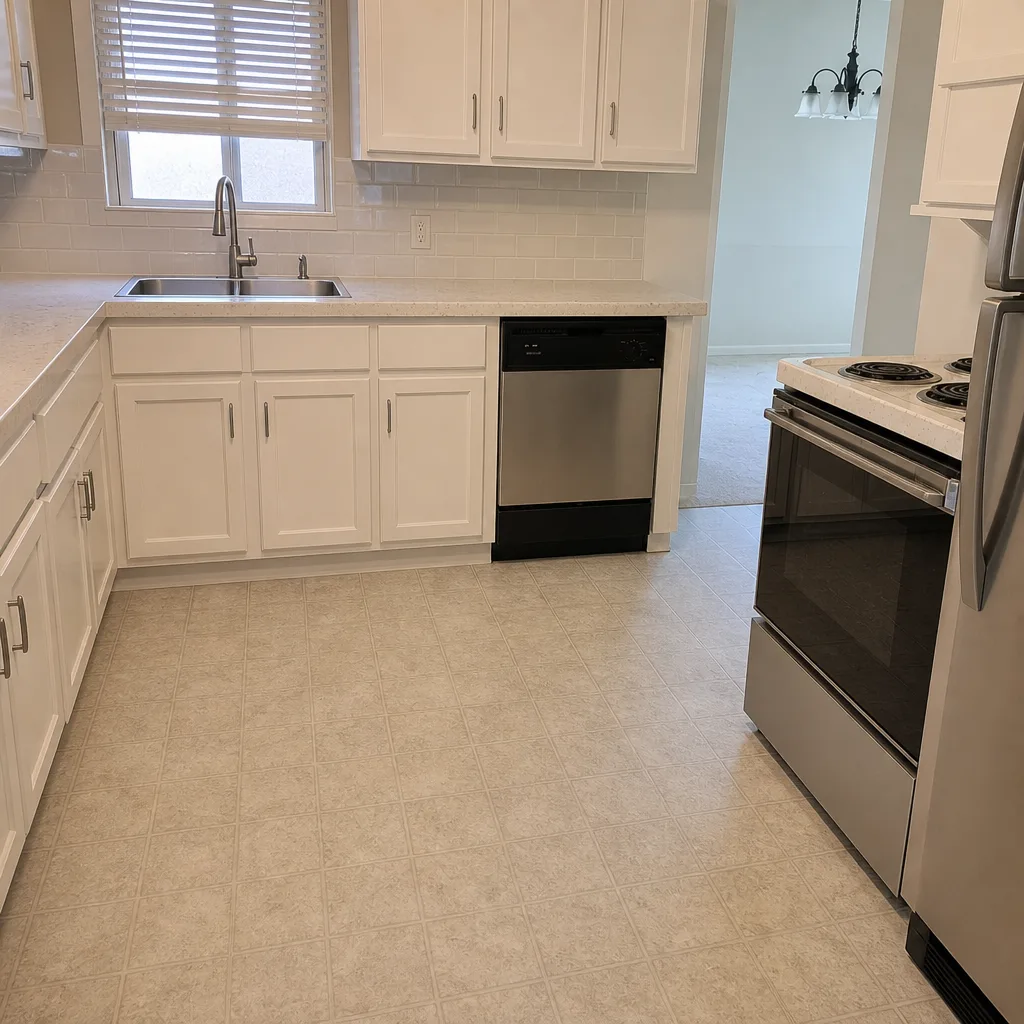 After
Replacement Cost & What’s Included
For Paradise, a Tamko fence installation runs $3,500 – $9,000. That’s the installed number, not a materials-only estimate, and it includes the parts and the labor together so you’re not piecing the quote apart. On a per-linear-foot basis, where you land depends on:
- Linear footage. The biggest lever. A short side-yard run sits near the bottom; a full backyard perimeter with a gate pushes toward the top.
- Post count and footing depth. More posts mean more digging, more concrete, and more time. Deep footings matter in Paradise’s soil, and we don’t shortcut them.
- Gate hardware. A self-closing latch and a gate frame that stays square cost more than a basic hasp. It’s hardware you’ll notice every day.
- Post caps and trim. The small pieces that keep water out of the end grain and finish the look. Cheap caps are a false economy here.
- Removal of the old fence. Tear-out and haul-away add to the run, and old fence comes down before anything new goes up.
You get the written price before any work starts, and the number on the invoice is the number you approved. Every install carries the 365-Day Done Right Promise: if it’s not done right, we make it right, backed in writing.
DIY or Call Us?
Some of this an owner can handle. Walking the fence line and marking the bad posts with a stake or flag is worth an afternoon. Checking for rot with a screwdriver by pressing into the base of each post is a fair DIY test: if the tool sinks in easily, the post is gone. Tightening a loose hinge or replacing a gate latch is a Saturday job for anyone with a drill.
Where it goes wrong is in the ground. Digging a footing to the right depth, setting a post plumb and keeping it plumb while the concrete cures, and spacing posts to match the panels are the parts that separate a fence that stands for years from one that leans by fall. It’s not a safety hazard like a high-tension spring, but it is heavy, it’s precise, and a fence set out of level is a fence you’ll be fixing again next spring. Set your stakes, then call (866) 977-0526 and let us take the digging and the measuring off your hands.
FAQs
How long does a Tamko fence last in Paradise? A properly installed Tamko fence typically lasts 10 to 15 years in this climate, and the wood itself will outlast a poorly set post by a wide margin. The sun and dry stretches here are hard on finish, so an annual inspection and a recoat every few years are what stretch the lifespan. Call (866) 977-0526 with your fence’s age and we’ll tell you what to expect.
Can it be repaired instead of replaced? Often, yes. If a handful of boards or one gate section has failed and the posts are still sound, a targeted repair costs a fraction of a full install. It’s when multiple posts are rotted or leaning that a full replacement makes more sense than patching a fence that’s already on its way out. Call (866) 977-0526 and we’ll walk the line with you and give you the honest call.
How long does the swap take? A typical Paradise side-yard and backyard run goes in over two to three days, weather permitting. That covers tear-out, footings, and the set-and-cure time concrete needs before panels go on. A small repair can be an afternoon. Call (866) 977-0526 for a written timeline with your estimate.
How do you source the Tamko part? We match the component by dimension and finish to what’s already on your fence, and we source from suppliers who carry the line or an exact-dimension equivalent. Where a true Tamko match isn’t available, we tell you before we order and lay out the aftermarket option side by side. Call (866) 977-0526 and we’ll confirm what your fence needs.
We’re an independent service provider, not affiliated with Tamko. We also work with KraftMaid, Cambria, and Silestone on the interior side of our remodeling work.
Call (866) 977-0526 for a free estimate on Tamko fence installation in Paradise. You’ll get a written price before any work starts, a live arrival time the day of, and photo updates before and after, so you know who’s coming and what it costs.
Written by the team at Sawyer Remodeling Paradise, serving Paradise and nearby areas.