Last updated November 17, 2026






Free written scope consultation - allowances, timeline, and change-order rules on paper before a single trade is scheduled
DIY vs Professional General Contractor: What’s Safe to Do Yourself
Here’s a number that surprises a lot of Paradise homeowners: the single biggest cost we get called in to fix isn’t a failed remodel. It’s the cleanup after one. In Nevada, unpermitted DIY work doesn’t just fail inspection. It can void your homeowner’s insurance coverage on a claim and force mandatory disclosure when you sell, and that disclosure follows the house. A buyer’s inspector finds an unpermitted bathroom addition, the deal stalls, and the fix eats the money you thought you saved by skipping the contractor. This guide draws a hard line between the projects any capable homeowner should tackle and the ones that create legal, structural, or insurance problems when done without a license. We’ll cover what Clark County actually requires a permit for, where DIY voids your coverage, how the owner-builder exemption works, and the real cost math on doing it wrong.
Quick Answer
Safe DIY work is cosmetic, removable, and doesn’t touch a permit, a structural system, or a water line: painting, tile on an existing floor, cabinet hardware, landscaping, and swapping a light fixture. Anything that requires a permit under Clark County code, or touches electrical, plumbing, gas, or HVAC, is professional territory. In Nevada, doing that licensed work yourself can void insurance coverage and force you to disclose it when you sell.
Styles & brands we work with
- Kitchen remodeling
- Bathroom remodeling
- Home additions & ADU
- Roofing
- Windows & doors
- Driveway & pavers
- Fence
Table of Contents
- Where Nevada Draws the Permit Line
- The Trades That Void Your Insurance in Nevada
- How to Legally Act as Your Own General Contractor
- The Real Cost Math: DIY Mistake vs. Hired Right
- Cosmetic Projects That Are Genuinely Safe DIY
- What Paradise Climate Does to DIY Work
- Common Mistakes to Avoid
- When to Call a Professional
Where Nevada Draws the Permit Line
Clark County code is clearer than most homeowners expect. The permit line isn’t about how hard the work feels. It’s about whether the work changes a system the county has to inspect for safety and resale. If a project requires a permit, the county wants a licensed contractor on the record, and that’s your signal to stop and hire.
Here’s the practical split for common Paradise home projects under Clark County code:
- No permit typically required: interior and exterior painting, replacing a faucet or showerhead, swapping cabinet hardware, installing a new light fixture in an existing socket, laying new flooring over a sound subfloor, landscaping and irrigation, installing a ceiling fan where a fixture already exists.
- Permit required: any new or moved electrical circuit, panel work, new or relocated plumbing lines, water heater replacement, HVAC changeouts, gas line work, structural changes like removing a wall, room additions, bathroom and kitchen remodels that move plumbing or electrical, window and door replacements that change the opening size, patio covers and shade structures.
What trips people up is the gray zone. Removing a “non-load-bearing” wall is the classic one. Half the walls people assume are cosmetic carry loads, and a structural engineer’s stamp isn’t optional once a permit is pulled. In our experience across Paradise, the projects homeowners most regret starting themselves are the ones that looked cosmetic on day one and turned structural by week two. If you’re planning a full General Contractor in Sunrise Manor style scope of work across multiple rooms, the permit sequence alone is a reason to bring in a pro. Permits get pulled, inspections get scheduled, and someone has to be on site to pass them.
The Trades That Void Your Insurance in Nevada
This is the part that costs homeowners the most and gets discussed the least. Electrical, plumbing, and HVAC work done without a license in Nevada can give your insurer grounds to deny a claim. Not just the claim tied to the work itself, but related damage. A DIY water heater install that leaks and floods your kitchen floor? The insurer can point to unpermitted plumbing work and walk away from the damage. Fire damage traced to a homeowner-installed circuit? Same story. The policy language varies, but the pattern is consistent across carriers.
The three trades where the risk is highest:
- Electrical. Any panel work, new circuit, or outlet added inside a wall. Fire losses are the most expensive claims and the most investigated. A missing GFCI in a Paradise bathroom or kitchen is one of the first things an adjuster flags.
- Plumbing. Water heater replacements, repiping, moving a drain. This is where DIY floods originate. A supply line done without a permit that fails two years later is a denied claim waiting to happen.
- HVAC. Changeouts and duct work. Paradise summers push systems hard, and a DIY install that fails in July can leave you without cooling and without insurance help for the damage.
Gas is in a category of its own. Any gas line work, including a new range or dryer hookup, belongs to a licensed professional, full stop. The safety risk is real and it’s not something to learn on. If your remodel plan touches any of these trades, that alone is the answer. If you’re heading toward a Bathroom Remodeling in Sunrise Manor scope, almost every project touches at least one of them.
How to Legally Act as Your Own General Contractor
Nevada does allow homeowners to act as their own general contractor under what’s commonly called the owner-builder exemption. It’s real, and it covers more than most people think. It lets you pull permits on your own primary residence without holding a contractor’s license, supervise your own subs, and manage the schedule yourself. What it doesn’t do is remove the accountability. You become the responsible party for the inspection record, the code compliance, and the insurance exposure.
Here’s how the process generally works if you go the owner-builder route:
- Confirm the property is your primary residence (the exemption is typically limited to owner-occupied homes, not investment properties).
- Apply for the permit in your own name with Clark County, submitting plans that match the scope.
- Hire licensed subs for any licensed trade, get their license numbers in writing, and keep copies of every contract and invoice.
- Schedule and pass every inspection yourself, in the right sequence. A missed framing inspection can mean opening a finished wall.
- Keep the final inspection record and the permits on file. You’ll need them at resale.
What the exemption covers is the licensing question, not the risk question. You’re still on the hook if a sub does unpermitted work or a job fails inspection. And if you sell within a set window, the owner-builder permits are disclosed to the buyer. In our experience, homeowners who go this route on a big scope in Paradise often end up wishing they’d hired a general contractor for the coordination alone. The trades, the inspections, and the schedule all have to line up, and getting that wrong costs more than the GC’s markup.
The Real Cost Math: DIY Mistake vs. Hired Right
The reason DIY-versus-hire is rarely a straightforward comparison is that the DIY cost only counts the work that goes right. The right comparison is the cost of doing it correctly the first time versus the cost of the mistake plus the repair. And in Nevada, there’s a third line item: the resale hit from unpermitted work.
Real project examples from the trade, all pulled from the kinds of jobs we get called to fix across Paradise:
- Bathroom tile over a bad substrate. A homeowner saves the tile-setter cost by tiling over drywall in a shower. Six months later the grout is cracking, the drywall behind it is mush, and the visible mold shows up. The fix means demo, new substrate, re-waterproofing, and re-tile. That repair typically runs two to three times the original cost of hiring the work right, before any mold remediation. We’ve seen this exact call more than once in Paradise.
- DIY water heater replacement. A homeowner installs a new unit without a permit to save the install fee. The relief valve gets piped wrong, or the connections aren’t torqued to spec. It leaks over a weekend into the garage and adjacent room. Insurance denies the resulting water-damage claim because the plumbing work was unpermitted. Now you’re paying for the water heater, the damage, and the licensed reinstall.
- Unpermitted room addition at resale. An enclosed patio becomes a “bedroom” without a permit. The buyer’s inspector flags it. The buyer demands either a permit-and-inspection correction or a price reduction. The retroactive permit and the required upgrades cost more than the original addition would have run with a licensed GC.
The pattern holds. DIY the cosmetic work and save real money. DIY the licensed work and the savings get wiped out by the repair, the insurance denial, or the resale hit. A general contractor quoting low and surprising you at the invoice is a separate problem, and it’s the one worth avoiding by insisting on a written price before any work starts.
Cosmetic Projects That Are Genuinely Safe DIY
Plenty of real work is safe for a capable homeowner, and we’ll say so plainly. These projects don’t touch a permit, don’t touch a licensed trade, and are removable or easily corrected if you don’t love the result. Save your effort here and your budget for the licensed work.
- Painting. Interior and exterior. Prep is most of the job. Materials are cheap, and a repaint hides a lot. The only real risk is a color you regret, and that’s fixable.
- Laying tile on an existing sound floor. Kitchen backsplash, a floor over a stable substrate, or a fireplace surround. Skip anything inside a wet area; shower tile needs the waterproofing done right, and that’s a professional scope.
- Cabinet hardware and pulls. A quick swap that changes the whole look of a kitchen for the cost of the hardware. Drill carefully and measure twice.
- Landscaping and irrigation. Plantings, gravel, drip lines off existing hose bibs, and shade cloth. Desert landscaping is forgiving. If you need to run new irrigation off the main line, call a pro.
- Swapping an existing light fixture. Same socket, same circuit, power off at the breaker. If you’re adding an outlet or a new circuit, that’s a licensed electrical job.
- Pressure washing, sealing a driveway, garage shelving, and paint touch-ups. Surface-level work that changes the look without touching a system.
For anything that requires moving a wall, running a new line, or extending a circuit, treat it as professional territory. For a sense of what a full professional scope looks like on a bigger job, our Kitchen Remodeling in Sunrise Manor page walks through the permit and material sequence.
What Paradise Climate Does to DIY Work
Paradise sits in the Mojave, and the local climate makes some DIY jobs harder than they look on a general YouTube tutorial. The dry heat and the summer stretch over 100 degrees change how materials behave. Tile adhesive and thinset cure faster than the label suggests in July. Exterior paint cures too fast and can fail to bond when applied in direct afternoon sun. Wood siding and fascia dry and check in the low desert humidity, which means anything structural you install needs to account for movement the manufacturer’s instructions don’t always mention for this climate.
The bigger local factor is the summer itself. HVAC and electrical systems run at their limit for months, and DIY work in either one that fails mid-July turns into an emergency. That’s when homeowners call us and the answer is often “we can stabilize it today, but the fix needs a permit.” In Paradise, the cleanest way to plan around this is to schedule any permit-required work in the cooler months so it passes inspection before the summer push. Cosmetic DIY can happen any time of year, though we’d still recommend starting an exterior paint job before the heat arrives.
Common Mistakes to Avoid
- Assuming a wall is non-load-bearing. In Paradise’s older housing stock, plenty of interior walls carry load. Removing one without an engineer’s input is the mistake that turns a weekend project into a structural repair.
- Skipping the permit to save the fee. The permit fee is the smallest part of the project. Skipping it is what voids insurance and forces disclosure at resale.
- Tiling a shower over drywall. Waterproofing is the whole job. A tile job over drywall in a wet area fails within a year or two, every time, no matter how good the tile looks on day one.
- Doing electrical in a bathroom or kitchen without GFCI protection. It’s a code requirement, an inspection red flag, and an adjuster’s favorite denial reason after a fire.
- Running new plumbing lines without a permit. A leak under an unpermitted line is exactly the claim insurers deny. The water damage costs more than the permit would have.
- Hiring an unlicensed sub to save on the owner-builder route. The owner-builder exemption covers your own permit record, but it doesn’t protect you from a sub’s unlicensed work. Get license numbers in writing.
- Not keeping the paper trail. Inspections passed, permits on file, and invoices in a folder are what save you at resale. Missing records turn a licensed job into a disclosure problem.
When to Call a Professional
Call a professional when the work touches a permit, a licensed trade, or a system that can flood or burn your house. That means any electrical beyond a fixture swap, any plumbing beyond a faucet, any gas work at all, any HVAC changeout, any structural change, and any remodel that moves walls, water, or wiring. Call when you’re planning to sell within a few years, since unpermitted work is a disclosure problem you don’t want to inherit. Call when the summer heat is your deadline and a failed install means no cooling. And call when the scope is more than one room, because the coordination between trades and inspections is where owner-builder projects usually fall apart.
Sawyer Remodeling Paradise offers free estimates in Paradise. If your project crosses the permit line, call (866) 977-0526. We give you a written price before any work starts, so the number on the invoice is the number you approved. Our technicians bring up to 21 years of experience, and material selections run through proven brands like Cambria, Kohler, and GAF, so you’re not guessing on quality. Start at Sawyer Remodeling Paradise home to see how we run every job under The Relay Visibility Guarantee.
See the difference
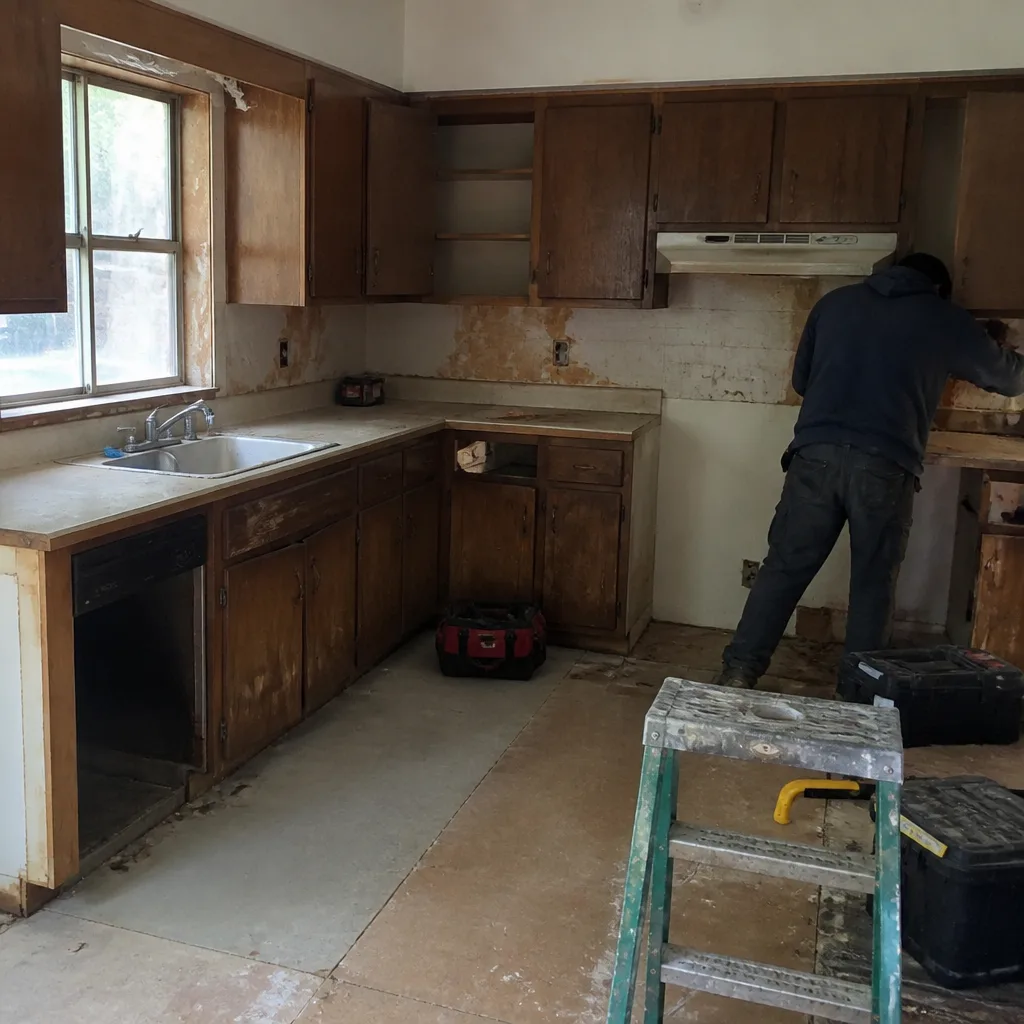 Before
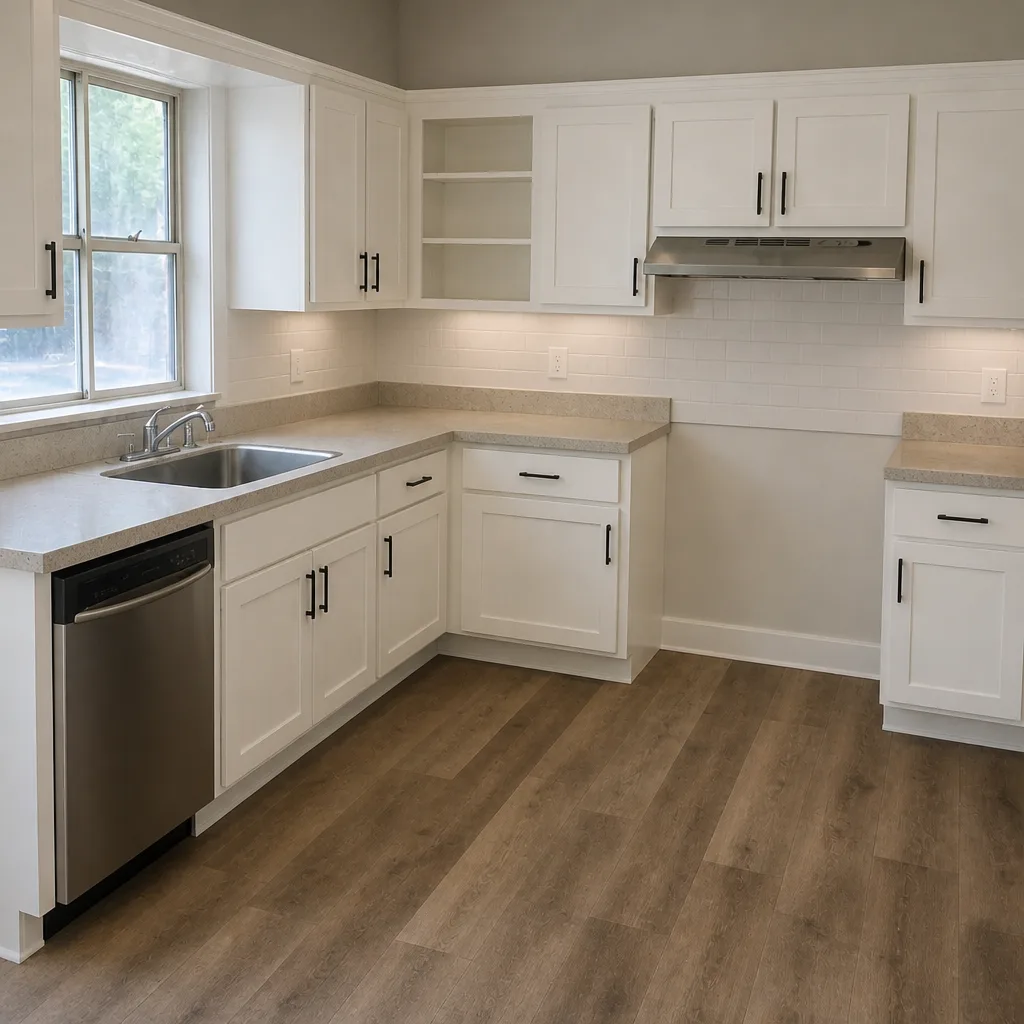 After
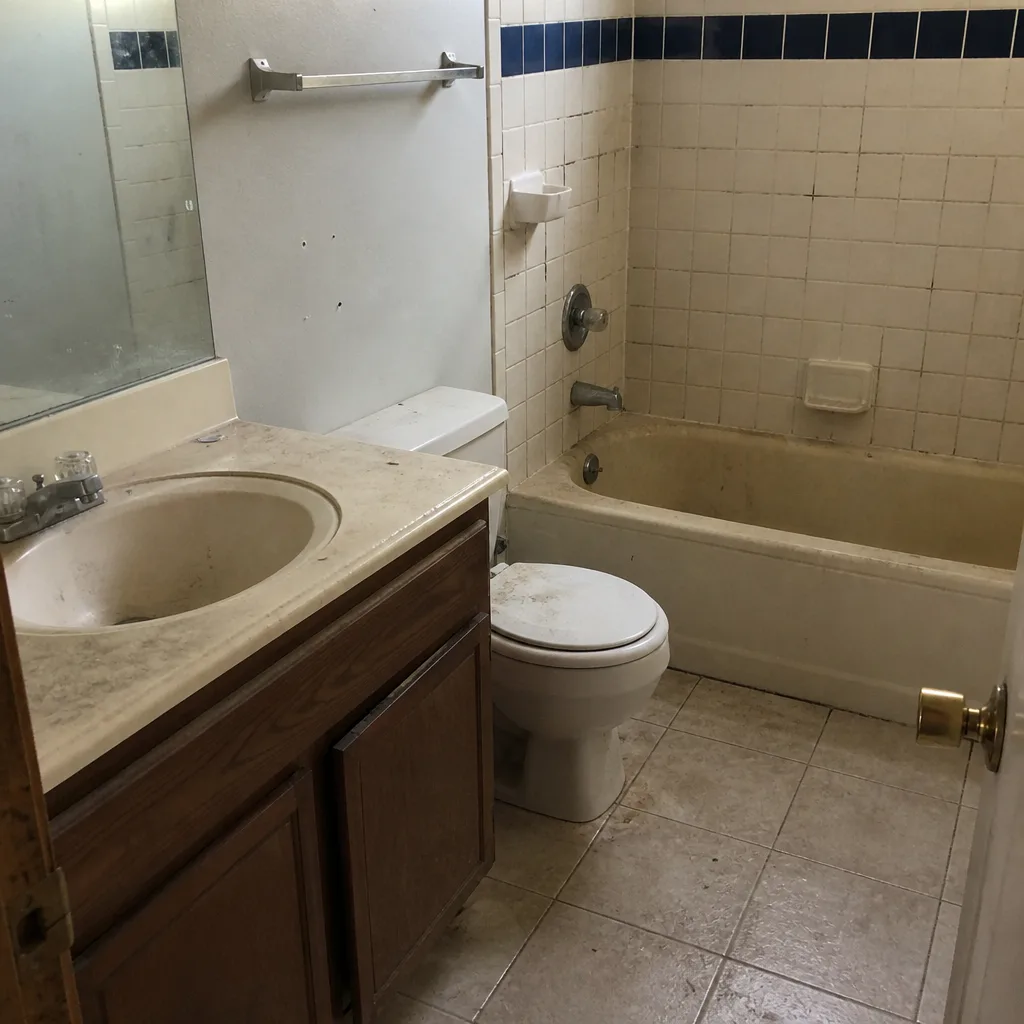 Before
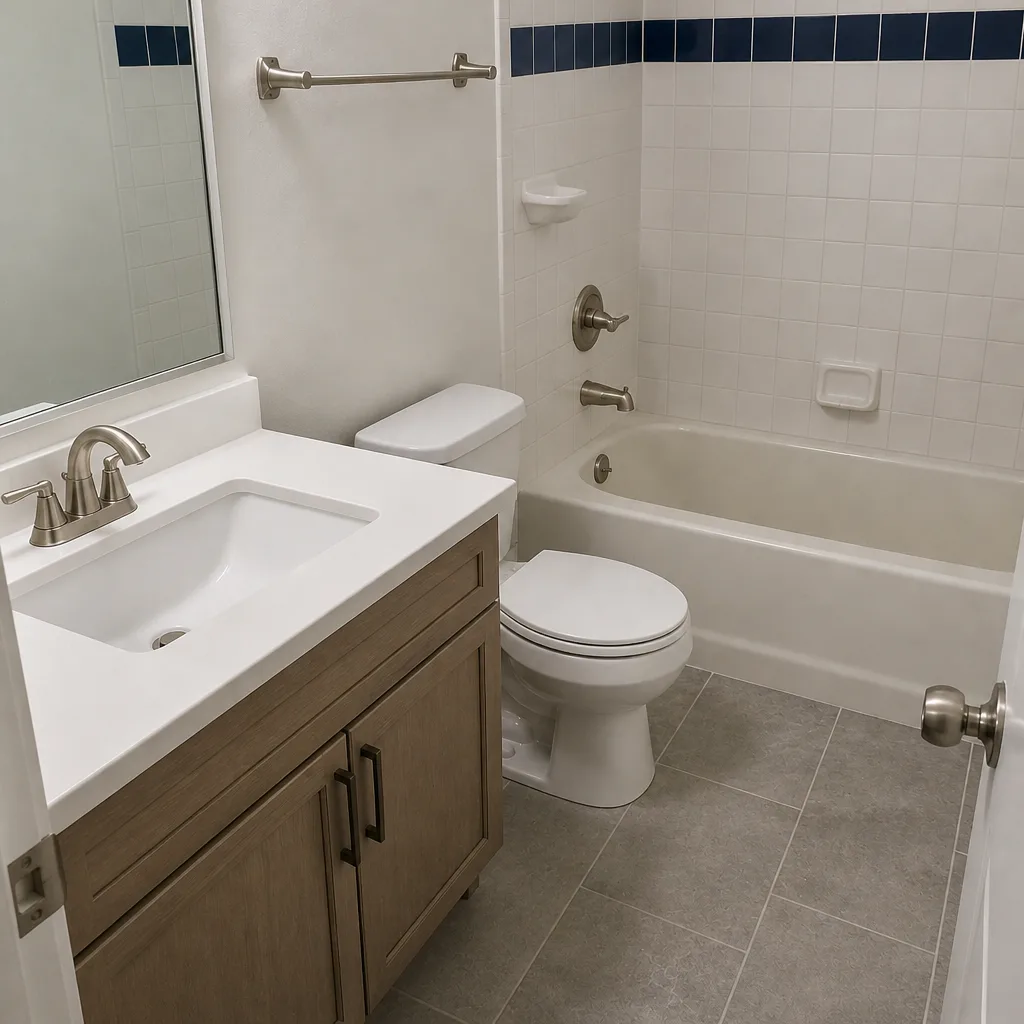 After
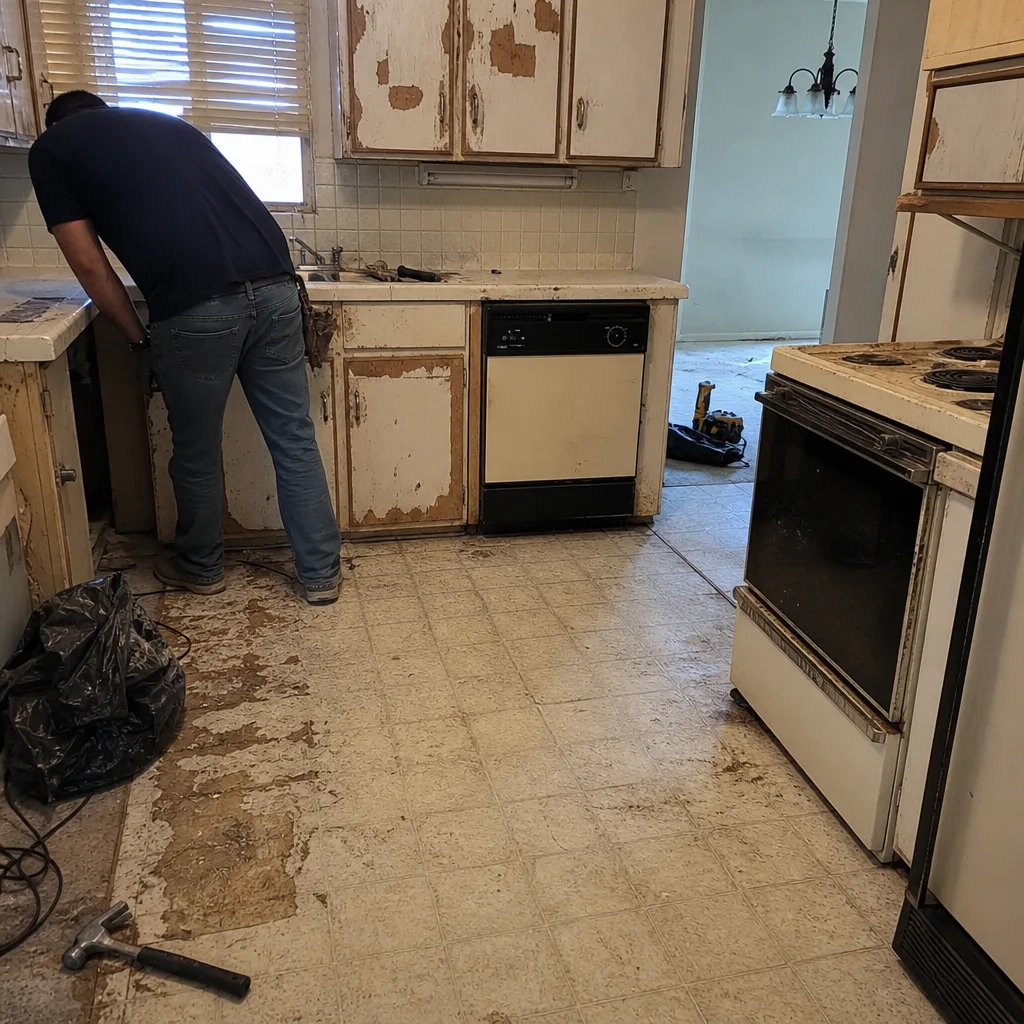 Before
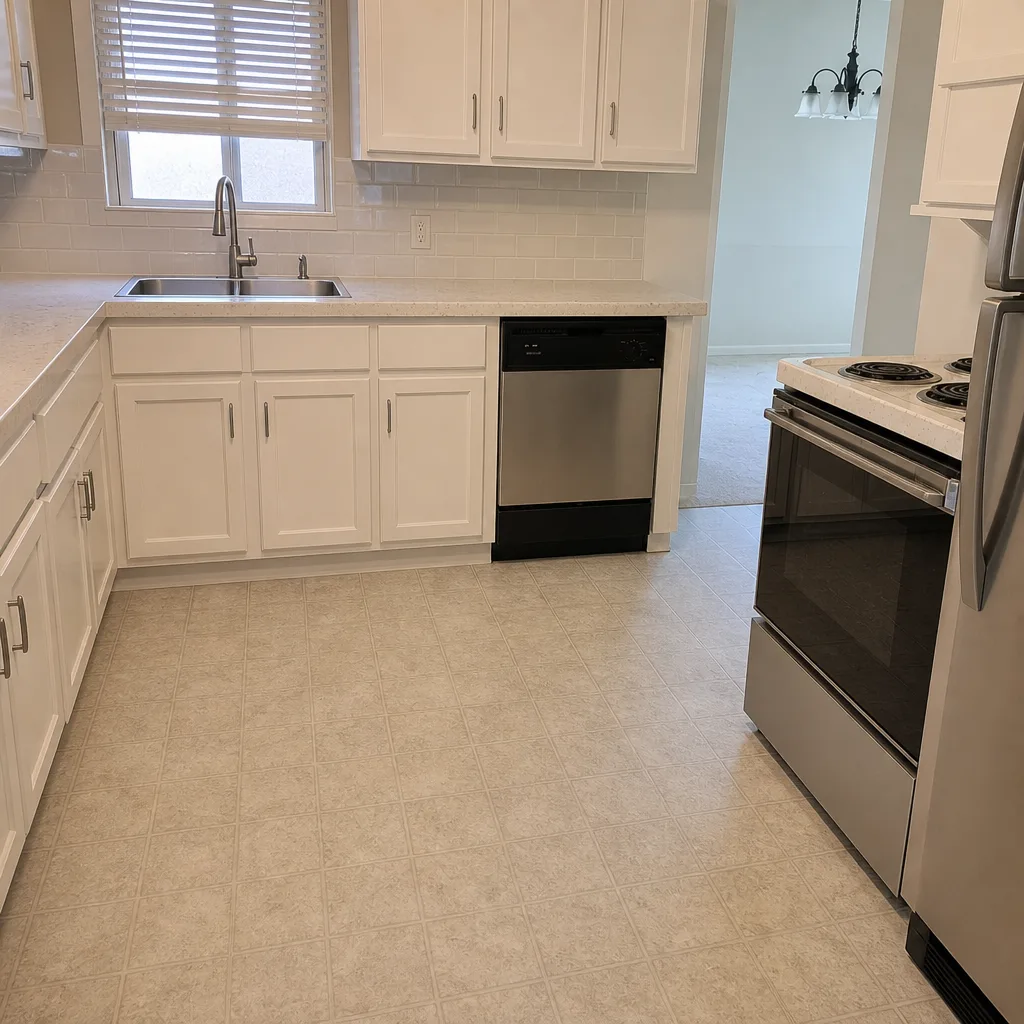 After
Frequently Asked Questions

You can safely handle cosmetic work yourself: painting, tile on an existing sound floor, cabinet hardware, landscaping, and swapping a light fixture. Hire a licensed professional for anything that requires a Clark County permit or touches electrical, plumbing, gas, or HVAC, because those trades carry insurance and resale exposure when done unlicensed.
It can. If a claim traces back to unpermitted electrical, plumbing, or structural work, your insurer may deny coverage for that damage and related losses. The policy language varies by carrier, but the pattern is consistent: a DIY flood or fire traced to unpermitted work is a denied claim. Call (866) 977-0526 if you’re not sure whether your project crosses that line; estimates are free.
Yes, under the owner-builder exemption, which typically applies to your primary residence. You can pull permits in your own name and supervise licensed subs, but you take on the inspection record, the code compliance, and the insurance risk. You still need licensed trades for the licensed work, and you’ll disclose the owner-builder permits at resale.
Unpermitted plumbing and electrical work is the most expensive mistake we see in Paradise. A DIY water heater install or a new circuit that fails a claim often costs more than the licensed job would have, because the insurance denial covers the damage on top of the repair.
It depends on the scope, but a failed shower tile job or a DIY water-damage repair typically runs two to three times the original cost of hiring the work right, before remediation. That’s why we recommend getting a written price before starting anything that crosses the permit line. Call (866) 977-0526 for a free estimate.
It shouldn’t if the contractor gave you a written price upfront. At Sawyer Remodeling Paradise, the number on your invoice is the number you approved, and every job carries The Relay Visibility Guarantee with a written price before any work starts. Call (866) 977-0526 to schedule your free estimate.
The Bottom Line
The DIY-versus-hire decision isn’t about skill level. It’s about permit exposure, insurance, and what a botched job costs to fix when you sell. Paint, tile over a sound floor, swap hardware, landscape, and handle the cosmetic work yourself. Everything that requires a Clark County permit or touches electrical, plumbing, gas, or HVAC belongs to a licensed professional, because doing it yourself can void coverage and force disclosure at resale. That line is the whole guide. If you’re planning a project in Paradise that crosses it, get a written price before you pick up a tool. Call (866) 977-0526 for a free estimate from Sawyer Remodeling Paradise.
Written by the team at Sawyer Remodeling Paradise.