Last updated November 17, 2026








Free written scope consultation - allowances, timeline, and change-order rules on paper before a single trade is scheduled
Construction Permits, Codes & Inspections in NV: What You Need to Know
Unpermitted work in Paradise doesn’t just risk a fine. It can void your homeowner’s insurance coverage for a claim that stems from that work, even years later. We’ve watched homeowners discover this the hard way: a water heater that failed and flooded a kitchen, a claim denied because the pan under it was never permitted. So why does it keep happening? Clark County’s permitting rules are genuinely confusing, and they change more often than most people realize. This guide walks you through exactly which remodels need a permit, what an inspector actually checks at each stage, how to close out old unpermitted work, and which Nevada energy code requirements hit remodeling jobs in Paradise.
Quick Answer
In unincorporated Clark County, including Paradise, most structural, electrical, plumbing, and mechanical remodels require a building permit, while simple cosmetic work like paint, flooring over existing subfloor, and cabinet refacing generally does not. Permits are pulled through Clark County’s Department of Building & Fire Prevention, and inspections are mandatory at rough-in, framing, and final stages. Skipping a required permit can block a sale, taint an insurance claim, and create real liability that follows the property, not the contractor who did the work.
Styles & brands we work with
- Kitchen remodeling
- Bathroom remodeling
- Home additions & ADU
- Roofing
- Windows & doors
- Driveway & pavers
- Fence
Table of Contents
- Which Remodel Scopes Trigger a Clark County Permit
- How to Check Permit History on a Home in Paradise
- The Inspection Sequence: Rough-In, Framing, Final
- What Happens If You Sell a Home With Open or Missing Permits
- Nevada Energy Code Requirements for Remodels
- Why Permit Rules in Paradise Confuse Homeowners
- Common Mistakes to Avoid
- When to Call a Professional
Which Remodel Scopes Trigger a Clark County Permit
Here’s where the confusion starts. Two contractors can give you opposite answers about the same job, and one of them can be honestly wrong. Clark County does not require a permit for every change, but the line isn’t always obvious.
Jobs that typically require a permit in Clark County:
- Moving or removing any load-bearing wall
- Adding or relocating electrical circuits, outlets, or panel work
- Any plumbing relocation (moving a sink, adding a shower, roughing in a new fixture)
- Bathroom remodels that change the layout, move a drain, or add a fan tied into existing circuits
- Kitchen remodels that move gas lines, electrical, or plumbing
- HVAC replacement or ductwork changes
- Adding a room, window, or exterior door
- Water heaters, unless it’s a like-for-like swap under the county’s minor-work exemption
- Pool and spa equipment changes
- Any structural repair or foundation work
Jobs that usually don’t need a permit:
- Interior paint, drywall patching, and trim work
- Tile, carpet, or flooring installed over an existing subfloor
- Cabinet refacing (not replacement)
- Like-for-like fixture swaps (faucet, toilet, light fixture in the same location)
- Fencing under 6 feet (with HOA and CC&R rules still applying)
The trap is that “like-for-like” gets stretched by contractors who want to keep the schedule moving. A faucet swap in the same spot is fine. Retiling a shower pan with a new waterproofing system is a different job, and the county treats it that way.
How to Check Permit History on a Home in Paradise
If you’re buying a house in Paradise, or you’ve owned one for years and aren’t sure what was permitted, checking history is easier than most people think. Here’s the sequence:
- Start with Clark County’s online permit search. The Department of Building & Fire Prevention has a public portal where you can search by address and see every permit pulled since the early 2000s, plus status (open, closed, expired, failed inspection).
- Request a records pull for older properties. Anything older than the online system requires a records request. It’s usually fast and worth the small fee.
- Compare against the listing history. If a remodel shows up in listing photos (a new kitchen, an added bathroom, a reworked laundry room) but no permit exists, ask questions before you close.
- Ask the county inspector for a “final” confirmation. A permit that was pulled but never finalized is functionally the same as no permit at all. Look for a closed status.
- Check for a Certificate of Occupancy on additions. Any added square footage should have one. If it doesn’t, that square footage may not legally count.
What skipped permits mean for your liability: the county records the violations against the property, not the person who did the work. If an inspector finds unpermitted electrical during a later inspection, you’re the one on the hook for retroactive permitting and any required corrections.
The Inspection Sequence: Rough-In, Framing, Final
Most homeowners never see the inspection process, but knowing what happens at each stage makes you a better client and a sharper advocate. Here’s the sequence for a typical Paradise remodel:
- Rough-in inspection. Before drywall goes up, the inspector verifies that electrical boxes, wiring, plumbing lines, drain slope, and HVAC ducts are installed to code. They check for grounded outlets, proper box depth, drain pitch (typically 1/4 inch per foot on horizontal drains), and mechanical venting.
- Framing inspection. For structural work, the inspector confirms headers, joists, and load paths are sized and fastened correctly. They check for anchor bolts, hangers, and fire blocking in walls. Photographs don’t substitute; the framing has to be visible.
- Insulation and energy inspection. Required before drywall in exterior walls. The inspector verifies R-values against the Nevada Energy Code and checks duct sealing.
- Drywall and lath inspection. Mechanical, plumbing, and electrical systems have to be signed off before this point, or the job stops.
- Final inspection. Everything at once: fixtures installed, GFCI outlets tested, smoke and CO detectors in place, water heater strapped and pan installed, handrails to code.
Each inspection has to pass before the next one is scheduled. That’s why a job with a missed rough-in can set a project back two or three weeks, and it’s why we build inspection dates into the schedule in writing before a project in Paradise starts.
What Happens If You Sell a Home With Open or Missing Permits
An open or missing permit on a Paradise home can stall a sale, kill financing, and cost you real money at the negotiating table. Here’s what actually happens:
- Title companies flag it. An open permit shows up during a title search, and lenders will not close on a property with unresolved violations.
- Buyers walk or renegotiate. A buyer’s agent who sees unpermitted structural work will often advise the buyer to walk, or to demand a discount equal to the cost of corrections.
- You handle the retroactive process. That means pulling a new permit as an “as-built” or “after-the-fact” permit, exposing the work for inspection (which can mean opening walls), paying permit fees plus penalties, and in some cases demolishing noncompliant work.
- Square footage gets disputed. An addition without a Certificate of Occupancy may not count in appraisals. That number has a direct effect on the sale price.
How to close out retroactively: hire a licensed contractor who has done the process before, pull the as-built permit, correct what the inspector requires, and pass a final. It’s usually less painful than sellers expect, but it needs to happen before the listing goes live, not after the buyer’s inspector finds it.
Nevada Energy Code Requirements for Remodels
This is where a lot of Paradise remodel projects get tripped up. The Nevada Energy Code (based on the IECC) applies to remodels, not just new construction. In a valley where summer highs hit 115°F, the code is not optional paperwork; it’s the reason a room stays livable in July.
Key requirements that hit remodels:
- Insulation: Exterior walls opened during a remodel must meet current R-value requirements. Older Paradise homes often have far less than current code.
- Windows: Replacement windows must meet U-factor and Solar Heat Gain Coefficient thresholds. This matters more in Paradise than in most of the country because afternoon west-facing glass cooks a room.
- HVAC: New or replacement equipment must meet SEER and HSPF minimums, and ductwork must be sealed and tested. Any duct work in unconditioned attic space gets scrutinized.
- Air sealing: Recessed lights, attic penetrations, and door seals all count. A remodel that doesn’t improve air sealing can fail the energy inspection.
- Water heating: Replacement water heaters must meet efficiency standards and be installed with a drain pan and seismic strapping.
In our experience, most permit disputes on Paradise remodels aren’t about the structural work; they’re about insulation and duct leaks getting caught at the energy inspection after the drywall is up.
Why Permit Rules in Paradise Confuse Homeowners
Paradise sits in unincorporated Clark County, which means the rules come from the county, not from the City of Las Vegas or Henderson. That’s the first source of confusion. Homeowners who live ten minutes from Las Vegas proper are governed by a different permit code, a different inspection office, and a different fee schedule.
The second source is that Clark County updates its amendments more often than most people expect, sometimes adopting changes to the energy code and structural provisions between the size of the IECC updates that most contractors track. A rule that was true on a job in 2019 may not be the rule today.
The third is neighborhood inconsistency. A 1960s ranch near Flamingo and Decatur may have original electrical that needs a full panel upgrade before a kitchen remodel can be permitted. A newer home off Tropicana may pass rough-in without a single correction. The permit requirements aren’t different, but the as-built condition of the house is, and that changes what the inspector requires.
The fourth: HOA and CC&R rules stack on top of county permits. A permit is not a green light if your HOA hasn’t signed off on exterior changes, and many Paradise neighborhoods have strict design review. If you’re planning a kitchen remodel, we walk you through the sequence in our guide to Kitchen Remodeling in Sunrise Manor and you’ll see how permits fit into the overall schedule. The same sequence applies to Bathroom Remodeling in Sunrise Manor, where waterproofing inspections and rough-in inspections overlap.
For deeper coverage of the county permit portal and local amendments, the Clark County Department of Building & Fire Prevention website is the authoritative source. We always recommend pulling the current version of the county’s adopted code amendments before a project starts, not just the contractor’s memory of what worked last time.
Common Mistakes to Avoid
- Trusting “you don’t need a permit for that.” Sometimes you don’t. Often you do. Ask for the exact code section in writing, and if the contractor can’t produce it, verify with the county yourself.
- Pulling a permit on the wrong scope. A permit pulled for a “bathroom refresh” that actually moves plumbing is a violation waiting to happen. The description on the permit has to match the work.
- Skipping the energy inspection because it “wasn’t on the original permit.” Any scope that touches exterior walls, windows, or HVAC triggers it. The county adds it even if your contractor didn’t include it.
- Starting work before the permit is issued. In Paradise, we’ve seen this backfire on fully cosmetic jobs because the contractor decided to move a light switch mid-project. If the permit isn’t issued, the work isn’t legal, and the timeline is exposed.
- Ignoring open permits from the previous owner. You can inherit a violation. Check the portal before you take possession.
- Not keeping documentation. Inspection photos, permit numbers, and final certificates should live in a folder you can give a buyer’s agent in five minutes. Every project we run ends with that folder handed over, because a clean paper trail is part of the job.
- Believing the inspection is a formality. Clark County inspectors are thorough, and a failed inspection adds real weeks. Build slack into the schedule.
See the difference
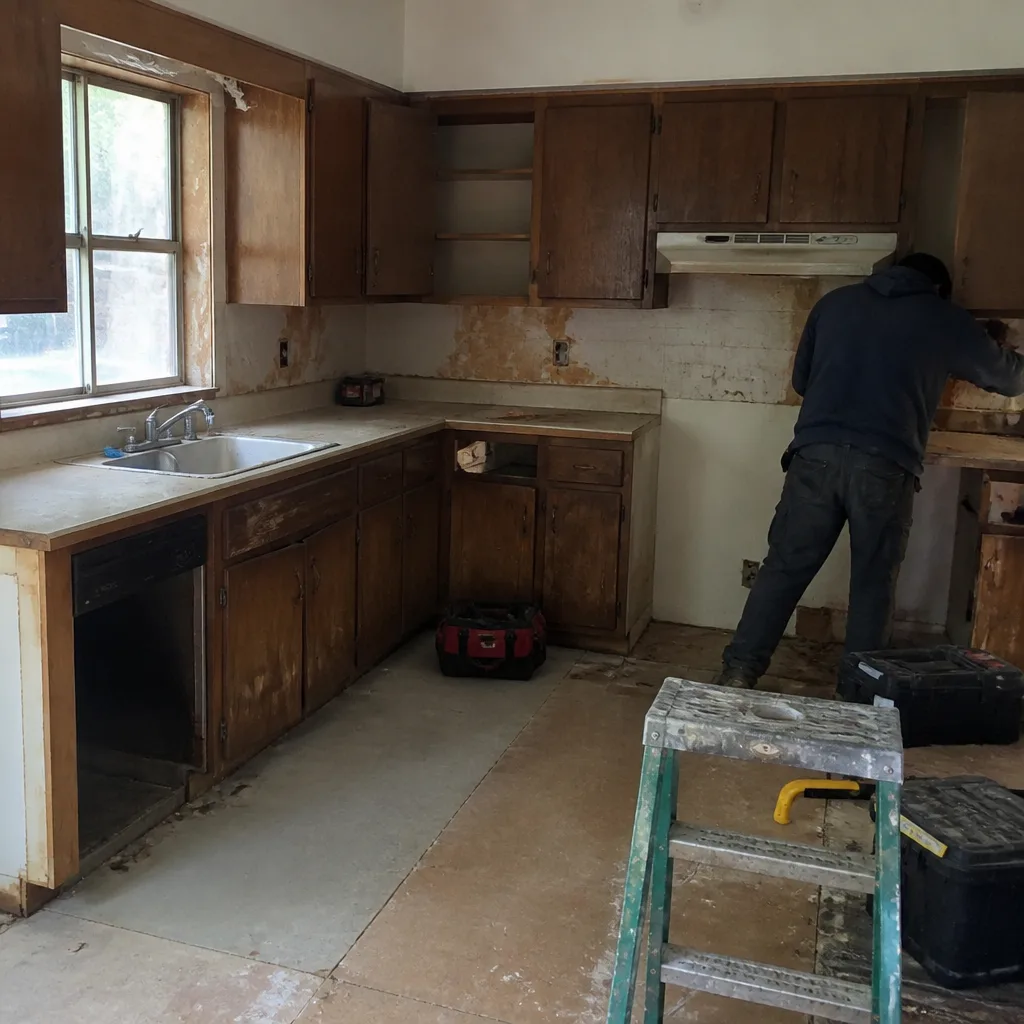 Before
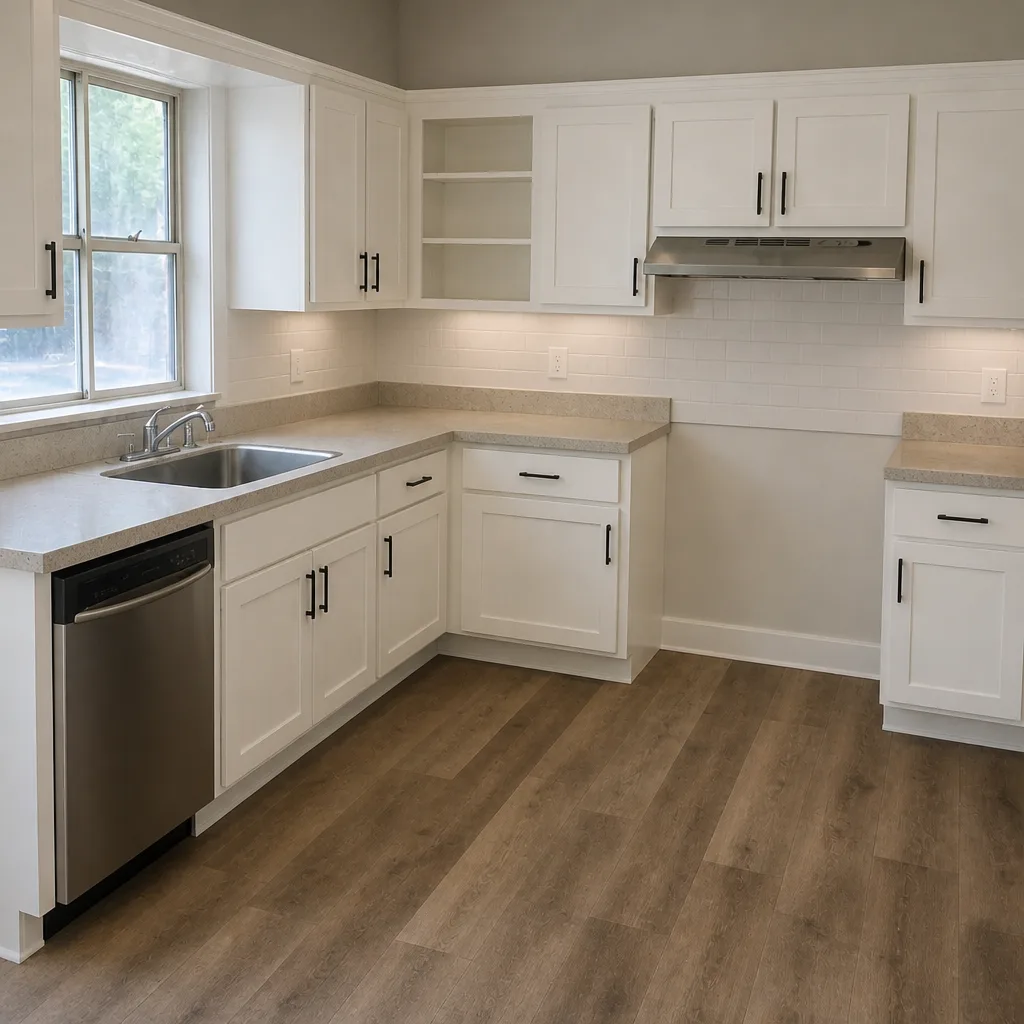 After
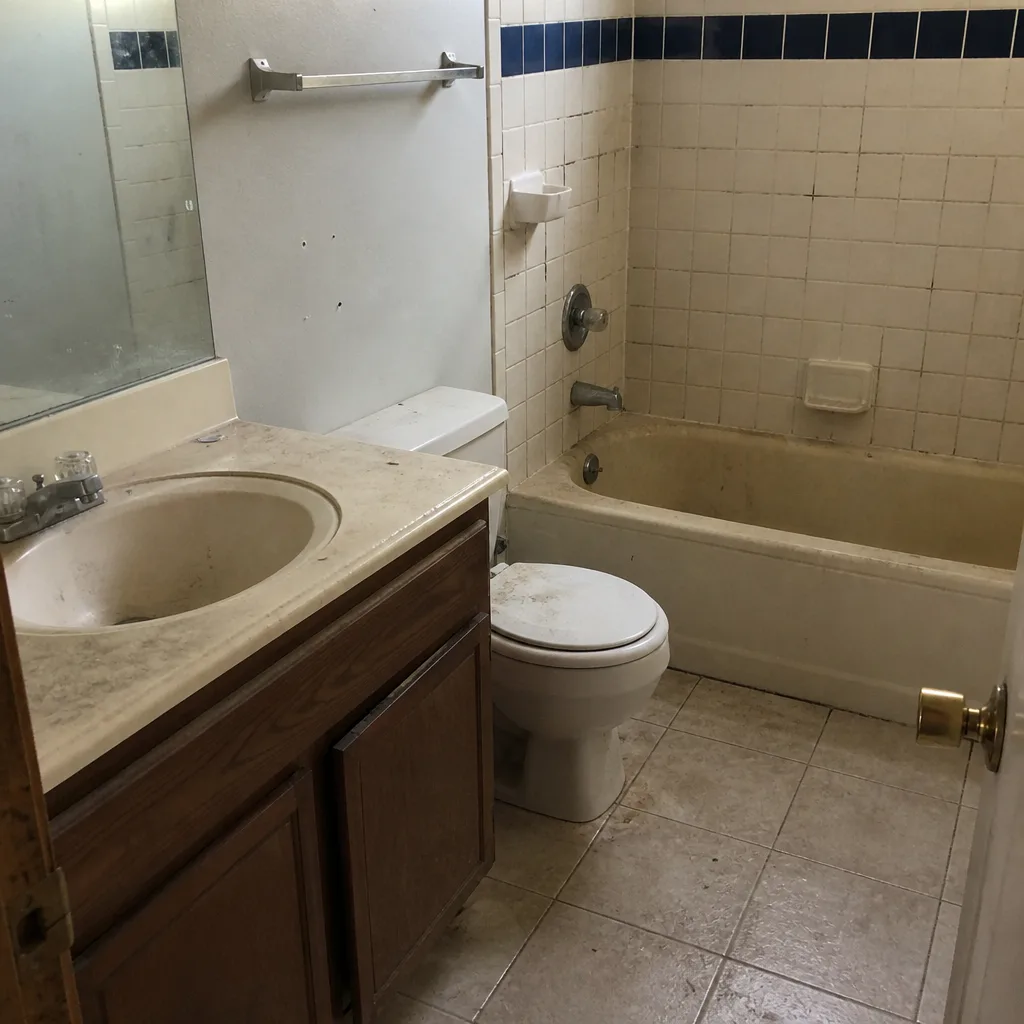 Before
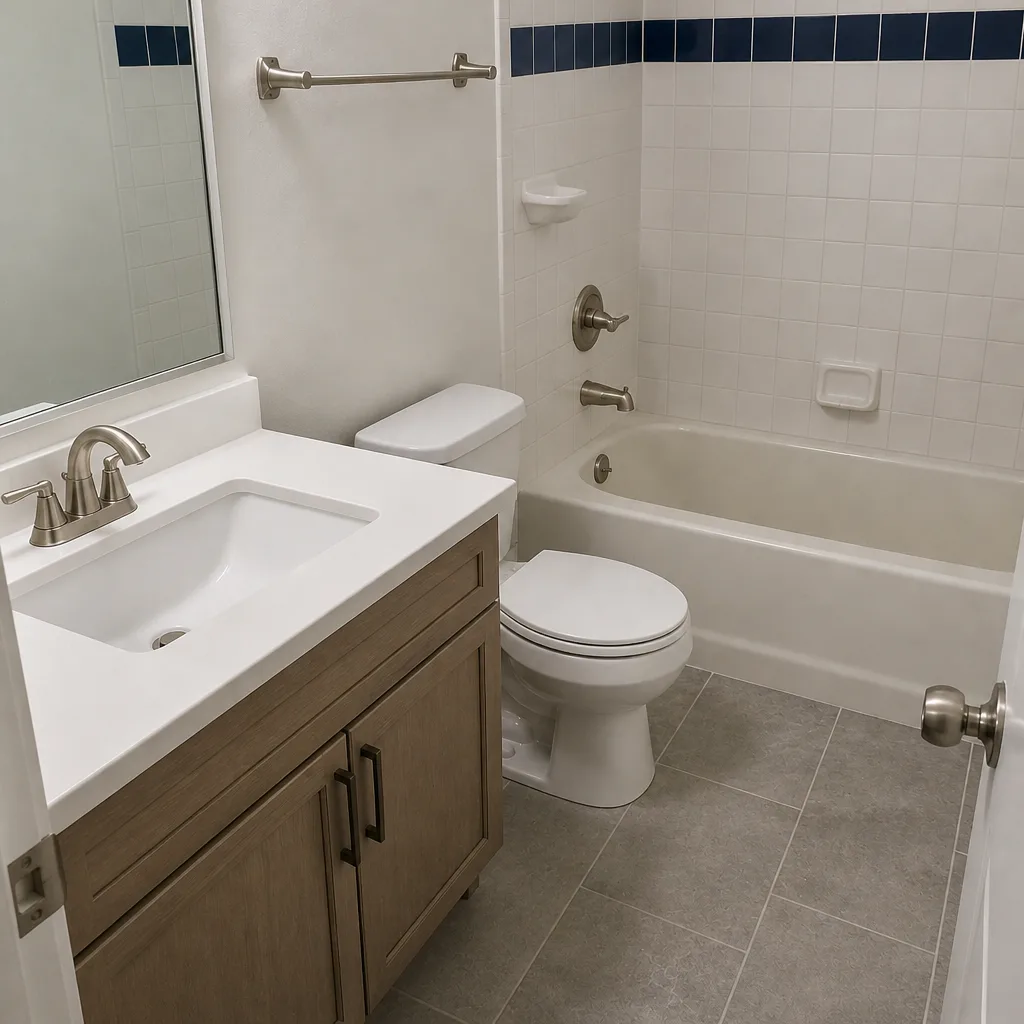 After
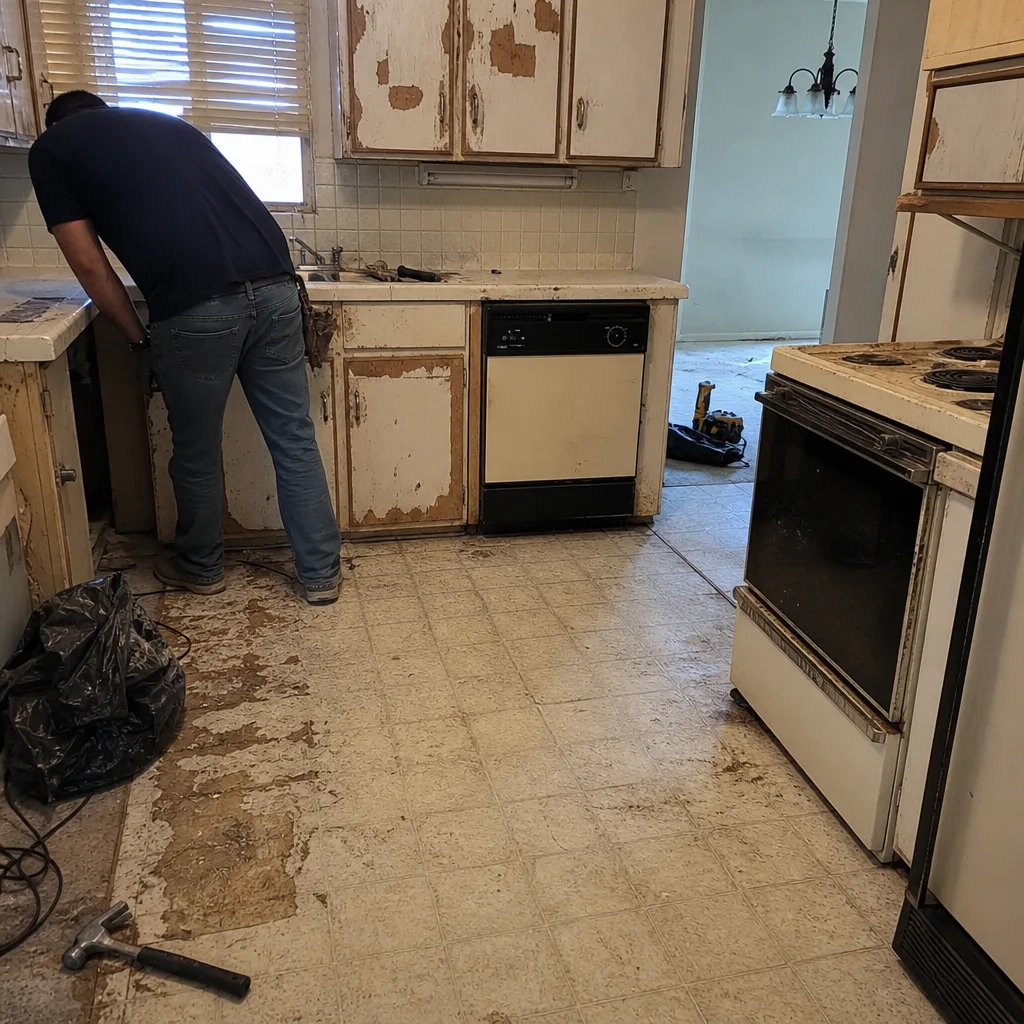 Before
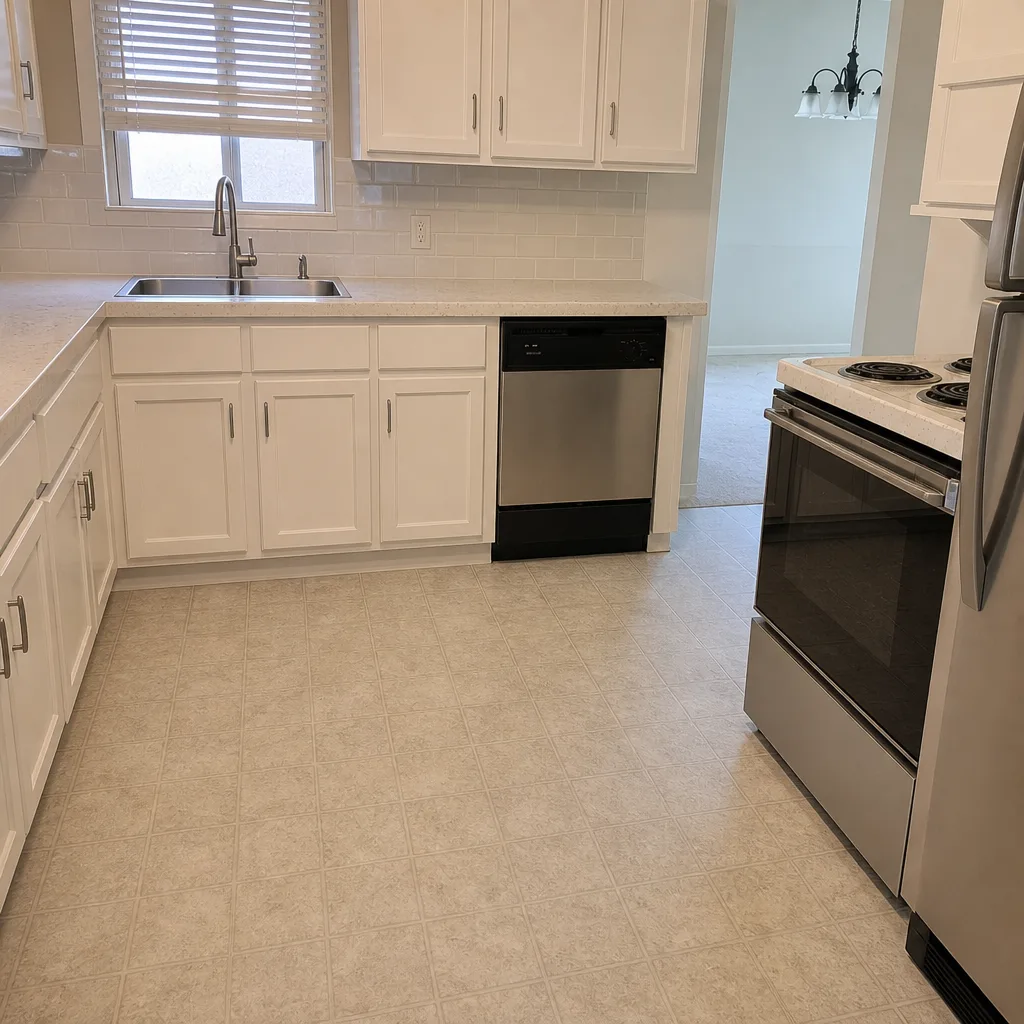 After
When to Call a Professional
Handle it yourself if the work is genuinely cosmetic: paint, flooring, trim, cabinet hardware. Call a licensed contractor if the work touches structure, electrical, plumbing, HVAC, or exterior openings, and if you are not sure which category a project falls into, that uncertainty alone is reason to call. Permits and inspections carry liability that doesn’t stay with the contractor who signed off; it attaches to the property. If you’re buying a Paradise home with unclear permit history, if you’ve inherited an open permit, or if you’re remodeling a bathroom or kitchen where the scope might move systems, get a professional read before you commit to a schedule or a budget. Sawyer Remodeling Paradise offers free estimates in Paradise with a written scope that spells out permit status up front, and we can walk you through what Clark County will require before a single tool is picked up. Call (866) 977-0526.
Frequently Asked Questions

Yes, in most cases. Any bathroom remodel that relocates plumbing, adds an electrical circuit, changes the shower waterproofing system, or moves a fixture requires a Clark County permit and rough-in inspection. A pure cosmetic refresh (paint, tile over existing subfloor, fixture swaps in the same location) usually does not. Call (866) 977-0526 for a free scope review.
Start with the Clark County Department of Building & Fire Prevention public permit portal and search by address. Look for open permits, expired permits, or remodel scopes visible in listing photos with no matching permit record. Anything older than the online system requires a records request. If you find gaps, address them before closing; call (866) 977-0526 for a professional opinion on what the corrections will involve.
Title companies flag open permits, and most lenders will not close until they’re resolved. The seller typically needs to pull an as-built permit, pass final inspection, or demolish noncompliant work. Square footage without a Certificate of Occupancy can also be disputed in the appraisal. Call (866) 977-0526 for a free estimate of what closing out the permit will take.
Any remodel scope that touches exterior walls, windows, HVAC, or water heating must meet current Nevada Energy Code requirements for insulation R-values, window U-factor and SHGC, HVAC efficiency, duct sealing, and air sealing. The code applies to remodeling, not just new construction. Because Paradise summer heat is extreme, energy code compliance is often the difference between a room that works and one that doesn’t.
Simple over-the-counter permits can be issued the same day at the county office, while full plan-review permits for structural or addition work typically take several weeks depending on review volume. We build the permit timeline into the project schedule in writing so you’re not surprised by a three-week gap in the middle of a kitchen remodel. Call (866) 977-0526 to talk through your project’s timeline.
Yes. If you’ve inherited an open permit from a previous owner, or a contractor left one open mid-project, we can scope the work, pull the as-built permit where needed, and take it through final inspection. It’s usually a smoother process than the homeowner expects. Call (866) 977-0526 for a free estimate.
The Bottom Line
If you take one thing from this guide, take this: in Paradise and unincorporated Clark County, “you probably don’t need a permit for that” is a sentence worth double-checking. The permit rules are strict, the energy code applies to remodels not just new builds, and the liability for unpermitted work follows the property, not the contractor who skipped the paperwork. Get the permit history checked before you buy. Build inspection milestones into the schedule in writing. And when a project touches structure, plumbing, electrical, or HVAC, work with a contractor who pulls the permit and puts that commitment in writing. That’s how a remodel stays something you’re proud of, not something you have to fix later.
If you’re ready to plan a remodel in Paradise with permits handled, a written price before work begins, and The Relay Visibility Guarantee backing the whole job, call Sawyer Remodeling Paradise at (866) 977-0526 for a free estimate.
For more on how we handle county permits and Nevada energy code on remodels, start at our Sawyer Remodeling Paradise home page, or read our guide to hiring a General Contractor in Sunrise Manor to understand the local sequence. If you’re planning a whole-home project, our guide to local general contractor services also covers how permits fit into a construction schedule.
Written by the team at Sawyer Remodeling Paradise.