Last updated November 17, 2026


Free written scope consultation - allowances, timeline, and change-order rules on paper before a single trade is scheduled
DIY vs Professional Construction: The Paradise Homeowner’s Decision Guide
Nevada requires a licensed contractor for any single project valued over $1,000 in combined labor and materials. Most Paradise homeowners blow past that number before they’ve finished tiling a backsplash and a bag of thinset. So the real question isn’t whether you can swing a hammer. It’s whether finishing that scope yourself actually saves money once you count permit exposure, the extra materials desert heat and clay soil make you buy twice, and the price of redoing work that failed inspection. This guide breaks down which Paradise projects pay off as DIY and which quietly cost more in the end.
Quick Answer
In Paradise, DIY saves real money on cosmetic and non-permitted work like painting, swapping cabinet hardware, and yard prep, but it usually costs more than it saves on tile, drywall finishing, and anything electrical or structural, where permit rules, desert subfloor movement, and inspection standards add up fast. The smart move for most owners is a hybrid: handle the simple finish work yourself and leave the licensed, inspected, warranty-covered trades to a professional.
Styles & brands we work with
- Kitchen remodeling
- Bathroom remodeling
- Home additions & ADU
- Roofing
- Windows & doors
- Driveway & pavers
- Fence
Table of Contents
- The $1,000 Rule: When DIY Crosses Into Unlicensed Contracting
- Where DIY Genuinely Saves Money in Paradise
- Where DIY Usually Costs More Than It Saves
- How to Be a Smart Owner-Manager
- What Voids a Contractor’s Warranty (and How Prep Work Can Do It)
- Desert Climate and Code: Why Paradise Projects Behave Differently
- Running the Numbers: A Realistic Budget Comparison
- Permits in Paradise: A Numbered Walkthrough
The $1,000 Rule: When DIY Crosses Into Unlicensed Contracting
The Nevada State Contractors Board sets a clear line. Any single construction, remodeling, or repair project where combined labor and materials exceed $1,000 requires a licensed contractor. That threshold isn’t a soft guideline. Pulling a permit as an owner-builder for work that would normally need a license, then paying an unlicensed helper to do it, can land both of you in violation.
Here’s the nuance most articles skip. The $1,000 rule is about who performs the work, not who owns the home. You can legally remodel your own house as an owner-builder in Paradise, but the moment you pay someone else to do a covered scope above that number, that person needs a license. If they don’t have one, the work is unpermitted and your homeowner’s insurance may refuse to cover a future claim tied to it.
What counts toward the $1,000:
- Materials you buy for the project
- Labor you pay anyone to perform
- Subcontractor costs on any part of the scope
- Permit fees where they apply
What doesn’t always count: tools you keep and reuse, and design or planning fees paid to a separate professional. In practice, a single bathroom vanity swap with a new counter and plumbing connections brushes right up against the threshold. A full tile shower rebuild sails past it. The rule is designed to protect you, not trip you up, and it’s the first thing we explain to Paradise homeowners who call planning to manage their own job.
Where DIY Genuinely Saves Money in Paradise
Some scopes reward a homeowner’s time with real savings and almost no permit or warranty risk. Interior painting tops the list. So does anything that doesn’t touch plumbing, gas, structural framing, or the electrical panel.
In our experience across Paradise remodels, these projects pay off as DIY:
- Interior painting. A gallon of quality paint and a weekend beats a labor invoice every time. No permit, low risk, and mistakes are easy to fix.
- Cabinet hardware and pulls. Swapping knobs and handles refreshes a kitchen for under a few hundred dollars. The only tool you truly need is a steady drill hand.
- Landscaping prep and xeriscape tear-out. Ripping out old turf, hauling rock, and clearing beds is muscle work, not licensed work. Paradise water restrictions reward low-water landscaping, and the prep is fair game for a motivated owner.
- Fixture swaps that don’t move plumbing. Replacing a faucet or a light fixture in the same location is usually straightforward. Moving a drain line is not.
- Closet systems and shelving. Off-the-shelf units install with a level and a stud finder.
What ties these together: nothing here requires inspection, nothing hides behind a wall, and if you get it wrong, the fix is cosmetic. That’s the dividing line. The moment a project touches a system a future buyer or inspector will scrutinize, the savings math changes. Older Paradise homes near the Sunrise Manor corridor often have builder-grade finishes that repaint beautifully, which makes these DIY scopes a strong return on a Saturday.
Where DIY Usually Costs More Than It Saves
Three scopes burn Paradise homeowners more often than any others: tile, drywall finishing, and electrical. Each has a specific local reason why a first attempt tends to cost more than hiring it out.
Tile
Paradise sits on expansive clay soils and swings between desert heat and cool nights. That movement shows up under tile. A subfloor that flexes even slightly cracks grout lines and pops tiles loose within a season. Professional installs account for this with proper backer board, crack-isolation membrane, and Schluter edge trim (the metal strip that waterproofs where your tile meets the floor). Getting the prep wrong once means tearing out and buying new tile, which is money spent twice.
Drywall
Hanging drywall is easy. Finishing it to a paint-ready Level 4 or 5 standard is the part that separates a pro from a weekend. Feathering compound so seams vanish under raking desert sunlight takes repetition. A DIY finish that looks fine under a lamp looks wavy by the window, and repainting it doesn’t hide the flaw.
Electrical
This is where the math gets serious. Electrical work requires a permit and inspection in Paradise, and DIY electrical has one of the highest inspection-failure rates of any scope. Every failed inspection means a re-inspection fee, a redo, and a delay. Electrical is also genuinely dangerous, and we’d rather you not test your breaker panel education on a live circuit. A licensed electrician isn’t a luxury on this scope; it’s the only sensible route.
If your project runs into any of these scopes, it’s worth reviewing how a bathroom remodeling project in Sunrise Manor handles subfloor prep before tile goes down. The same prep logic applies to your Paradise job.
How to Be a Smart Owner-Manager
You don’t have to choose between full DIY and handing the whole project to a contractor. The middle path is being a smart owner-manager: you supply materials and manage the schedule while licensed trades handle the permitted scope. Done well, this trims cost without touching work that needs a license.
Where owner-supplied materials genuinely lower your bill:
- Fixtures and finishes. Buy your own faucets, tile, and lighting and hand them to the installer. You control the look and the budget.
- Cabinetry and countertops. Selecting your own cabinet and counter package lets you compare brands directly rather than paying a markup.
- Appliances. Order and stage them; the installer sets them.
Where you should not step in:
- Anything requiring a permit and inspection
- Plumbing rough-in, gas lines, and the electrical panel
- Structural framing and load-bearing changes
- Waterproofing and subfloor prep on a tile job
The smart-owner-manager rule is simple: supply what you can see, never supply what gets inspected. When homeowners supply their own materials, they also need to confirm the warranty still applies, since some manufacturers require installation by a licensed pro to honor coverage. A quick conversation up front avoids a coverage surprise later. Many Paradise owners who start in the kitchen end up comparing options with a kitchen remodel in Sunrise Manor to see how material selection works when a pro handles the install.
What Voids a Contractor’s Warranty (and How Prep Work Can Do It)
A contractor’s workmanship warranty covers the labor and methods that contractor controls. It does not cover damage caused by work someone else did before or after. That’s the gap most homeowners don’t see coming.
Things that commonly void or narrow a warranty:
- Homeowner prep that alters the substrate a professional is about to work over
- Removing or changing framing, plumbing, or electrical after the pro’s scope closes
- Owner-supplied materials that fail and cause downstream damage
- Moisture or movement caused by work outside the original scope
- Unauthorized changes made after final inspection
The subtle one is prep. Say you pull up old flooring and patch the subfloor yourself to save a step before the tile crew arrives. If that patch wasn’t to spec and the new tile cracks, the warranty questions whether the failure came from the install or the substrate underneath. The same goes for painting over drywall a pro is about to finish, or moving a plumbing stub before the rough-in inspection.
The fix is communication, not caution. Tell your contractor what you plan to handle yourself and confirm what they want left untouched. A pro who runs a job under a written scope and a written guarantee, like our 365-Day Done Right Promise, will spell out exactly where their responsibility starts and stops before any tool comes out. That clarity is what protects you when a question comes up six months later.
Desert Climate and Code: Why Paradise Projects Differently
Paradise projects carry local conditions that a generic DIY video won’t mention. The desert heat expands and contracts materials, the dry air and intense sun age exterior finishes faster, and clay soil shifts under everything. Add Southern Nevada’s water-restriction rules and you get scopes where the standard recipe changes.
Local factors that shift the DIY-versus-pro math:
- Subfloor and slab movement. Expansive soils mean tile and flooring need movement accommodation most guides skip.
- UV exposure. Exterior paint and sealants break down faster here, so surface prep matters more than the number of coats.
- Water-efficient fixtures and landscaping. Local rules reward low-flow and low-water choices, and plumbing swaps that touch supply lines are still permit work.
- Proper curing in low humidity. Concrete, grout, and compound dry at different rates here, and rushing a cure is a common cause of failure.
- Older home stock. Many Paradise properties predate current codes, so a “simple” swap can expose outdated wiring or plumbing that pulls in a permit.
None of this means you can’t do the cosmetic work yourself. It means the boundary between cosmetic and code-driven is tighter in Paradise than in a milder climate, and a scope that felt like a weekend project can turn into a permitted one the moment you open a wall.
Running the Numbers: A Realistic Budget Comparison
The clearest way to decide is to compare scope types side by side. Here’s how the cost math tends to break down for Paradise homeowners, using relative dollar ranges rather than fixed quotes, since every home is different.
- Painting a room: DIY saves the most here. Materials run a fraction of a labor invoice, and there’s no permit or warranty risk.
- Cabinet hardware and pulls: High DIY savings, tiny material cost, near-zero risk.
- Landscaping tear-out and prep: DIY saves on labor, though hauling and disposal add up.
- Tile shower or floor: DIY often costs more in the end once failed subfloor prep, re-purchased material, and one redo are counted.
- Drywall finish: DIY saves on the hang, rarely on the finish. A pro-level finish usually needs a pro.
- Electrical and plumbing: DIY rarely saves once inspection failure, re-inspection fees, and safety risk are factored in.
Permits in Paradise: A Numbered Walkthrough
If your project needs a permit, here’s the sequence that keeps you compliant and your warranty intact. This is the process for owner-builder and contractor-led permits alike.
- Confirm whether your scope needs a permit by checking the work type and the $1,000 threshold.
- Decide who performs the work: an owner-builder permit for your own labor, or a licensed contractor for anything you pay someone to do.
- Submit the permit application with plans or scope documentation where required.
- Schedule rough-in inspections before walls close on plumbing, electrical, or framing.
- Complete the work to code, then schedule the final inspection.
- Keep your inspection records for warranty and resale purposes.
The step homeowners most often skip is the rough-in inspection. Cover the work and you fail the final, which means opening it back up. A licensed contractor builds these inspections into the schedule so the job doesn’t stall. To see how permits and inspections get managed end to end, our general contractor services in Sunrise Manor page walks through the process from first walkthrough to final sign-off, and you can explore the full range of Sawyer Remodeling Paradise home services to see where your project fits.
Common Mistakes to Avoid
- Treating the $1,000 threshold as a suggestion. Paying an unlicensed helper for covered work above that line creates unpermitted work your insurer may refuse to cover. It’s the single costliest error on this list.
- Doing your own subfloor prep to save a step. In Paradise, patching a slab or subfloor to spec takes experience, and a DIY patch can shift a tile failure onto your shoulders and out of the warranty.
- Skipping the rough-in inspection to save time. Covering plumbing or electrical before inspection guarantees a failed final and a redo. Inspectors will make you open the wall again.
- Buying tile or flooring without checking movement specs. Desert temperature swings punish the wrong underlayment. Buy for the local climate, not the showroom display.
- Painting over surfaces a pro is about to finish. Slapping color on fresh drywall the crew still needs to coat and sand wastes your time and theirs.
- Supplying materials without confirming warranty terms. Some manufacturers require licensed installation to honor coverage. Read the fine print before you hand over a box.
- Assuming an old home will cooperate. Many Paradise properties predate current code, so a fixture swap can expose outdated wiring and turn a small job into a permitted one mid-stream.
See the difference
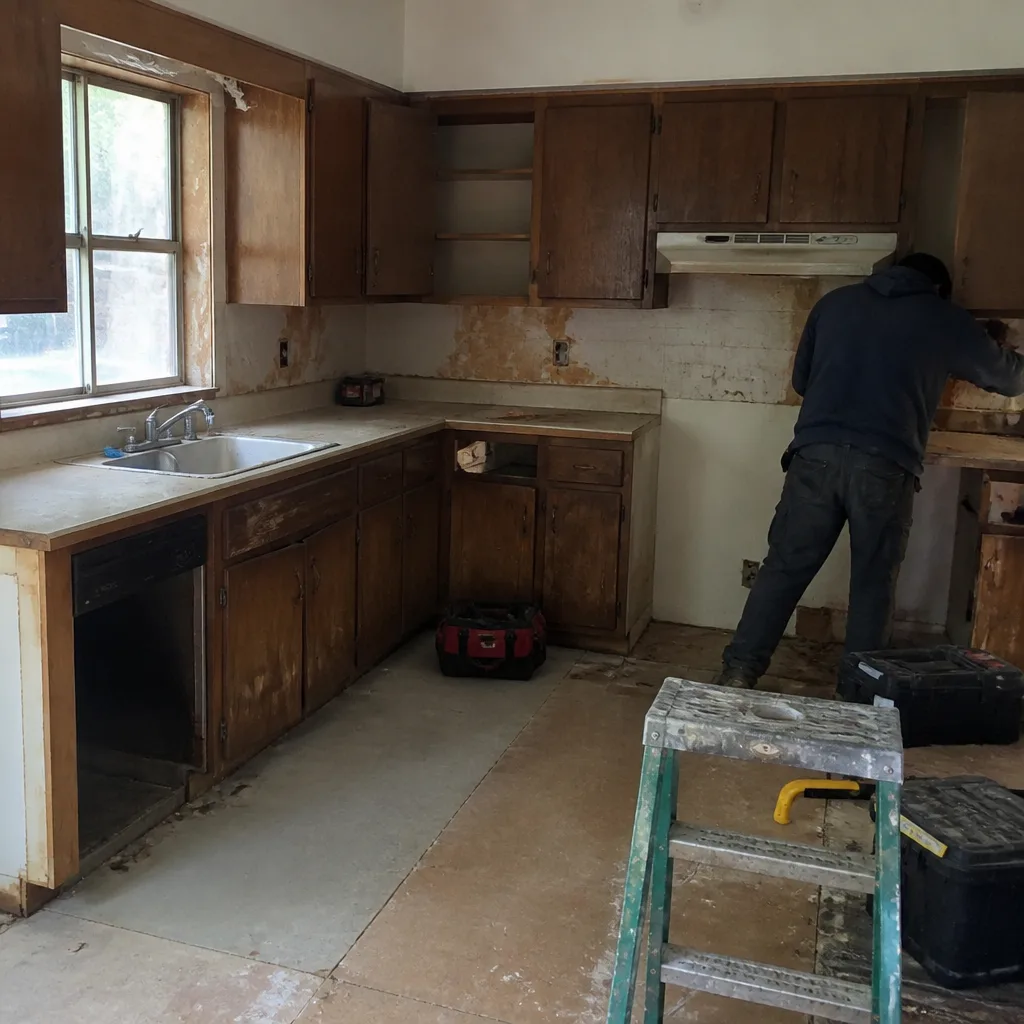 Before
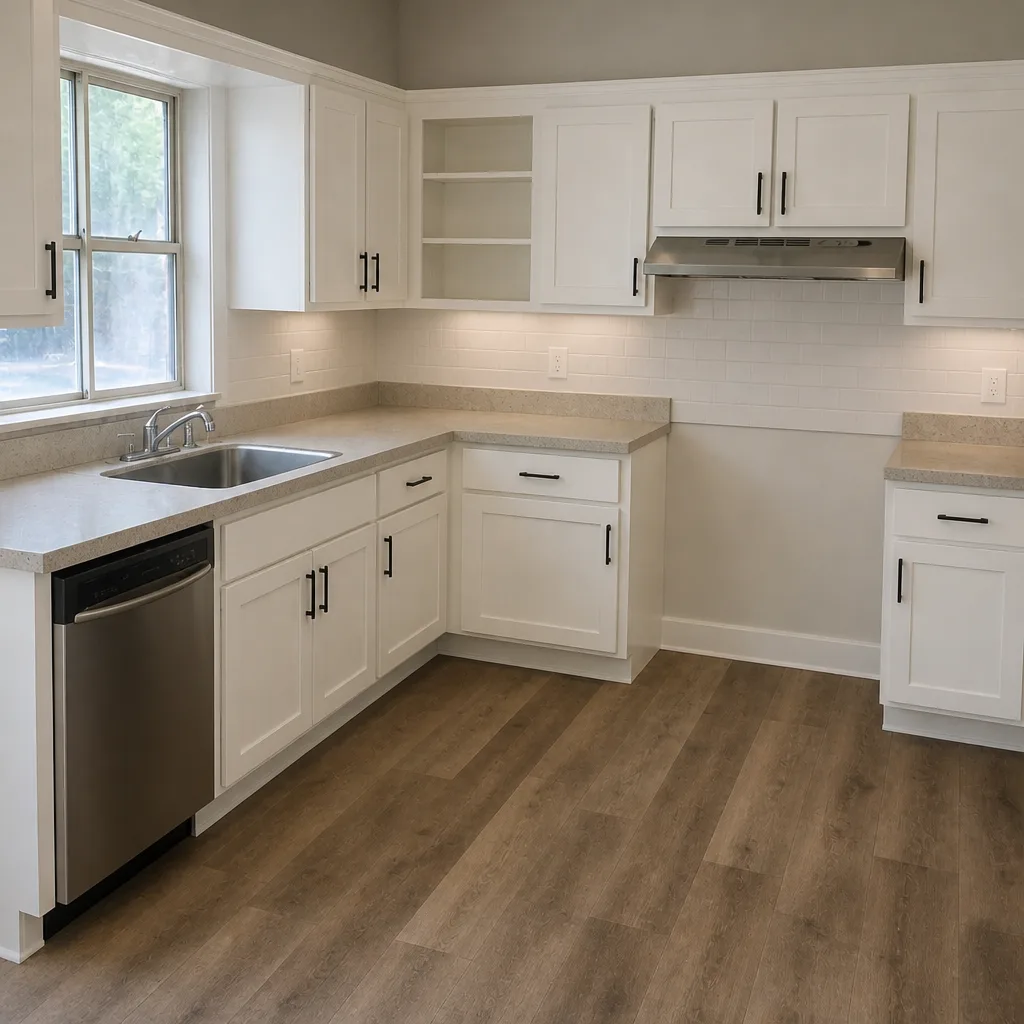 After
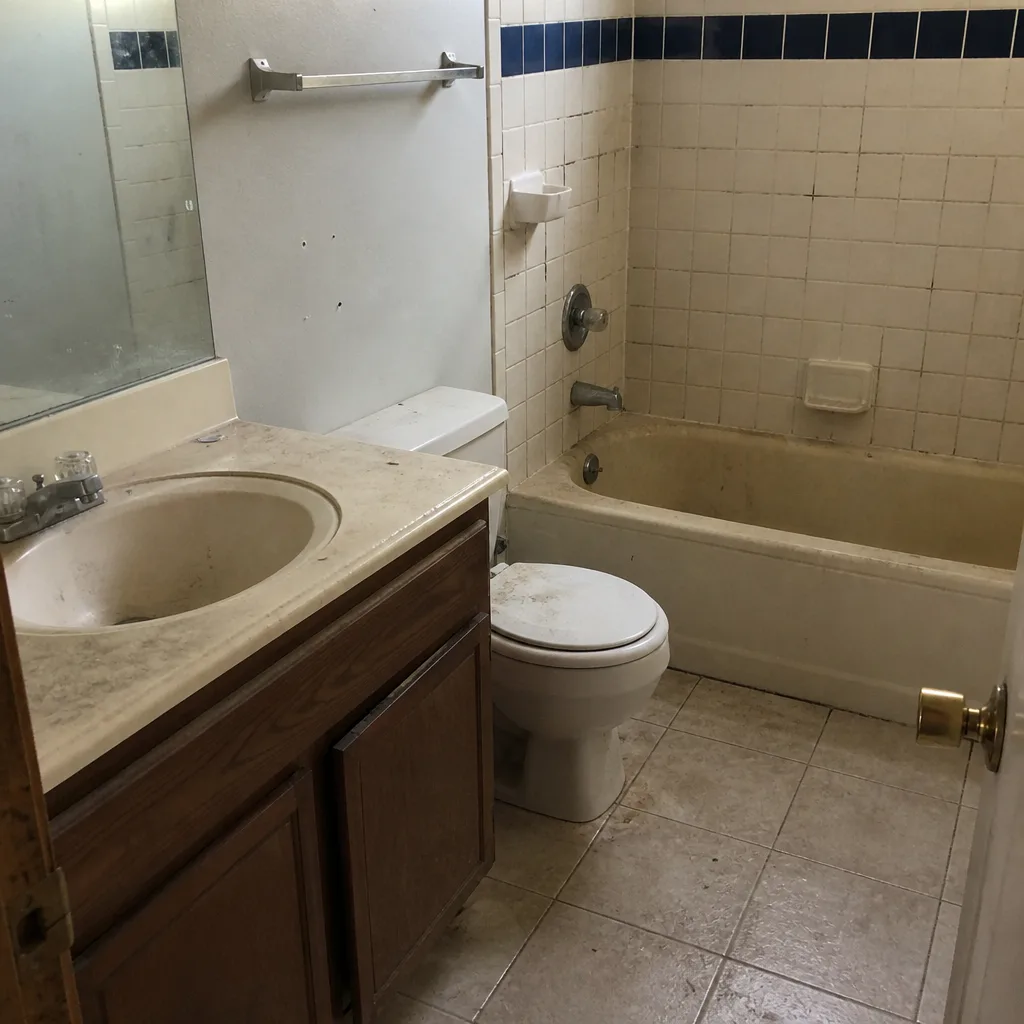 Before
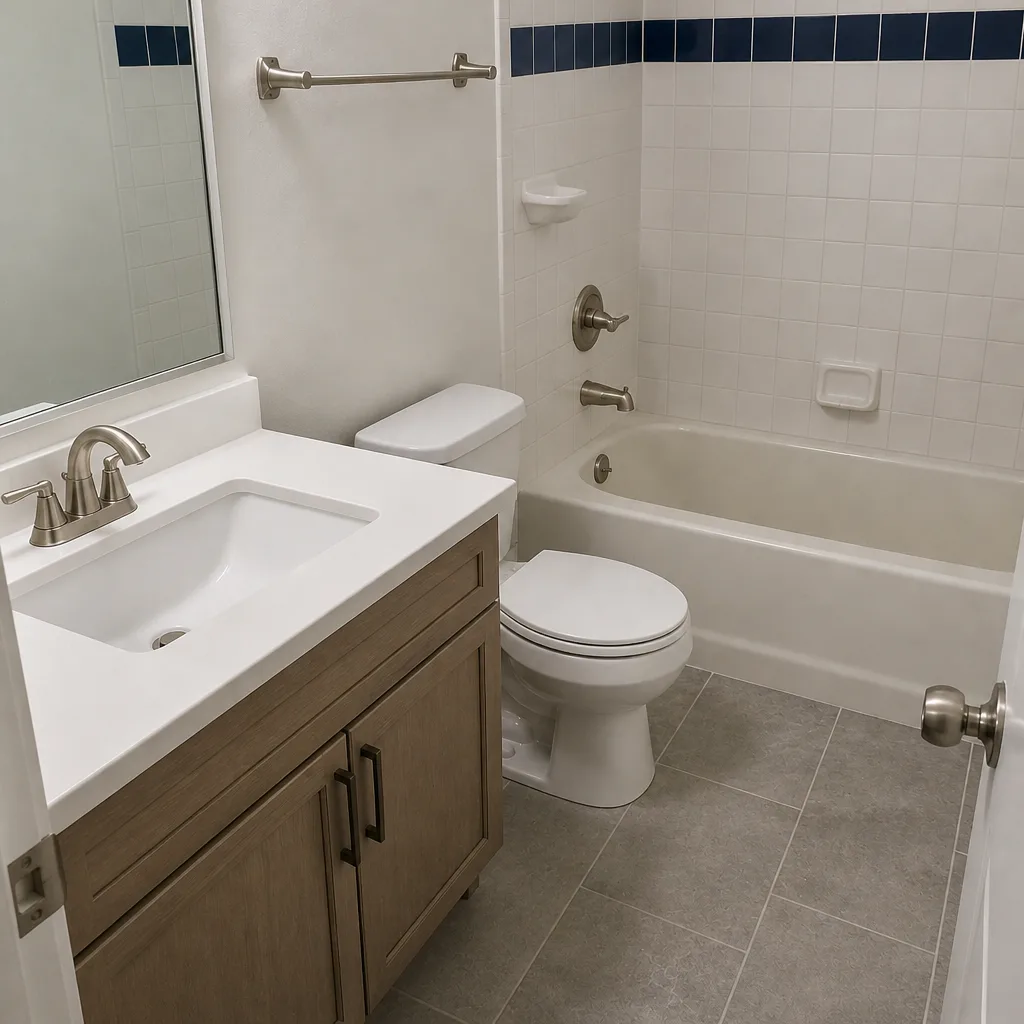 After
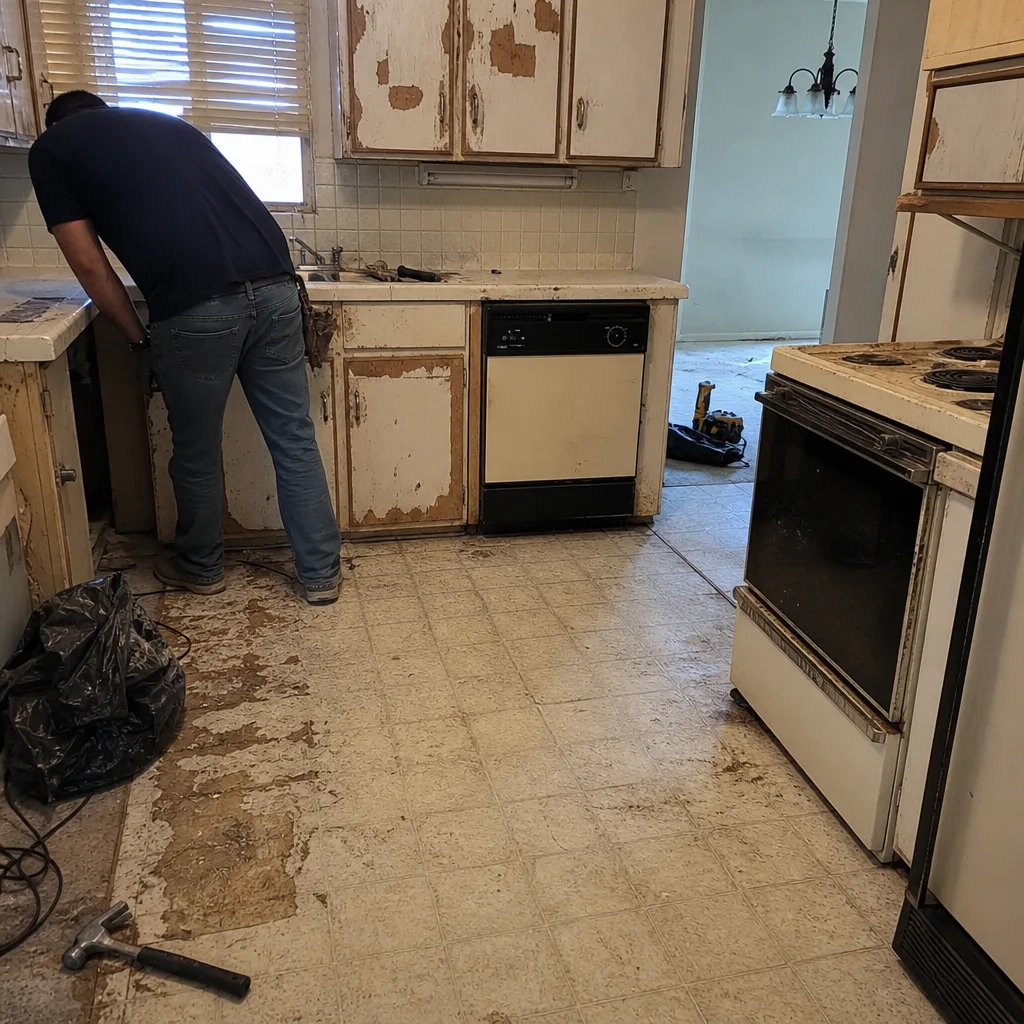 Before
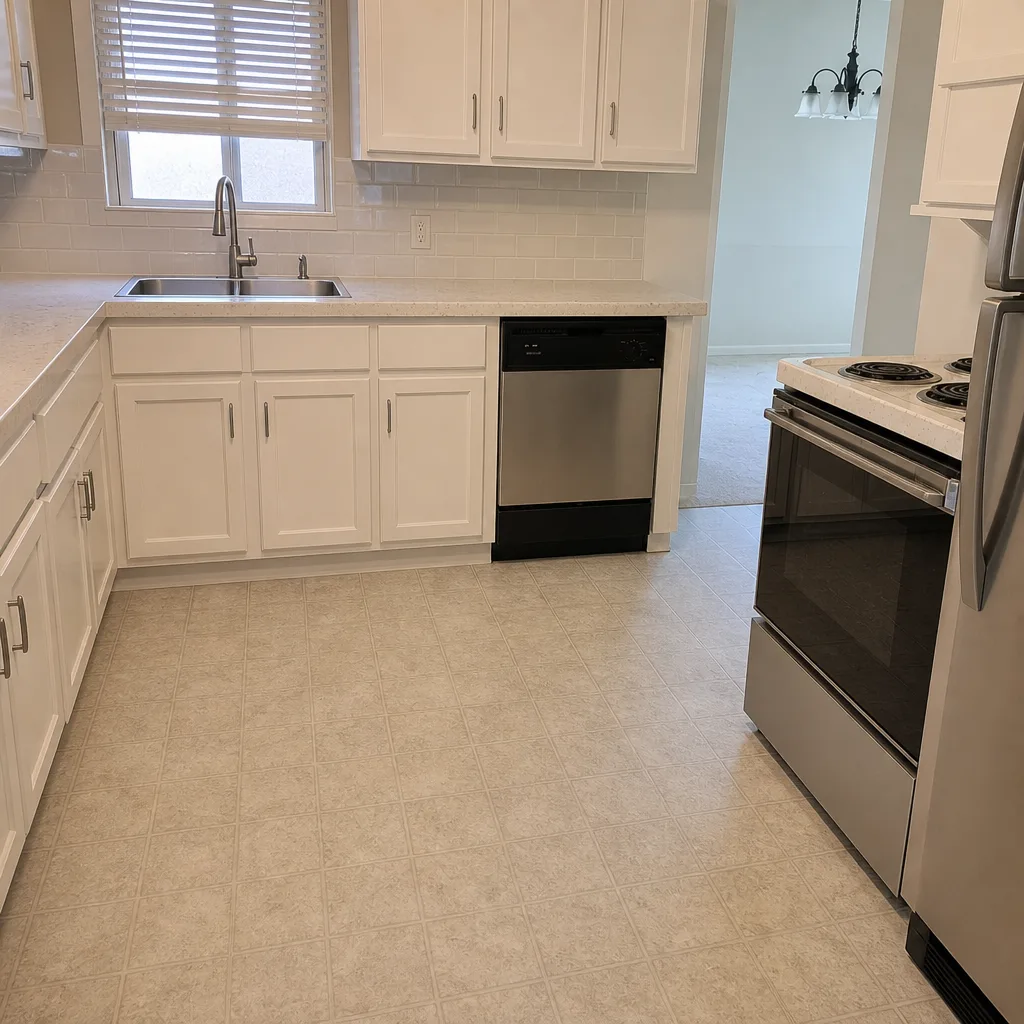 After
When to Call a Professional
Call a licensed professional the moment your scope involves any system that gets inspected, any work above the $1,000 threshold you’re paying someone to do, or any structural change. That means tile over a rebuilt subfloor, drywall finishing to a painted standard, all electrical beyond a like-for-like fixture, plumbing rough-in, and anything touching gas or load-bearing walls. It also means any older Paradise home where opening a wall might reveal code-age wiring or plumbing. Electrical and gas work are genuinely dangerous, and this is not a place for a learning curve. Sawyer Remodeling Paradise offers free estimates in Paradise – call (866) 977-0526 and we’ll tell you straight which parts are worth doing yourself and where a license is required.
Frequently Asked Questions
Yes, if a single project exceeds $1,000 in combined labor and materials and someone else performs the work. Nevada’s $1,000 threshold means most paid remodels require a licensed contractor, and unpermitted work can jeopardize your insurance coverage. Call (866) 977-0526 and we’ll help you figure out where your scope lands.
You can legally do electrical work on your own home as an owner-builder, but the work still needs a permit and inspection, and DIY electrical has among the highest inspection-failure rates of any scope. Given the genuine shock and fire risk, we recommend a licensed electrician for anything beyond a like-for-like fixture swap. Call (866) 977-0526 for a free estimate on the electrical portion of your project.
It often costs more in the end. Desert subfloor movement and clay soils make proper prep and crack isolation essential, and a failed DIY prep means buying and installing the tile twice. Once you count re-purchased material and a redo, the savings disappear. Call (866) 977-0526 to get a written price before you buy tile.
It can narrow or void it. If homeowner prep alters the substrate a pro is working over and something fails, the warranty may point to the prep rather than the install. Tell your contractor what you plan to handle yourself and confirm what to leave untouched before they start. Call (866) 977-0526 to talk through warranty terms up front.
Fixtures, finishes, cabinetry, countertops, and appliances are the safe bets. You control the look and budget without touching permitted work. Avoid supplying anything that gets inspected, like rough-in plumbing or wiring. Call (866) 977-0526 and we’ll confirm what can be owner-supplied without affecting your warranty.
It depends on the scope, the inspection schedule, and material lead times. A permitted bathroom or kitchen typically takes several weeks once rough-in inspections and finals are built into the timeline. Call (866) 977-0526 for a written, itemized timeline and price before any work starts.
The Bottom Line
In Paradise, the DIY-versus-pro question comes down to net savings after permits, material waste, and the cost of fixing errors. Cosmetic, non-permitted work like painting, cabinet hardware, and landscaping prep is fair game and saves real money. Tile, drywall finishing, electrical, plumbing, and anything above the $1,000 threshold steps into licensed, inspected territory where DIY usually costs more than it saves. Be a smart owner-manager: supply what you can see, hire out what gets inspected, and protect your warranty by agreeing on scope before any tool comes out. Sawyer Remodeling Paradise puts the price in writing before work starts, with The Relay Visibility Guarantee behind every job and material partnerships like KraftMaid, Cambria, Kohler, and GAF giving you proven brands.
Ready to price your project? Call (866) 977-0526 for a free estimate – the number on your invoice is the number you approve, and estimates are always free.
Written by the team at Sawyer Remodeling Paradise.