Last updated November 17, 2026

Free written scope consultation - allowances, timeline, and change-order rules on paper before a single trade is scheduled
How to Hire a Construction Contractor in Paradise: A Step-by-Step Guide
The contractor who wins the bid with the lowest number isn’t always cheating you. But the one who can’t explain, line by line, why their number is what it is? Probably is. In our experience across Paradise, the quote that comes in $8,000 under the others usually doesn’t stay $8,000 under. It climbs back through allowances, “unforeseen conditions,” and change orders that nobody put in writing. Getting three quotes is the easy part. Reading them correctly is the skill. This guide shows you how to verify a Nevada license, decode a written quote, spot pressure tactics before work starts, and structure payments so you’re never paying for work that hasn’t happened yet – the things that actually decide whether a Paradise remodel goes well.
Quick Answer
To hire a construction contractor in Paradise, verify their Nevada license through the NSCB, get a written quote that names materials and allowance limits, confirm permits will be pulled under that license, set a payment schedule tied to completed work, and ask past clients about communication rather than scoring. The contractor who can explain their number line by line is the one worth hiring – not automatically the cheapest bid.
Styles & brands we work with
- Kitchen remodeling
- Bathroom remodeling
- Home additions & ADU
- Roofing
- Windows & doors
- Driveway & pavers
- Fence
Table of Contents
- How Do You Verify a Nevada Contractor’s License?
- What Do Nevada License Classifications Actually Mean for Your Project?
- How Do You Read a Construction Quote Line by Line?
- What Are Allowances – and How Do They Hide the Real Price?
- What Are the Red Flags in a Contractor’s Communication?
- How Should You Structure a Payment Schedule?
- What Should You Ask Past Clients That Star Ratings Won’t Tell You?
- Do You Need Permits in Paradise?
How Do You Verify a Nevada Contractor’s License?
You check the Nevada State Contractors Board (NSCB) database before you sign anything – not after. Go to the NSCB website, search by license number or business name, and confirm three things: the license is active, the classification matches your project type, and the name on the license matches the company you’re hiring. It takes about five minutes. Skipping it is how homeowners end up with an unlicensed crew doing $40,000 of work with no recourse when something goes wrong.
The NSCB also publishes complaint history and disciplinary actions. If a contractor has a pattern of unresolved complaints, that’s information you can’t get from a Google review page. A clean history doesn’t guarantee a perfect job, but an unresolved disciplinary record is a reason to walk away.
Here’s what the search should confirm before you proceed:
- Active status – the license hasn’t lapsed or been suspended.
- Classification match – the class of license fits residential remodel work, not just commercial or specialty scope.
- Business name accuracy – the name on the bid matches the name on the license. Subcontractors hired mid-project should also be license-checked for their trade.
- Bond and insurance – the NSCB record shows bond status; your contractor should also carry general liability insurance.
In Paradise, most of the housing stock was built in the 1990s and 2000s, and the remodel market here is active enough that out-of-state crews drift in for bigger jobs. A license from another state doesn’t carry over. Nevada requires its own. Check the Nevada record specifically, not the license number printed on the side of a truck.
What Do Nevada License Classifications Actually Mean for Your Project?
Nevada doesn’t issue one generic “contractor” license. The NSCB sorts licenses into classifications, and the classification on a contractor’s license determines what work they’re legally allowed to perform. A license that covers concrete work doesn’t authorize a full bathroom remodel. The classification matters as much as the active status.
For residential work, the relevant distinction is between a general contractor license and specialty classifications. A whole-home renovation, an addition, or a project that touches multiple trades – plumbing, electrical, structural, finish work – needs a general contractor’s license to manage it. Specialty trades (plumbing, electrical, tile, roofing) hold their own classifications and work within their scope.
When you’re comparing bids in Paradise, ask each contractor which classification their license carries and whether your project scope falls inside it. A contractor who hedges or redirects the question is telling you something. The license search you ran earlier should match their answer.
- Whole-home renovation: General contractor classification required.
- Bathroom remodel with plumbing and electrical relocation: General contractor, with licensed specialty trades for the plumbing and electrical work.
- Kitchen remodel with cabinet and countertop replacement, no utility moves: General contractor or appropriate specialty classification depending on scope.
- Roofing or siding only: Specialty classification for that trade.
For a bathroom or kitchen remodel in Paradise, the license question gets asked before the design conversation. If you’re planning a bathroom remodeling in Sunrise Manor or a larger renovation, the contractor’s classification and scope of work should be the first checklist item – not the last.
How Do You Read a Construction Quote Line by Line?
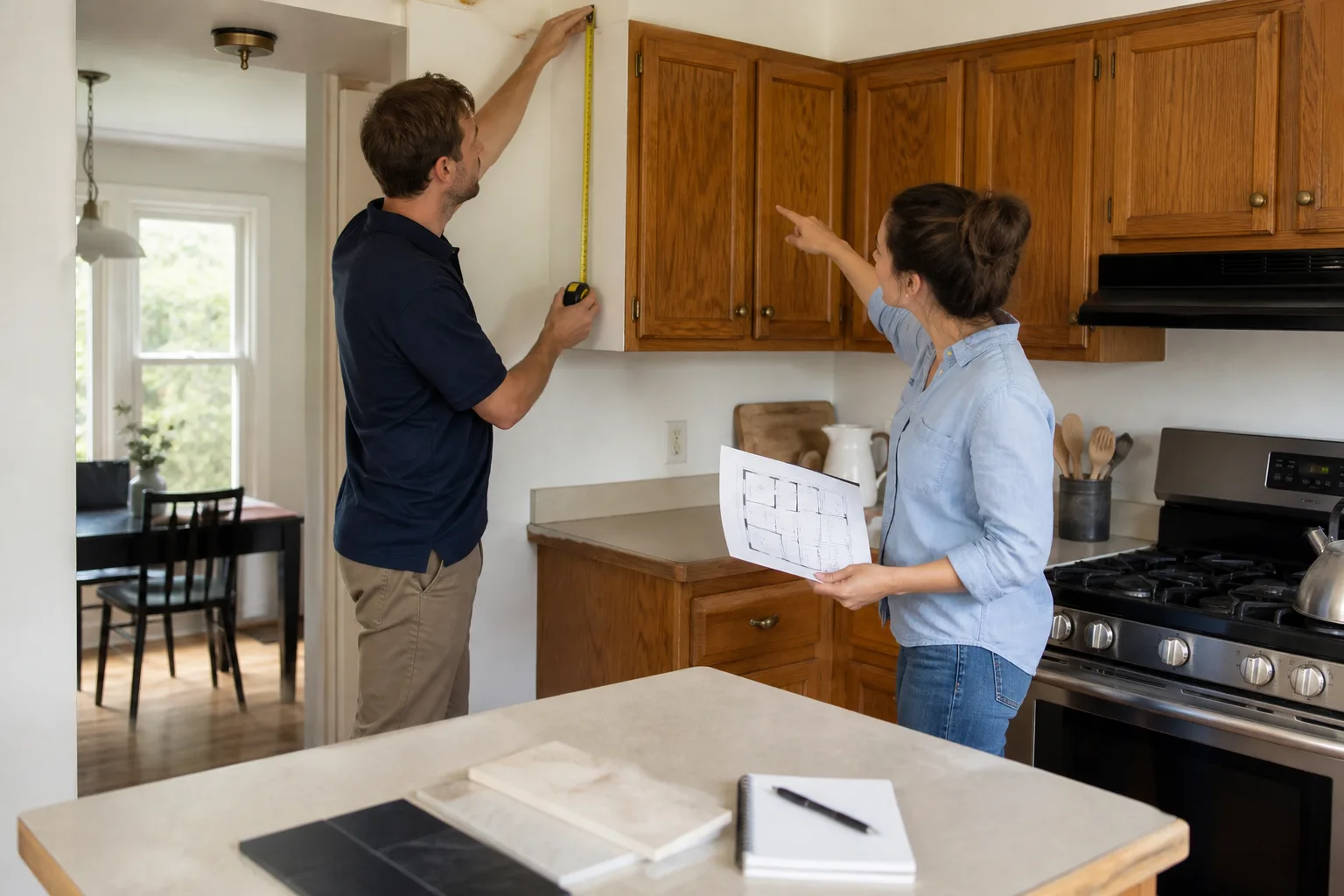
A written quote that says “bathroom remodel: $34,000” isn’t a quote. It’s a number. A real quote breaks the project into line items – demolition, framing, plumbing rough-in, electrical, waterproofing, tile, fixtures, cabinetry, countertops, finish, cleanup – and names the materials behind each line. The total at the bottom tells you what you’re paying. The line items tell you what you’re actually getting.
Read the quote for these six things before you sign anything:
- Material specifications with brand and model. “Premium tile” means nothing. “Schluter uncoupling membrane over plywood subfloor, tile from [named manufacturer], set with modified thinset” is a specification you can price and verify.
- Allowance limits and overage terms. A tile allowance of $6 per square foot is a number. If the quote doesn’t show that number, you don’t know what the finished price is – you know the starting one.
- Change-order trigger language. The quote should say exactly when a change order gets written, who signs it, and what it costs to pause work while it’s negotiated.
- Explicit exclusions. What’s not included? Permits? Dumpster? Old floor removal? The exclusions list is where surprises live.
- Timeline with milestone dates. Not “6-8 weeks” – an actual start date and rough sequence of milestones.
- Signature and date. A quote with a total but no signature is a verbal promise in a PDF.
The standard in our own work is a written price before any work starts, with change orders signed in advance and the invoice matching the number the homeowner approved. That’s not a premium add-on. It’s the baseline every bid should hit. If the quote you’re comparing against yours is vague, ask for a version with line items – a contractor who can’t produce one isn’t operating to the same standard.
For material-heavy projects like a kitchen remodeling in Sunrise Manor, the line-item quote becomes the single most important document. Cabinets, countertops, and fixtures are where allowances hide. Name-brand products – KraftMaid, Cambria, Kohler, Toto – come with manufacturer specs you can verify against an allowance figure. Generic “cabinet allowance” numbers can’t be checked against anything.
What Are Allowances – and How Do They Hide the Real Price?
An allowance is a placeholder number in a quote for a material the contractor hasn’t picked yet – tile, fixtures, countertops, lighting. It’s standard practice and often necessary on early-stage bids. But an allowance that’s set artificially low lets a contractor put a low total on paper while knowing you’ll inevitably spend more. The “quote” number is real. The finished price is not.
Example: one quote shows a $2,400 allowance for bath tile. Another shows $900. Both are for the same square footage. If you pick a mid-range tile at $8 per square foot, both projects end up costing the same at the register – but the quote with the $900 allowance looked cheaper up front and lands with a $1,500 change order. That’s the mechanism that makes a low bid “climb.”
What to demand in any quote that includes allowances:
- Allowance amounts per material – tile, fixtures, cabinets, countertops – with the unit price per square foot or per fixture.
- Language specifying who covers overage and at what rate – you at cost, or the contractor absorbing some portion.
- A pre-approval process for any material selection above the allowance, signed before purchase.
- A stated contingency range for unforeseen conditions – typically a percentage of the project cost – rather than a vague “additional costs may apply.”
In Paradise, mid-range bath tile runs roughly $6 to $12 per square foot at the showrooms around the 89119 and 89104 zip codes; a specific allowance figure rooted in real supplier pricing is easy to verify. When you’re comparing three quotes, put the allowance amounts side by side. The one with the lowest allowance number is usually the one with the highest final invoice.
What Are the Red Flags in a Contractor’s Communication?
The communication pattern before work starts tells you what the pattern will be after it starts. A contractor who takes three days to answer an email before the contract is signed will take longer once they have your deposit. The warning signs show up early if you know what you’re looking at.
Watch for these in the first few days of contact:
- Slow or vague response – texts go unanswered for 24 hours or longer, or callbacks take multiple attempts.
- Pressure to start without permits – “we don’t need a permit for this” is the single biggest red flag in Paradise residential work.
- Reluctance to provide a written quote – verbal-only pricing, or “I’ll send it over next week” that never arrives.
- No license or insurance discussion – if you have to bring it up, they weren’t going to.
- Deposit demand above 10-15% before demolition – a big upfront deposit is the primary cash-flow risk in contractor fraud.
- Pressure to sign quickly – “this price is only good today” is a tactic, not a policy.
- Inability to name the project supervisor – you should know, before you sign, who is on-site and how to reach them.
We’ve seen Paradise homeowners get burned by contractors who insisted perimeter grading work wouldn’t need an inspection – then had the county flag it mid-project, adding six weeks of delay. That call was predictable from the first conversation. If a contractor can’t explain what permit your project requires and who’s pulling it, they aren’t operating to a high enough standard for your job.
What healthy communication looks like: a project coordinator or supervisor named in writing before the contract is signed, a standard response window for questions, a photo update cadence once work begins, and a phone line that rings through to a person. The right standard is what a contractor commits to before work, not what they improvise after. The Sawyer Remodeling Paradise home page describes how that process runs on every project.
How Should You Structure a Payment Schedule?
Structure the payment schedule so no payment exceeds the value of work already completed. That single rule protects you more than any contract clause. The standard structure is a small deposit up front, then progress payments tied to defined milestones – demolition complete, rough-in passed inspection, tile installed, project close – with final payment held until punch-list items are done.
A structurally sound payment schedule for a Paradise remodel usually looks like this:
- Deposit: 10 to 15 percent at contract signing, to reserve the schedule and order materials.
- Rough-in milestone: 25 to 30 percent once framing, plumbing rough-in, and electrical work pass inspection.
- Substantial completion: 30 to 40 percent when tile, cabinetry, and fixtures are installed and functioning.
- Punch list and closeout: 10 to 15 percent held until the final walkthrough and inspection sign-off.
What to refuse: a 50 percent deposit before any material is ordered, large cash payments with no invoice, a final payment schedule that gets moved earlier mid-project, or written checks to a person’s name rather than the company or a valid business entity. Get every payment recorded on a dated invoice that shows what it paid for.
Hold-back on the final payment isn’t a sign of distrust. It’s the mechanism that gets the punch-list done in the last week. A contractor who pushes for the final payment before the walkthrough is telling you they don’t plan to come back. A written price agreed before work starts, backed by a live project tracker and digital invoice, is how the process should run.
What Should You Ask Past Clients That Star Ratings Won’t Tell You?
A five-star average tells you someone liked their countertops. It doesn’t tell you whether the contractor returned calls in week three. Ask past clients about the things that show up in the mid-project weeks, not the reveal-day photos. That’s where the useful information lives.
Ask every reference these questions:
- “How fast did they respond when something went wrong mid-project?” This reveals the real communication pattern. A reference who says “within a day, every time” is telling you something different than a reference who pauses before answering.
- “Did the final invoice match the original quote?” and “What changed and why?” – the answer to the second half is what matters.
- “Who actually showed up to do the work – the person you met at the bid, or someone else?” Subcontracting is normal; unexplained subcontracting isn’t.
- “Did they pull the permits themselves, or ask you to?” A homeowner pulling their own permits carries more risk than it’s worth.
- “Would you hire them again for the same scope of work?” – a softer landing that still gets a useful answer.
Two references is a minimum; three is better. Ask for a reference from a project completed at least six months ago – that’s when the long-term results show up. A reference from a job that wrapped two weeks ago only guarantees they liked the reveal-day result. Six months out, you’re hearing about the parts of the process that actually revealed the contractor’s habits.
Our own process builds these questions into the relationship before you have to ask: a live arrival time, photo updates before and after, and a written price before work starts. When we ask past clients for references, we know what they’re likely to say because we’ve structured the project to make those answers normal.
Do You Need Permits in Paradise?
Most residential remodel work in Paradise requires a permit – bathroom remodels that move plumbing or electrical, kitchen remodels with new circuits or gas lines, structural changes, additions, roofing, and siding. Finish-only work, like replacing cabinets without utility changes or repainting, typically doesn’t require a permit. The rule is: if the work touches systems or structure, it needs to be inspected.
Why this matters in Paradise specifically: the county tracks permit history, and an unpermitted remodel gets flagged at resale or at the next inspection. That flag can turn into a retroactive permit application, an inspection of construction the county never saw, and a repair bill if the inspection fails. The cost of doing it right is measured in days. The cost of doing it wrong is measured in thousands.
Ask every contractor you interview a direct question: “Will you pull the permit under your license, and will the inspections pass before final invoice?” A contractor who deflects, or says “we can skip the permit for something this small,” is telling you they don’t intend to have the work inspected. That’s a reason to keep looking.
For a whole-home renovation, the permit scope expands – plumbing, electrical, mechanical, and structural trades each require their own inspection. A licensed general contractor in Paradise coordinates the permit pulls and inspections under their own license, not yours. That’s what a general contractor license is for. You can see how that works at the General Contractor in Sunrise Manor page, or check the county’s building department site for current processing times in your zip code.
Common Mistakes to Avoid
- Hiring the lowest bid without reading it. The cheapest quote is usually cheap because an allowance is set low or an exclusion is buried in the fine print. Compare line items, not totals.
- Not verifying the license on the NSCB site. Nevada’s license database is public and searchable. Five minutes of checking is the difference between recourse and a very expensive lesson.
- Skipping the allowance numbers. A quote with a $900 tile allowance and a quote with a $2,400 allowance aren’t the same even if the totals look close.
- Paying more than 15 percent before demolition starts. Large cash deposits give a contractor leverage they shouldn’t have. Pay for work as it’s completed, not before.
- Accepting “we don’t need a permit” without asking why. In Paradise, most remodels need permits. A contractor who wants to skip them is offering you a liability, not a shortcut.
- Calling only two references. Ask for at least three past clients, ideally from jobs that wrapped six months or more ago, and ask about mid-project communication, not the finished photos.
- Never getting the change-order process in writing. A quote should say who signs a change order, when work pauses, and what happens to the price. If the quote doesn’t say, you’re negotiating from behind.
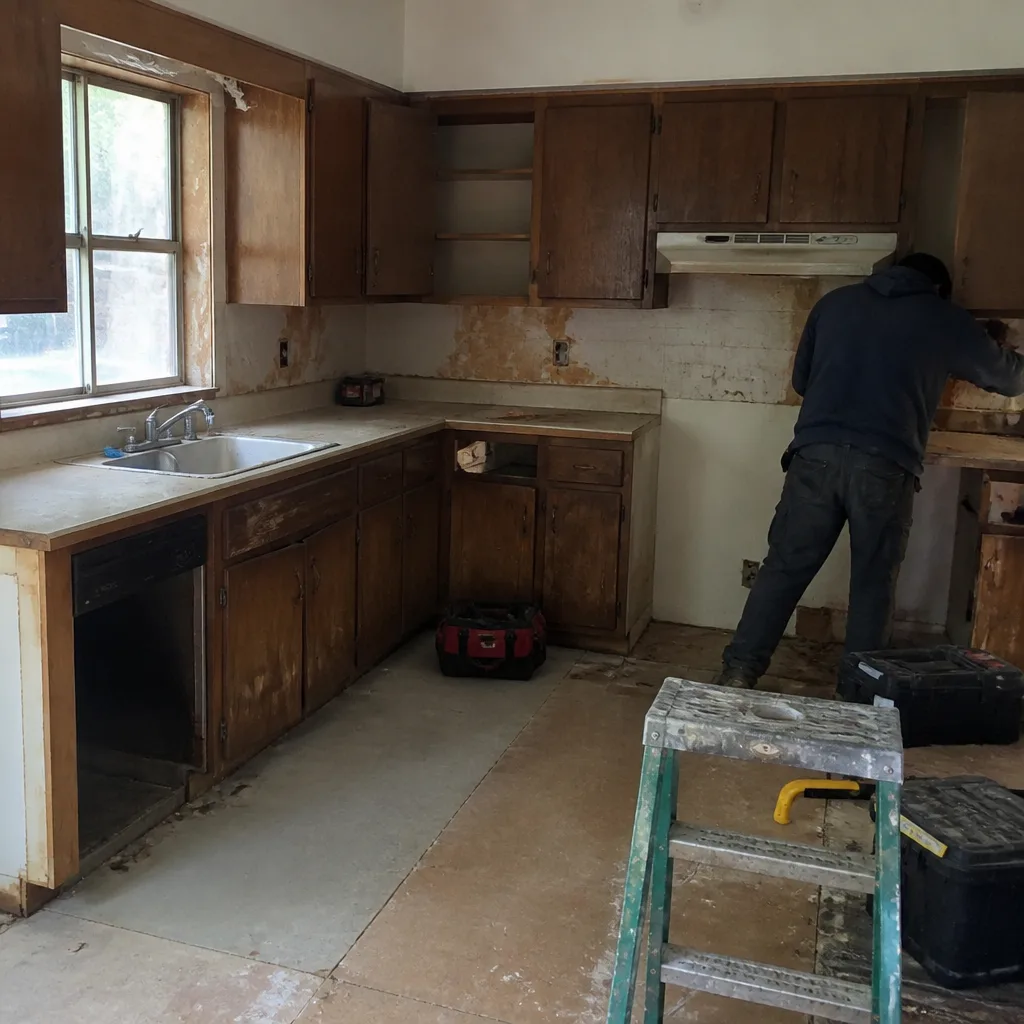
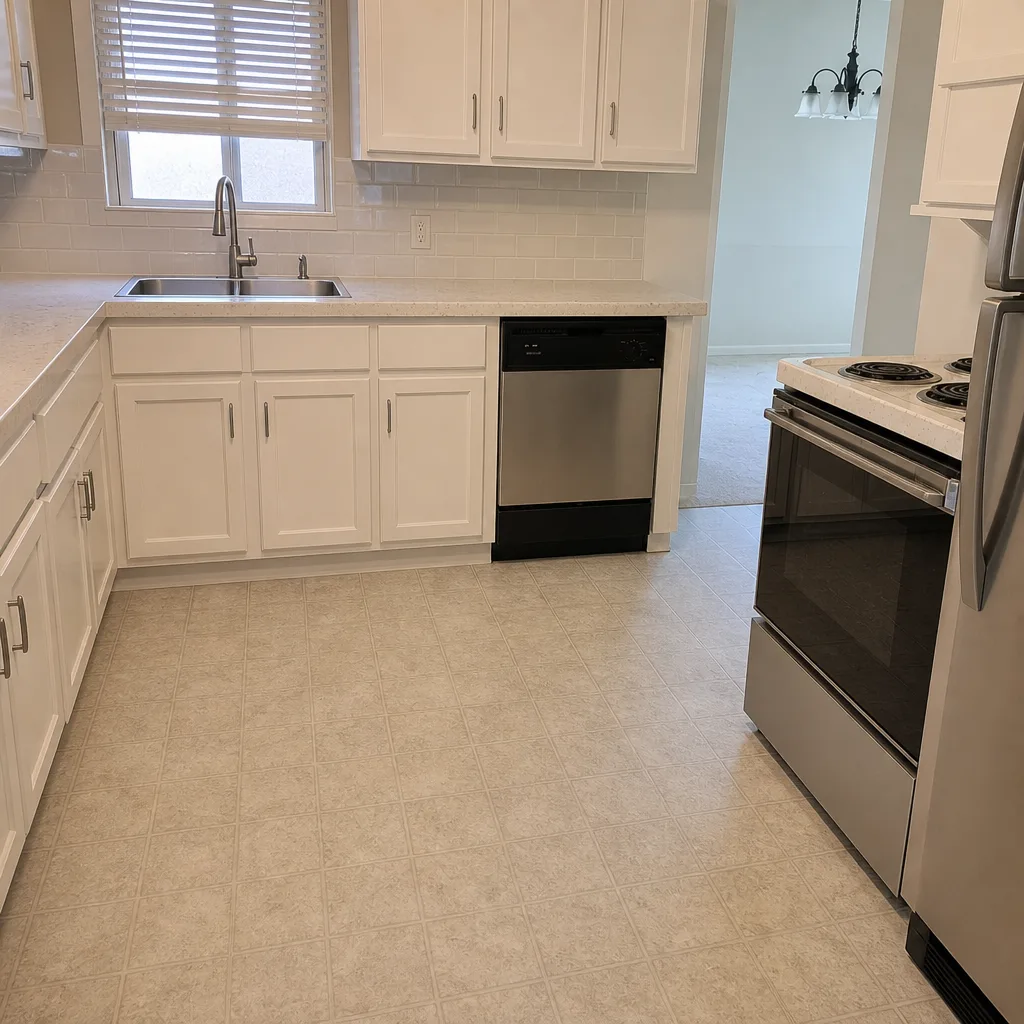
See the difference
 Before
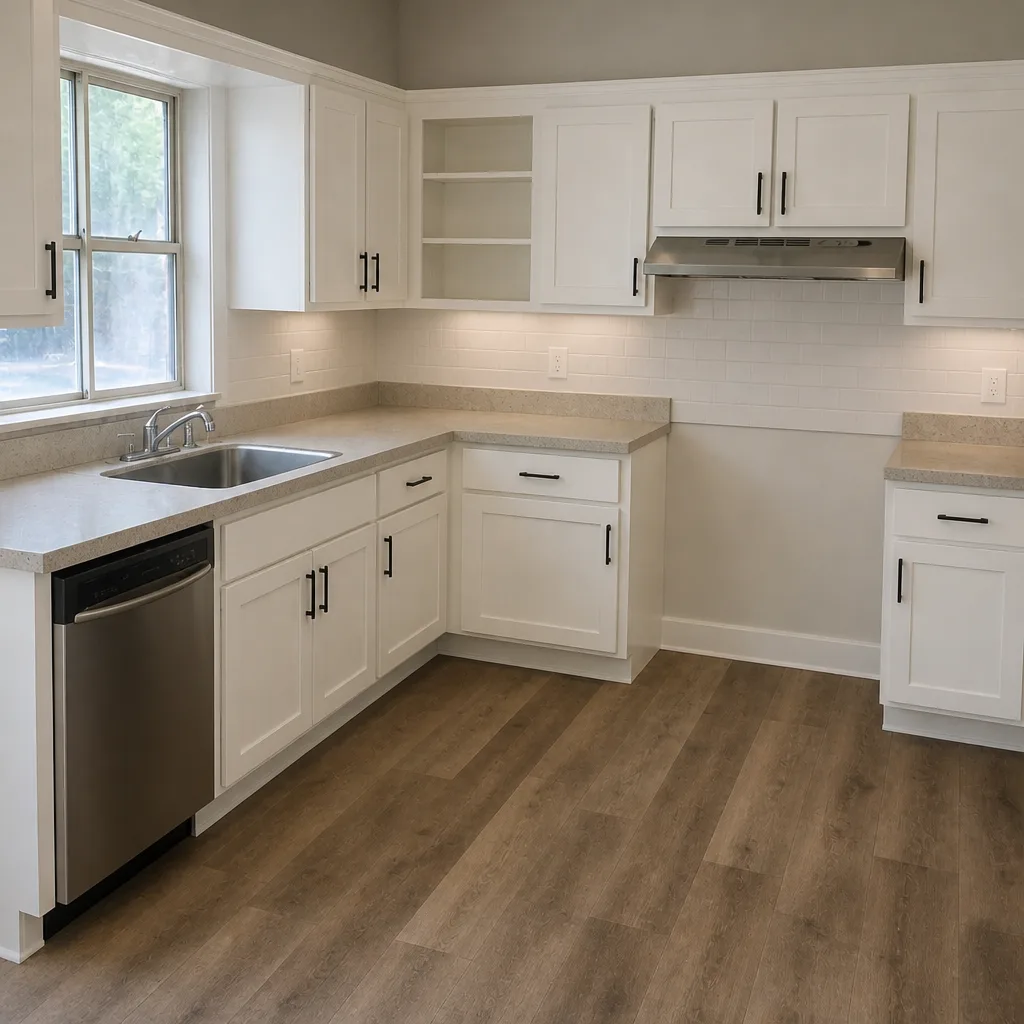 After
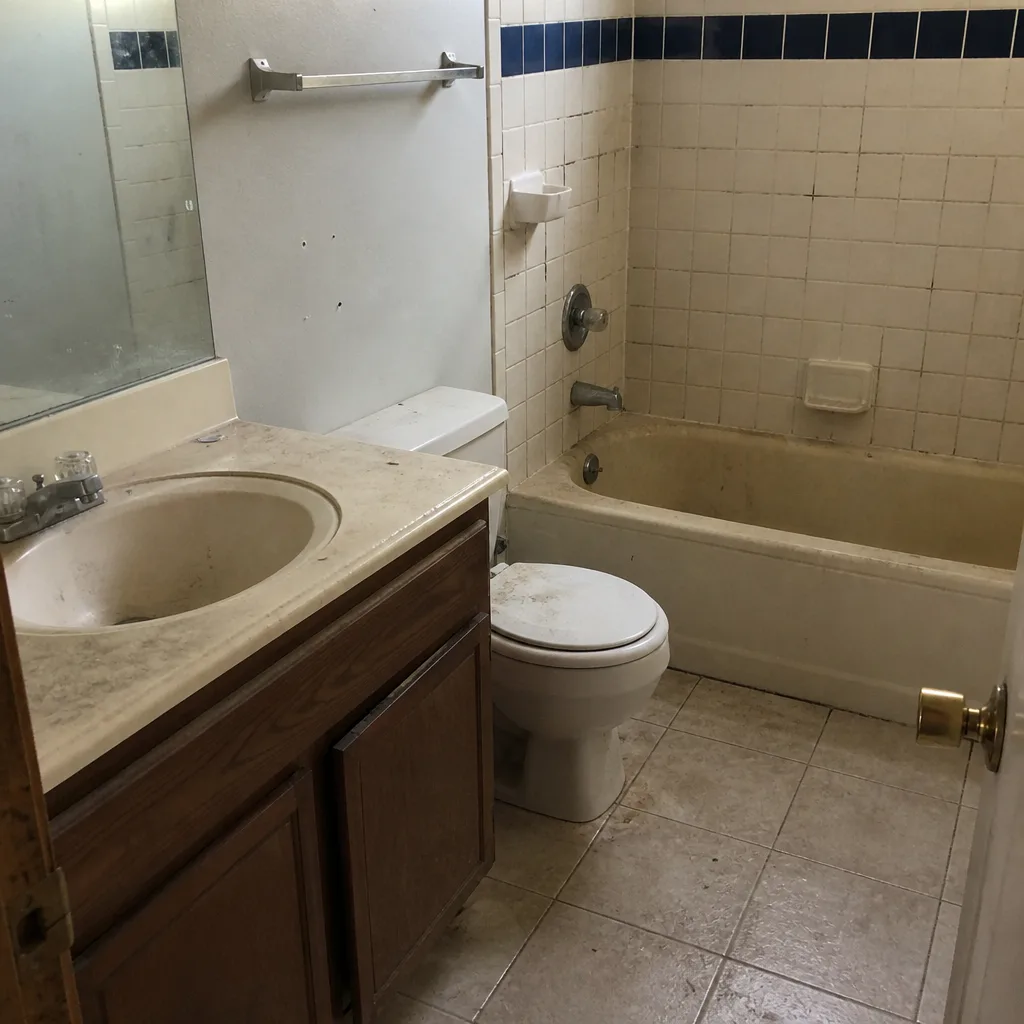 Before
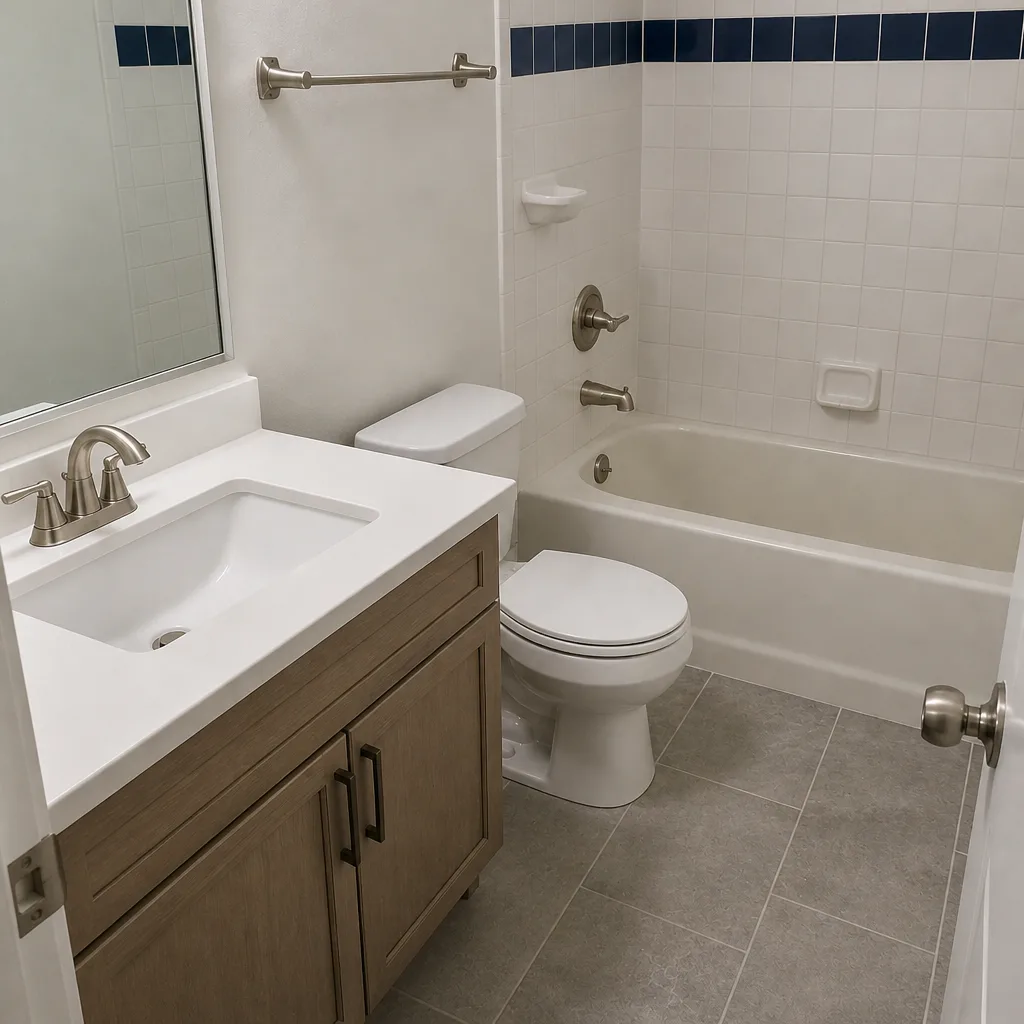 After
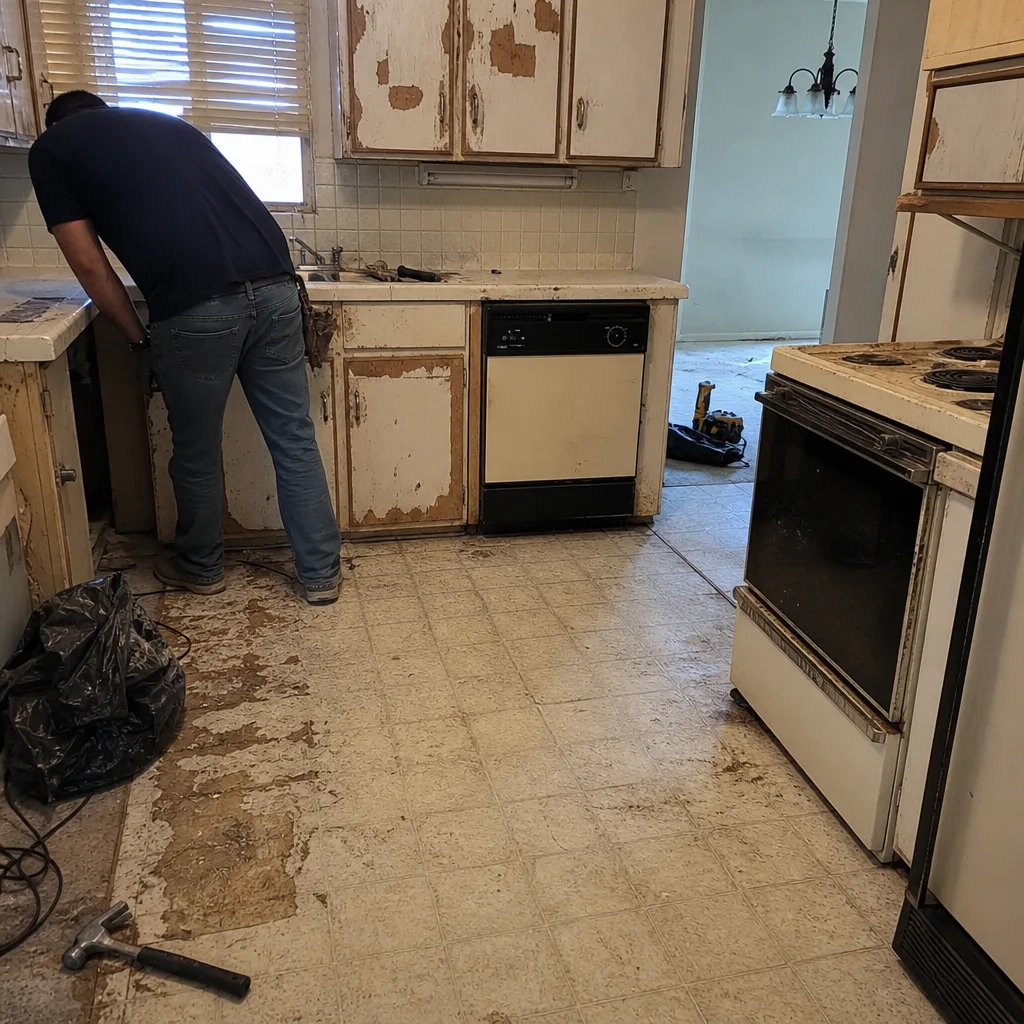 Before
 After
When to Call a Professional
Call a licensed professional contractor when any of these are true: the project touches plumbing, electrical, or gas; the work involves removing a wall; you’re replacing a roof or adding siding; or you’re in a remodel that will run more than two weeks. These are the projects where an unlicensed crew turns a $12,000 job into a $30,000 correction. Permits and inspections also require a licensed contractor to pull under their own license. The moments that most often trigger a call for us: a failing bathroom that needs a full re-pipe, a kitchen that needs a gas line moved, and an aging exterior that needs new James Hardie siding under a properly permitted pull.
Sawyer Remodeling Paradise offers free estimates in Paradise – call (866) 977-0526 and we’ll walk through your project, including a written price before a tool is picked up.
Frequently Asked Questions
Usually yes, if the work moves plumbing, electrical, or the footprint of fixtures. Finish-only updates like cabinet and counter replacement without utility changes may not require one. Ask the contractor to confirm in writing which permits apply to your specific scope, and call (866) 977-0526 for a free estimate that includes the permit scope.
Search the Nevada State Contractors Board (NSCB) database by license number or business name. Confirm the license is active, the classification fits your project, and the business name matches the bid. A five-minute check is the best protection you have. Call (866) 977-0526 for a free estimate from a licensed, insured contractor.
Ten to 15 percent at signing is standard. Anything above 20 percent before demolition starts is a cash-flow risk, and any contractor asking for cash without an invoice is a hard stop. Base every payment on work completed. Call (866) 977-0526 for a free estimate with a written payment schedule.
It shouldn’t. A written quote with clear allowances, named materials, and change-order terms protects the price. If a contractor’s quote has vague material lines, the price will climb through allowances and change orders. Call (866) 977-0526 and we’ll give you a written price before work starts – the number you approve is the number on the invoice.
Material specifications with brand names, allowance limits, change-order terms, exclusions, a project timeline, and a signature line. A quote with a total but no line items is a guess. Call (866) 977-0526 for a free estimate with a full line-item quote.
You can verify a license, request three quotes, and confirm references in about a week if you’re organized. Permit processing in Paradise adds time depending on scope – a bathroom typically moves faster than a whole-home renovation. Call (866) 977-0526 for a free estimate and we’ll sequence the permit timeline with the project schedule.
The Bottom Line
Hiring a contractor in Paradise isn’t about collecting three quotes and picking the cheapest. It’s about checking the license on the NSCB site, reading the quote line by line, verifying the allowance numbers, watching the communication pattern in the first 72 hours, structuring payments so you pay for work completed, and asking past clients about mid-project communication rather than final photos. The contractor who can explain their number is the one worth hiring. The one who can’t explain it – but whose total is the lowest – is the one whose final invoice will be highest.
Call (866) 977-0526 to schedule your free estimate in Paradise. We’ll walk through your project, put the price in writing before any work starts, and confirm the permit scope in the same conversation. That’s how Sawyer Remodeling Paradise runs every job.
Written by the team at Sawyer Remodeling Paradise.