Last updated November 17, 2026


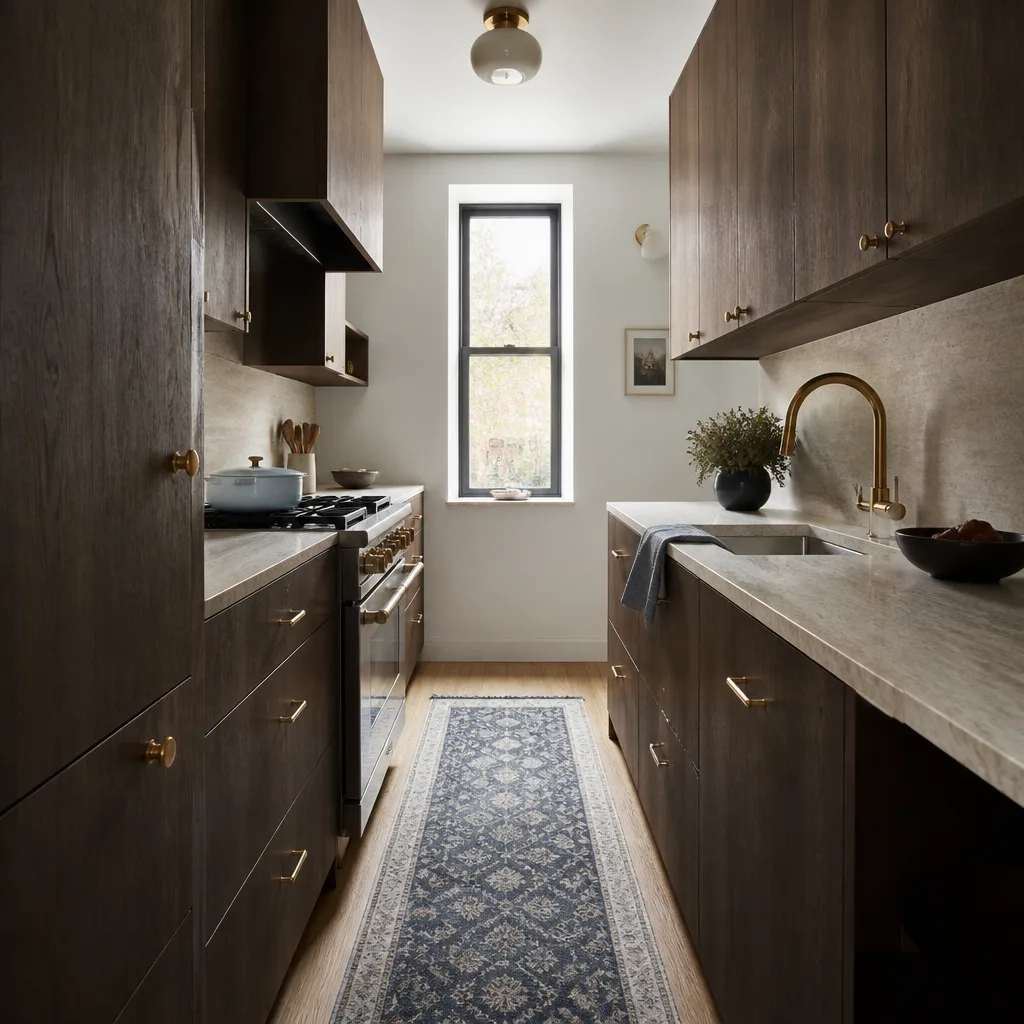




Free written scope consultation - allowances, timeline, and change-order rules on paper before a single trade is scheduled
Kitchen Remodeling Warning Signs Every Homeowner Should Know
A contractor who can’t tell you today’s install date three days out isn’t disorganized. They’re overbooked, and your project is already the one getting deprioritized. That’s the uncomfortable truth about kitchen remodels: by the time the invoice dispute arrives, the damage was set weeks earlier, in how the contractor quoted, communicated, and scheduled. In our experience working kitchens across Paradise, the warning signs show up long before demo day. This guide teaches you to read the job before the job starts, so you can spot a bad fit while you still have leverage.
Quick Answer
The biggest warning signs of a bad kitchen remodel contractor are a lump-sum quote with no line items or permit line, slow responses during the sales phase, and vague answers about scheduling. Each of these predicts problems after signing. A contractor who hides the price breakdown, dodges permit questions, or can’t name an install date is telling you how the whole job will run. Read the quote and the communication first, because that’s where trouble starts.
Styles & brands we work with
- Kitchen remodeling
- Bathroom remodeling
- Home additions & ADU
- Roofing
- Windows & doors
- Driveway & pavers
- Fence
Table of Contents
- Red Flags in the Quote Itself
- Communication Patterns That Predict Ghosting
- Scheduling Signals You Can Read Before Signing
- On-Site Warning Signs During Demo
- Subcontractor Swaps Mid-Project: Routine or Trouble?
- Legitimate Change Orders vs. Verbal Upsells
- Permit and Code Red Flags in Paradise
- The Paper Trail That Protects You
Red Flags in the Quote Itself
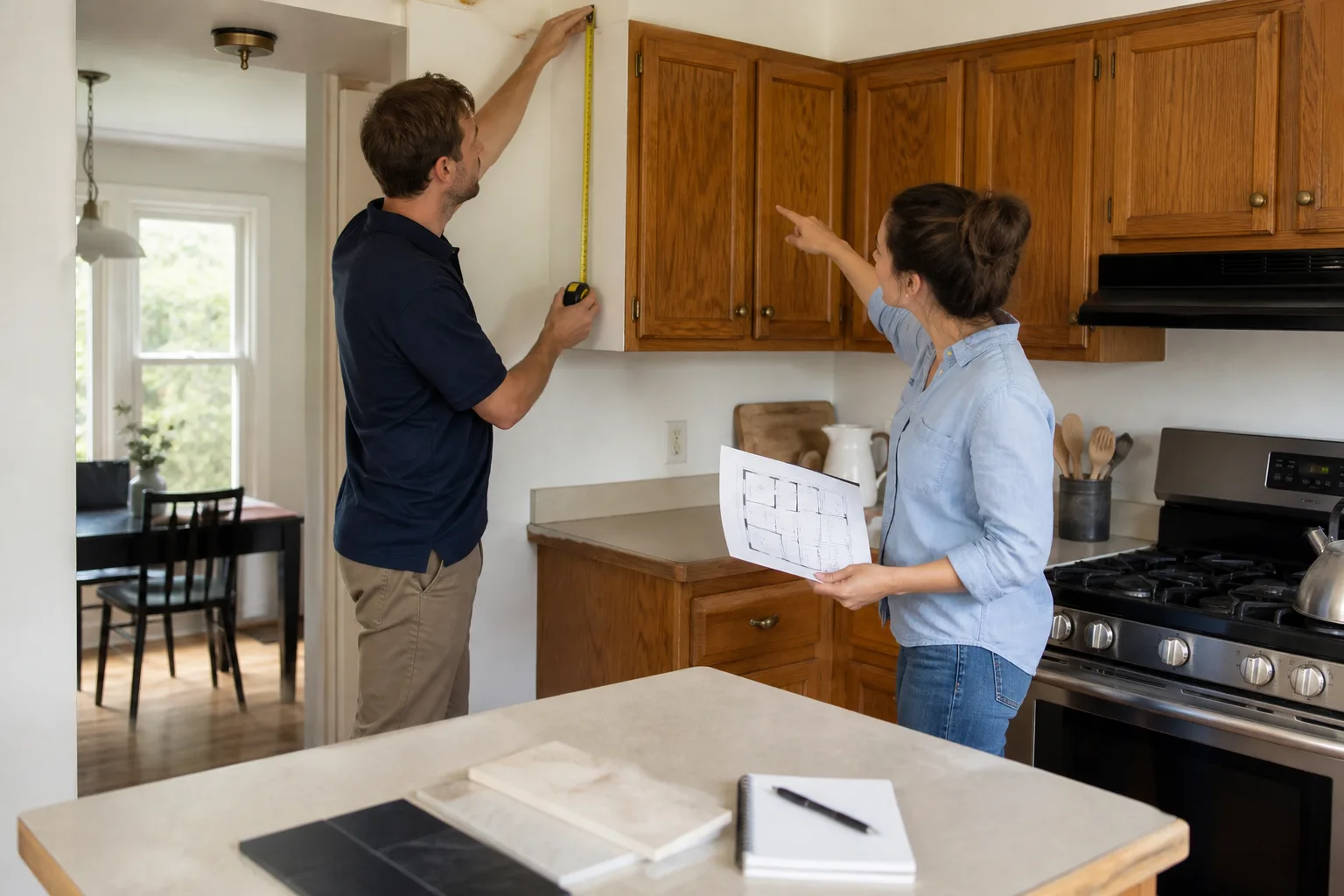
A kitchen quote is a document you should be able to read line by line, and if you can’t, that’s the first warning. The clearest sign of a contractor heading off the rails is a lump-sum bid: one number for the whole kitchen with no breakdown of labor, materials, cabinetry, countertops, or permits. A lump sum gives you nothing to check against and gives the contractor room to move money around later. When a number is vague up front, the surprises land on your invoice.
Here’s what a trustworthy quote shows, and what a bad one hides:
- Line items for labor and materials: cabinetry, countertops, tile, plumbing, electrical, and finish work each broken out.
- Allowance categories: a stated dollar amount for items you’ll select later, like tile or fixtures, so overages are predictable, not shocking.
- A permit line: the cost of pulling permits spelled out. In Paradise, a kitchen with new electrical or plumbing runs needs permits, and the quote should show that cost rather than bury it.
- Brand and model names: we specify cabinets like KraftMaid or Wellborn and countertops from Cambria or Caesarstone, because a named product has manufacturer backing behind it. A quote that says “premium cabinets” without a brand is a quote you can’t compare.
When you call for an estimate, ask for a written price before any work starts. It should land in your hands as a line-item document, not a verbal ballpark. If a contractor resists putting the breakdown in writing, that’s your answer. See how a kitchen remodeling in Sunrise Manor project is scoped line by line for a sense of what good looks like.
Communication Patterns That Predict Ghosting
How a contractor responds during the sales phase is the best predictor of how they’ll respond after you sign. The pattern is almost always worse once the deposit clears. A contractor who takes three days to answer a question before the contract is often unreachable once the deposit is paid, because now they have your money and their attention moves to the next sale. Test them quietly: send a question by text and time the reply.
Specific communication red flags to watch for:
- Slow replies before the deposit: if a simple question takes days, every decision mid-project will stall the same way.
- No written confirmations: verbal promises about arrival times or material dates that never show up in a text or email.
- Voicemail-only contact: a company you can only reach through a callback queue tells you who answers when something goes wrong.
- Vague answers about who’s coming: a real contractor can tell you the name of the crew lead, the arrival window, and the install date before the job starts.
This is where The Relay Visibility Guarantee earns its keep: a live arrival time, photo updates before and after, and a written price before a single tool is picked up. A contractor who can’t offer that kind of visibility is one you’ll be chasing.
Scheduling Signals You Can Read Before Signing
Scheduling is where overbooking hides in plain sight. A contractor who can’t give you today’s install date a few days out, or who keeps pushing the start “to next week” without a reason, is overbooked. When a company books more jobs than it can run, the newest client is the one that gets bumped, and bumping becomes a habit. Ask for the actual dates for demo, cabinet install, countertop template, and final walkthrough before you sign.
Walk through the timeline in this order and get each date in writing:
- Demolition day and the crew assigned.
- Rough-in dates for plumbing and electrical, plus the inspection that follows.
- Cabinet delivery and install window.
- Countertop template after cabinets are set, then fabrication and install.
- Final punch list and your walkthrough with the written guarantee.
A confident contractor gives you those dates without stalling. One that shuffles them around during the sales phase is already telling you the project will be delayed. Plan for a kitchen remodel to run weeks, not days, and expect the schedule to be honest about that – nobody remodels a kitchen same-day. For a broader look at how scheduling fits a whole-home project, the Sawyer Remodeling Paradise home page lays out the process.
On-Site Warning Signs During Demo
Demo is when hidden damage surfaces, and how a contractor handles it tells you everything. Old houses in Paradise regularly hide surprises behind the drywall: water damage under a defunct dishwasher, rusted shutoff valves, or wiring that wasn’t up to code. A good contractor stops, shows you the problem with a photo, explains the fix, and puts the added cost in a written change order before proceeding. A bad one patches over it or quietly adds the work to the bill.
Red flags during demolition:
- Hidden damage covered up without disclosure: if you never see the water stain or the bad valve, you never got the chance to approve the repair.
- No photos of the opened walls: before-and-after photos are the standard, and missing photos during demo are a warning.
- “We’ll deal with it later”: deferred problems compound. A wet subfloor becomes a failed floor six months out.
- Workers who can’t tell you what they’re installing today: an unsupervised crew on a job that’s being deprioritized.
In our experience across Paradise, kitchens built in the 1990s frequently need their shutoff valves and supply lines replaced once the walls open up. A contractor who flags that before you ask is the one to keep.
Subcontractor Swaps Mid-Project: Routine or Trouble?
A subcontractor swap is routine when the plumbing and electrical trades rotate out as their phase finishes. It’s a warning sign when the crew on the job changes for no stated reason, or when the cabinet installer you met disappears and a stranger shows up without an introduction. Licensed subcontractors are normal and necessary; unexplained turnover usually signals the general contractor is in financial or staffing trouble.
How to tell the difference:
- Routine: the same GC lead stays on the job, introduces the sub, and the sub is licensed and briefed on the plan.
- Warning: the lead changes more than once, subs can’t answer questions about the scope, or nobody knows who’s coming tomorrow.
- Warning: the crew says they haven’t been paid, or materials keep arriving short.
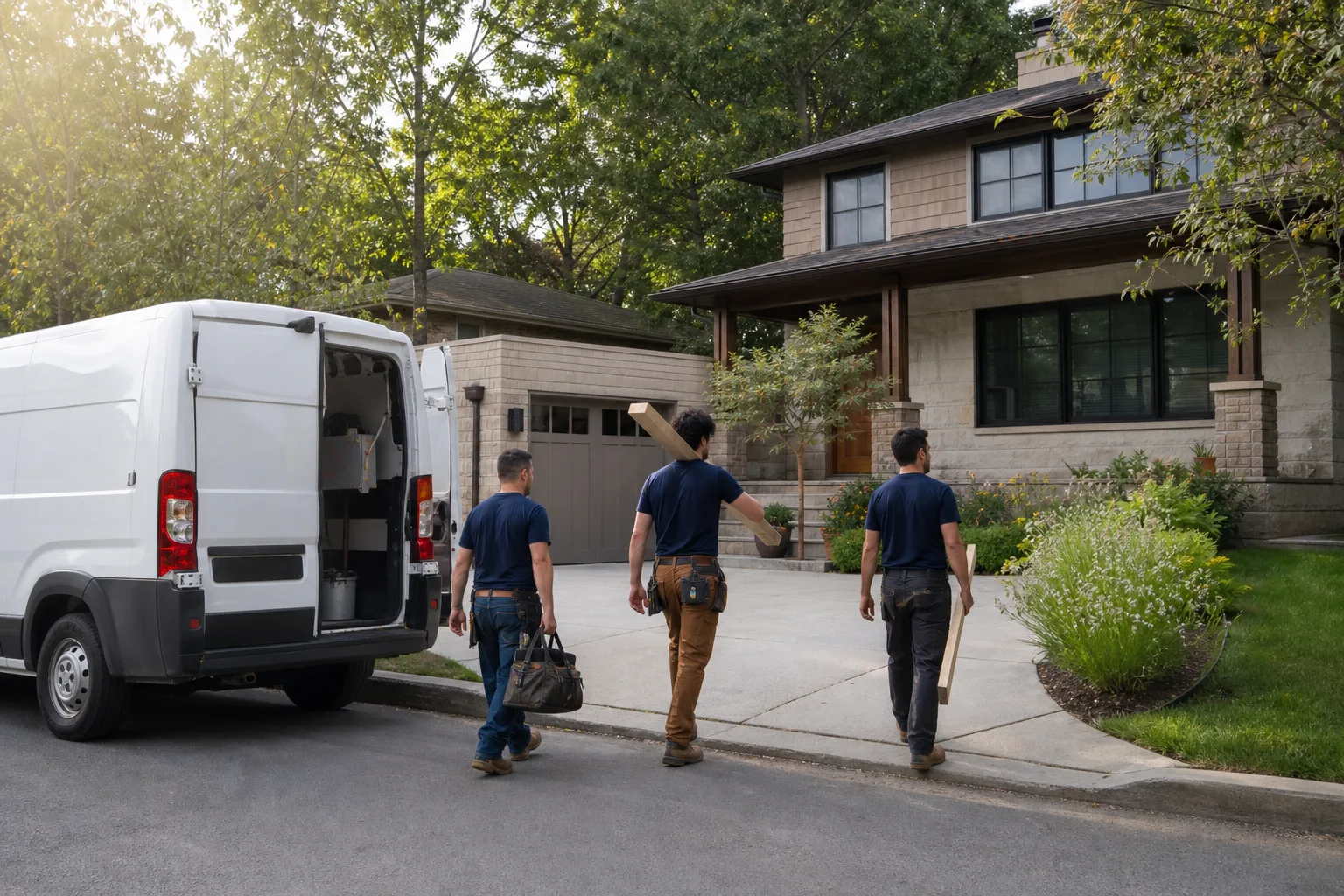
Background-checked, uniformed technicians are part of how a serious contractor operates, so you know exactly who is walking into your home before they arrive. If the people on your job change without explanation, ask why. For how to vet a GC before the contract, the general contractor in Sunrise Manor page covers the right questions.
Legitimate Change Orders vs. Verbal Upsells
A change order is a written document that states the added work, the added cost, and the revised timeline, and you sign it before the work is done. A verbal “while we’re in there” upsell is the same idea with no paper, which is how a job that started at one price ends at another. The difference matters because one protects you and the other protects the contractor.
What a real change order contains:
- The specific added scope, in plain words (“replace corroded shutoff valves, both sinks”).
- A dollar amount for labor and materials, itemized.
- Any schedule change and the new dates.
- Your signature before the work starts.
If someone suggests extra work with “we can just add it to the bill,” stop and ask for it in writing. No-hassle upfront pricing means the number on the invoice is the number you approved. A contractor who won’t put an add-on in writing is one who plans to surprise you. Compare that to a bathroom remodeling in Sunrise Manor job, where written change orders work exactly the same way.
Permit and Code Red Flags in Paradise
Permits are the paper trail that proves the work is safe and legal, and dodging them is a serious warning sign. In Paradise, any kitchen remodel that moves plumbing or adds electrical circuits requires permits and inspections, and a contractor who suggests skipping them is putting your home at risk. Unpermitted work can fail at resale, void insurance claims, and hide dangerous wiring. Ask who pulls the permit and who meets the inspector.
Red flags around permits and code:
- “Permits aren’t needed for a cosmetic remodel”: true only if nothing structural, plumbing, or electrical changes, and the contractor should be able to explain which category your job is in.
- No inspection schedule: permits come with inspections, and a contractor who skips them isn’t pulling the permit.
- Cash-only and no license: an unlicensed contractor can’t pull permits and won’t be around for warranty work.
We’re licensed and insured, and we pull permits and pass inspections on every job that needs them. Our technicians have up to 21 years of experience reading what a Paradise kitchen needs before demo starts.
The Paper Trail That Protects You
The best defense against a bad remodel is a written record of everything before the first tool is picked up. Your contractor should hand you a line-item quote, a written schedule, a permit plan, and a written guarantee that spells out what happens if something isn’t done right. The 365-Day Done Right Promise means if it’s not done right, we make it right, and it’s backed in writing on every project so there’s no argument later.
Documents to collect before signing:
- A written quote with line items and allowance categories.
- A written timeline with named dates.
- The permit plan and who pulls it.
- A written guarantee covering what the builder will fix and for how long.
- A digital invoice you can pay from a link, so the payment record is clear.
See how a full renovation is documented start to finish on our Sawyer Remodeling Paradise home page. That paper trail is what separates a professional from a handshake and hope.
Common Mistakes to Avoid
- Signing a lump-sum quote. Without line items, you have no way to catch overcharges or compare bids. Demand a breakdown before the deposit.
- Ignoring slow sales-phase replies. Response lag during the sales phase gets worse after you sign, so time the replies before you commit.
- Not asking for the permit plan. In Paradise, skipping permits on a kitchen with new plumbing or electrical can cost you at resale and void insurance.
- Accepting a verbal change order. A “we’ll just add it” upsell with no written scope and price is how budgets blow up. Keep every change in writing.
- Not meeting the crew. Background-checked, uniformed technicians should be introduced, so you know who’s in your home. Unexplained turnover is a warning.
- Assuming the schedule is fixed. Book the dates in writing and confirm the install window days out, because an overbooked contractor bumps the newest client.
- Choosing on price alone. The lowest lump-sum bid is often the one with the most hidden costs; the written price is the fair comparison.
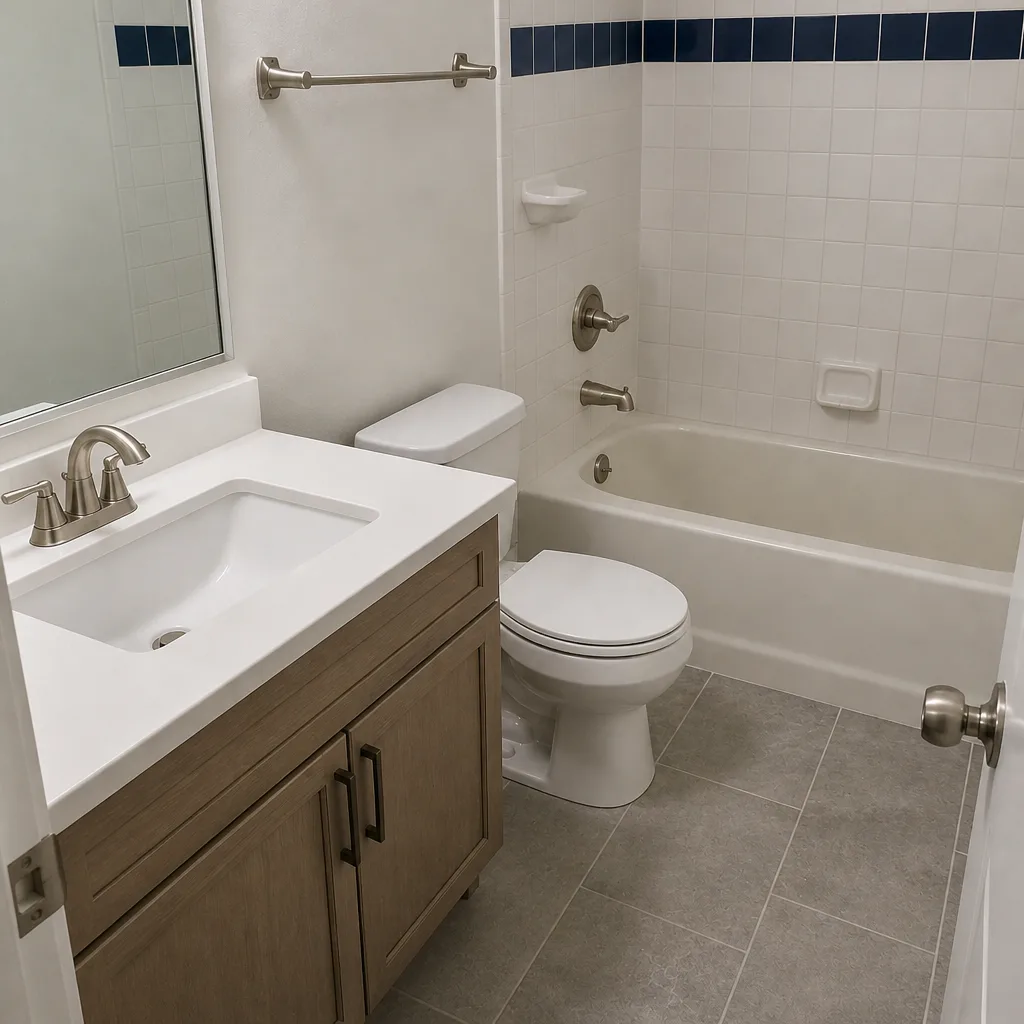
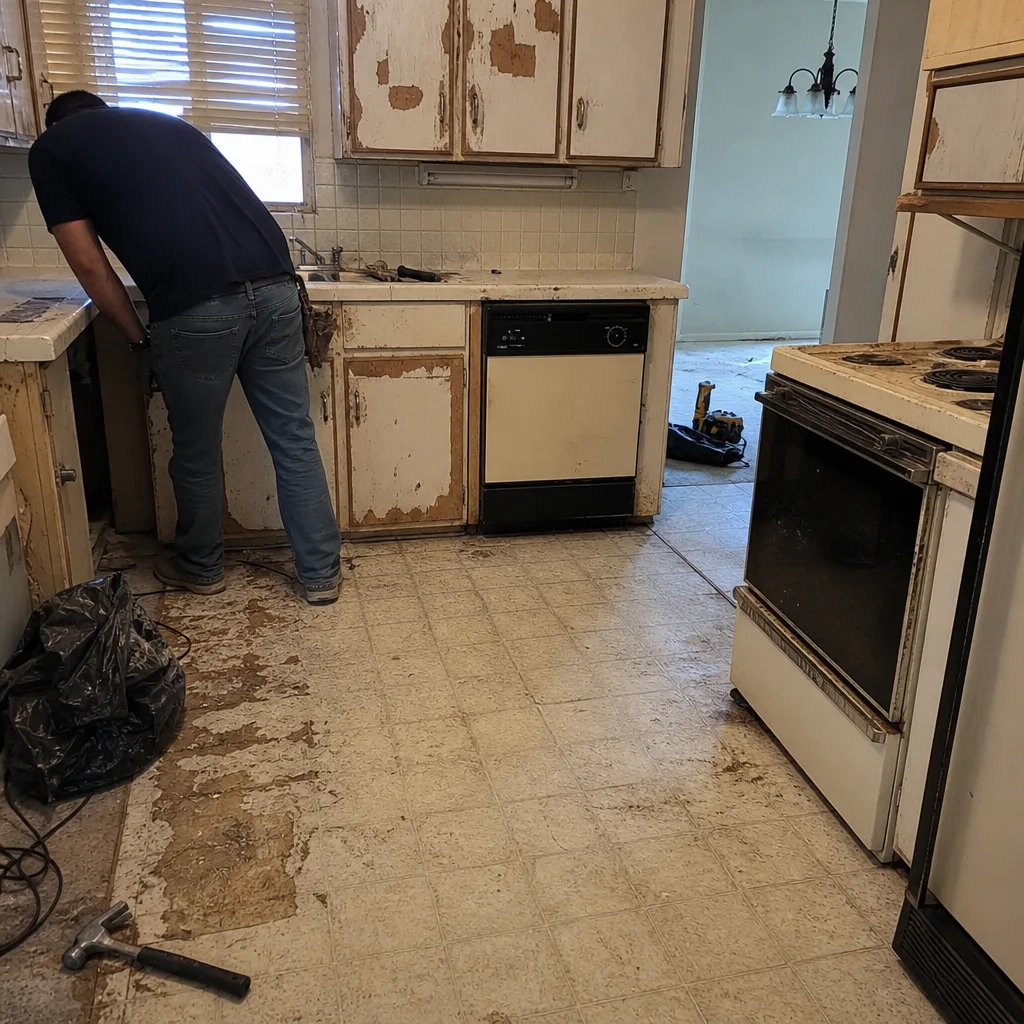
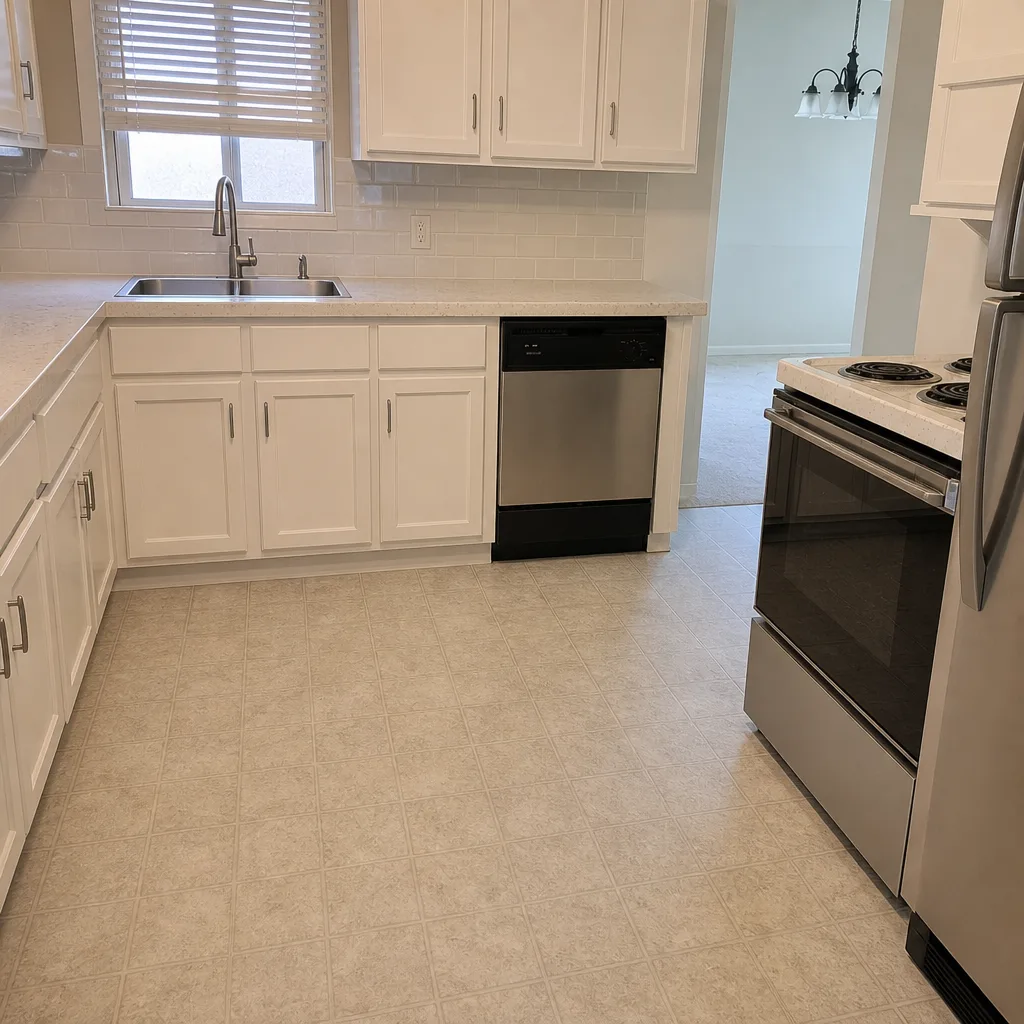
See the difference
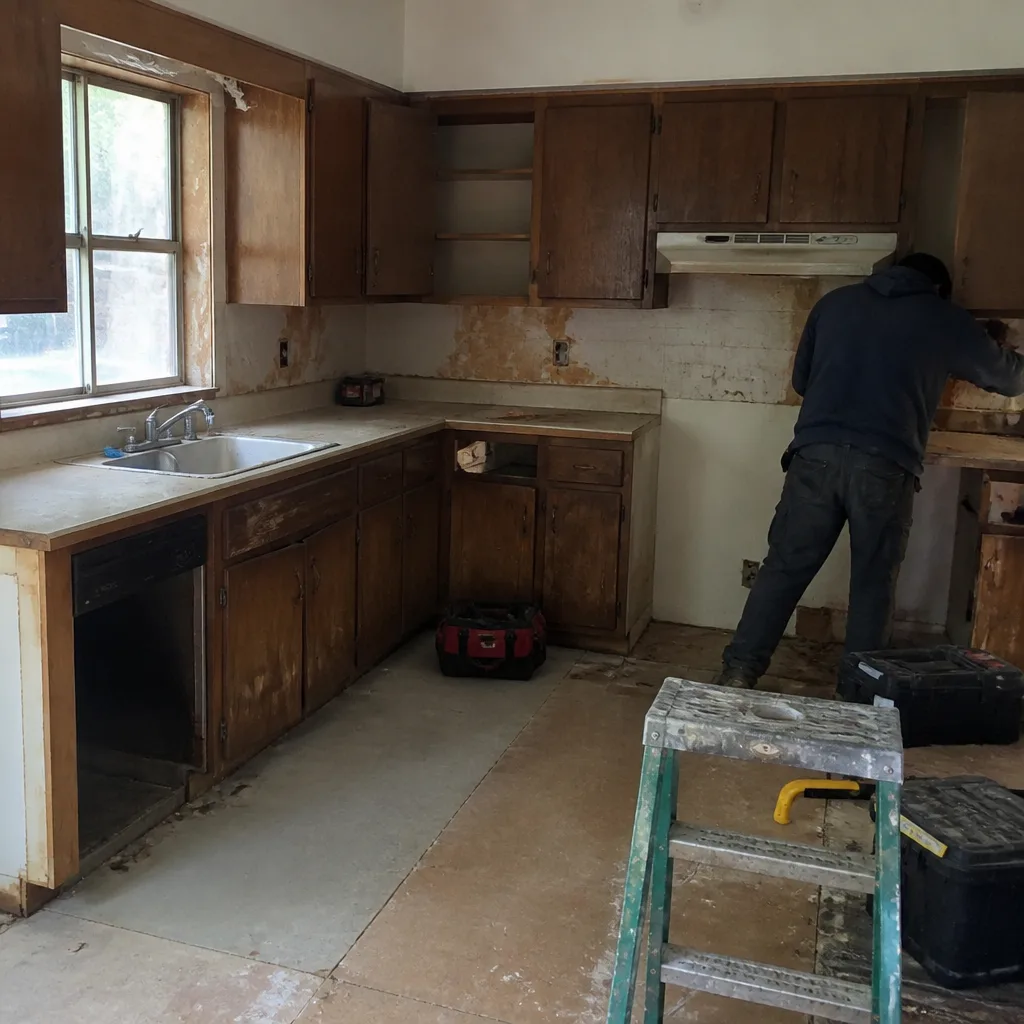 Before
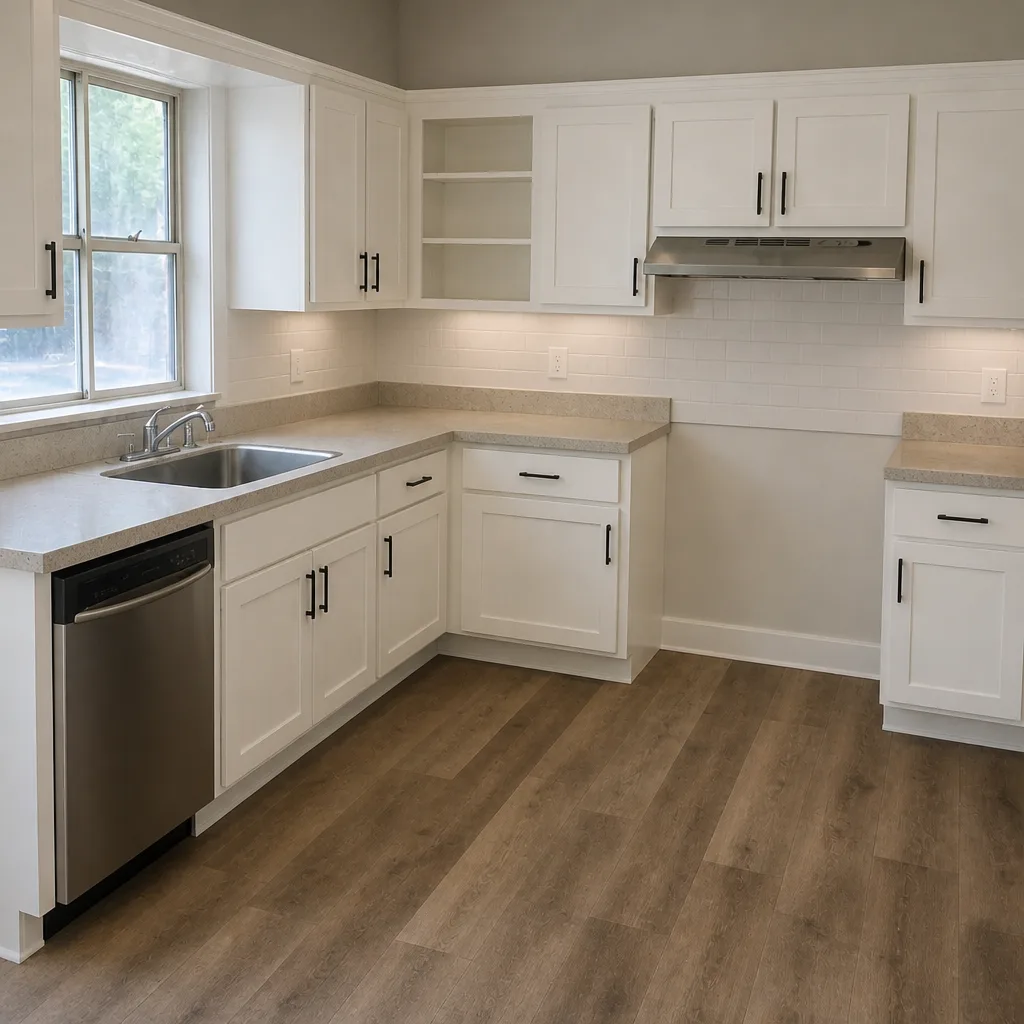 After
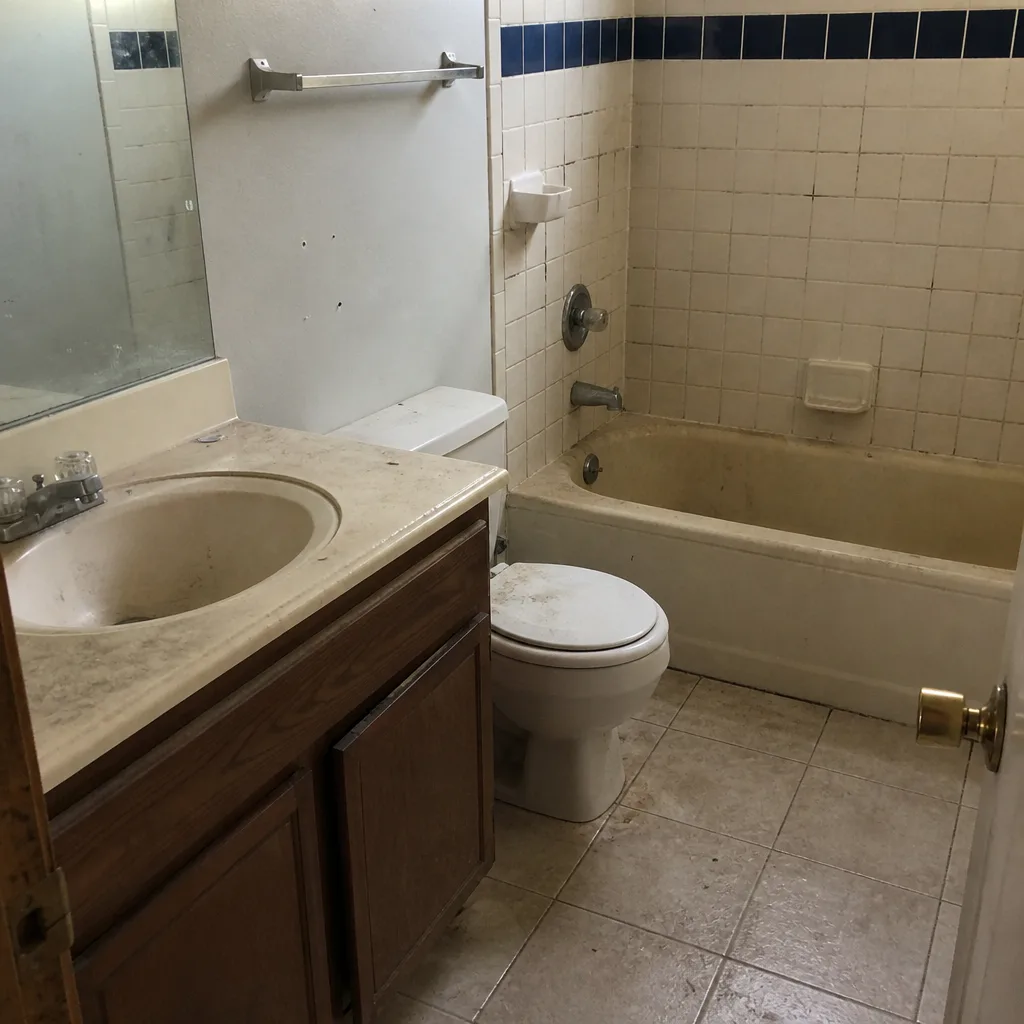 Before
 After
 Before
 After
When to Call a Professional
Call a professional the moment you see a lump-sum quote with no line items, a contractor dodging permits, or a schedule that keeps shifting during the sales phase. Those are not small annoyances; they’re the same patterns that turn into disputes, delays, and hidden damage later. If your current contractor has covered up a problem, won’t put a change order in writing, or has swapped the crew without explanation, it’s worth getting a second opinion before the job goes further.
Sawyer Remodeling Paradise offers free estimates in Paradise and a written price before any work starts. Every project runs under The Relay Visibility Guarantee: live arrival time, photo updates before and after, and a written price. Call (866) 977-0526 to schedule yours.
Frequently Asked Questions
The biggest signs are a lump-sum quote with no line items, no permit line, and slow replies during the sales phase. Each one predicts how the job will run after you sign. A contractor who won’t itemize the price or explain the permit plan is telling you how they’ll handle the whole project. Call (866) 977-0526 for a written line-item quote instead – estimates are free.
If the contractor can’t tell you today’s install date three days out, or keeps shifting the start without a reason, they’re overbooked, and your project is the one getting deprioritized. Ask for the demo day, cabinet install, countertop template, and walkthrough dates in writing. A confident contractor gives them without stalling.
Yes, if the remodel moves plumbing or adds electrical circuits, which almost every kitchen remodel does. Permits and inspections protect you at resale and keep the work safe. A contractor who suggests skipping permits is a risk, and you should walk away. We pull permits and pass inspections on every job that needs them, and our technicians have up to 21 years of experience reading what a Paradise kitchen needs.
A legitimate change order states the added scope, the added dollar cost, any schedule change, and requires your signature before the work starts. A verbal “while we’re in there” upsell with no paper is a red flag. Ask for it in writing and don’t approve anything verbally.
A scheduled trade rotation is routine, but unexplained turnover or a lead changing more than once is a warning that the contractor may be in trouble. Ask why the crew changed and confirm the new people are licensed and briefed. Background-checked, uniformed technicians should be introduced, so you always know who is in your home.
It shouldn’t, if you have a written line-item price and written change orders for any add-ons. No-hassle upfront pricing means the number on the invoice is the number you approved. If a contractor can’t commit to that, call us at (866) 977-0526 for a free written estimate and see the difference.
The Bottom Line
The warning signs of a kitchen remodel heading off the rails show up before the invoice dispute, in the quote, the communication, and the schedule. Watch for lump-sum bids, slow sales-phase replies, permit dodging, verbal change orders, and crew turnover you can’t explain. Demand a written line-item price, a written timeline, and a written guarantee before you sign. If something feels off during the sales phase, it will get worse after the deposit. Call (866) 977-0526 to schedule your free estimate with Sawyer Remodeling Paradise, and read the job before the job starts. Estimates are free, and our written price lands before any work begins. Let us show you what a clean project looks like from day one, with a live arrival time, photo updates before and after, and a number that doesn’t change.
Written by the team at Sawyer Remodeling Paradise.