Last updated November 17, 2026








Free written scope consultation - allowances, timeline, and change-order rules on paper before a single trade is scheduled
DIY vs Professional Bathroom Remodeling: What’s Safe to Do Yourself
Painting a bathroom vanity is a weekend project. Moving a drain six inches is a permitted job that affects your home’s resale inspection. The tasks look equally approachable on a reel – the liability couldn’t be more different. That gap is where most Paradise homeowners get burned: they knock out the “beginner-friendly” items, then discover the money they saved vanished into rework before a licensed plumber could even start. The real dividing line isn’t difficulty. It’s what a mistake takes downstream. This guide walks you through which bathroom tasks in Paradise are genuinely safe to DIY, which are code-bound to a licensed pro in Clark County, and how to sequence a partial professional hire without stalling the job.
Quick Answer
In a Paradise bathroom remodel, you can safely DIY surface-level work: painting, caulking, swapping light fixtures and mirrors, regrouting tile, installing a toilet on an existing flange, and hanging hardware. Anything that moves water, gas, or electrical lines – drain relocation, supply line changes, new circuits, wet-area waterproofing – requires a licensed plumber or electrician under Nevada code and a permit that a licensed contractor signs off on. Pick DIY tasks that leave the plumbing rough-in, the electrical panel, and the permit records untouched, and you keep your savings without inheriting the liability.
Styles & brands we work with
- Kitchen remodeling
- Bathroom remodeling
- Home additions & ADU
- Roofing
- Windows & doors
- Driveway & pavers
- Fence
Table of Contents
- The Real Dividing Line: Consequence, Not Complexity
- DTO-Safe Tasks That Won’t Affect Permits or Warranties
- Tasks That Legally Require a Licensed Plumber or Electrician in Clark County
- The Hidden Rework Cost of “Done” DIY
- How to Sequence DIY Around a Partial Professional Hire
- Nevada Permits and the Licensed Signature Requirement
- Reading the Warning Signs Before You Start
- Common Mistakes to Avoid
The Real Dividing Line: Consequence, Not Complexity
Most DIY advice ranks tasks by how hard they look. A tile swap looks harder than a light fixture, so the fixture gets flagged “safe” and the tile gets flagged “hire out.” That ranking is wrong. What actually matters is: if this goes sideways, what gets dragged down with it?
A poorly painted vanity has one consequence – you repaint it. A badly installed tile niche in a wet wall has dozens: moisture seeps behind the Kerdi membrane (the waterproof sheet under the tile), framing rots, the tile assembly has to come off, and the wall rebuild adds days and thousands before the plumber returns. Same look, totally different blast radius.
We’ve watched this play out across Paradise specifically, where the arid climate makes the wrong lessons look right. A missing moisture barrier on an exterior wall won’t show damage for two summers. Then a June monsoon pushes through, and the drywall behind the shower reveals a two-year-old mistake. Consequence-based thinking asks three questions before you pick up a tool:
- Does this task touch a permit, warranty, or manufacturer spec? If yes, the DIY math changes.
- If I get this 90 percent right, will the next trade still have to redo it? If yes, your savings is borrowed, not earned.
- Does a failure here show up in months or years? Slow-feedback tasks are the dangerous ones – you can’t course-correct.
The green zone is anything that fails fast, fails cheap, and stays inside the four walls. The red zone is anything slower, deeper, or connected to records – permits, insurance, warranty. That’s the line worth drawing in Paradise, not how many YouTube views the video has.
DIY-Safe Tasks That Won’t Affect Permits or Warranties
These tasks leave every system in the bathroom intact – plumbing rough-in untouched, no new circuits, no wet-area membrane breached. They’re also the ones a homeowner can genuinely finish on a Saturday without slowing the next trade.
- Painting walls, trim, and vanity. Prep is 70 percent of the result: TSP wash, light sand, painter’s tape, primer on cabinetry, two topcoats. A $90 paint job in Paradise runs $180 to $340 from a pro, so this is real savings, not chump change.
- Caulking tub, sink, and backsplash seams. Silicone in the wet seams, painter’s caulk elsewhere. Pull old caulk completely, clean with rubbing alcohol, and give the silicone 24 hours before water.
- Regrouting and tile repair. If tile is intact and only the grout has cracked, a fresh grout fill with a sealer is a solid DIY win. Full tile replacement over a membrane is not.
- Swapping a light fixture on an existing switch. Same wire, same box, same line – pictures of the wiring before you remove the old fixture, breaker off, done in 20 minutes. New circuits are a different job entirely.
- Replacing a toilet on the existing flange. As long as the flange isn’t broken and the drain stays exactly where it is, this is a two-hour job with a wax ring and a new supply line.
- Swapping a vanity top and bowl on the existing plumbing. Keep the drain and supply lines where they are, and this stays in DIY territory. Move them and it becomes a permitted job.
- Mirror, towel bar, and shelving installs. Standard anchors, stud finder, done.
Side note on materials: if you’re buying caulk, grout, or paint for this work, use products spec’d for wet areas – the wrong silicone in a shower seam is a three-week failure, not a five-year one. When you source premium fixtures through a partner like bathroom remodeling in Sunrise Manor, you get manufacturer backing that survives your DIY install – worth knowing before you buy bargain no-name.
Tasks That Legally Require a Licensed Plumber or Electrician in Clark County
This is not a “best practice” list. These are code-bound in Clark County, and a homeowner pulling the permit solo on them invites inspection failure, insurance problems, and a resale headache. Nevada Revised Statutes and the local building department treat plumbing and electrical work as licensed trades.
- Moving a drain or supply line. Relocating the shower drain six inches for a new pan layout requires a plumbing permit and a licensed plumber. The rough-in steps get inspected before the pan goes in.
- Rerouting, extending, or adding supply lines. Anyone touching the DWV (drain-waste-vent) or supply pipes needs a licensed plumber’s signature on the permit.
- Adding a new electrical circuit or outlet. A new GFCI outlet for a bidet, an added vanity sconce on a new switch, or a dedicated circuit for a heated floor – all require a licensed electrician.
- Any work in the panel or work inside a wet-wall electrical box. The electrical panel carries live current at the main lugs even when the breaker is off. Do not open it.
- Installing a new shower pan and liner (or bonded membrane). This is a wet-area waterproofing task. In our experience, poorly installed pans fail at the clamping ring – and that failure is what makes the ceiling below drip. It’s a plumber + tile trade overlap, not a solo project.
- Relocating a toilet’s flange or drain. The flange position is tied to the drain pipe. Move one and you’ve moved the other, and that flips to a permit.
- Gas line work. If you’re adding a gas rough-in for a new fixture, that is not a homeowner task. It’s a licensed, permitted job with a leak test on record.
The bathroom is the highest-moisture room in a Paradise home. Code exists here because the failures are expensive, not because they’re theoretical. Our team at general contractor in Sunrise Manor pulls and manages these permits as part of every project we run – the licensed signature on file is what clears inspection at resale.
The Hidden Rework Cost of “Done” DIY
“Done” is the most dangerous word in a DIY remodel. What you can see is finished. What a contractor can see is a queue of paid labor waiting to happen. The homeowner’s savings, in that scenario, is on loan.
The three most common hidden-rework messes we walk into in Paradise:
1. Wrong backer board in a wet zone
Cement board in a tub surround is fine. Cement board with no waterproof membrane behind it, or regular drywall where cement board belongs, is not. Water doesn’t fail the tile – it fails behind it. The contractor’s fix is to remove every tile, reinstall the membrane, and re-tile. That’s a $2,000 to $4,500 rework on top of the original DIY investment.
2. Undersized or moved electrical without a permit
A homeowner adds a GFCI on a line that was never sized for the load. The electrician’s fix is to open the wall, pull a permit, re-run the circuit. Add $400 to $900 and a schedule slip, all before the drywall closes.
3. A vanity installed before the plumbing rough-in was confirmed
The new vanity is beautiful. The drain is off by half an inch. Now the plumber has to shim, cut, or reset – and if the supply lines are also short, the cabinet has to come back out. Rework runs $250 to $600 in labor and a full day.
The pattern is consistent: the DIY task isn’t the problem. The problem is that the task assumes every adjacent system is correct, and nobody checked. When work is sequenced by a contractor like the team at Sawyer Remodeling Paradise home, the rough-in is inspected before the DIY layer goes on. That’s how you keep your own weekend hours from becoming the next person’s head-scratcher.
How to Sequence DIY Around a Partial Professional Hire
A partial professional hire is the smartest cost-control move in a Paradise bathroom remodel – provided the order is right. Get it wrong, and your DIY work is sitting in the pro’s way. Get it right, and you save thousands without slowing the job by a single day.
Here’s the sequence that works, based on what we run on partial-hire projects:
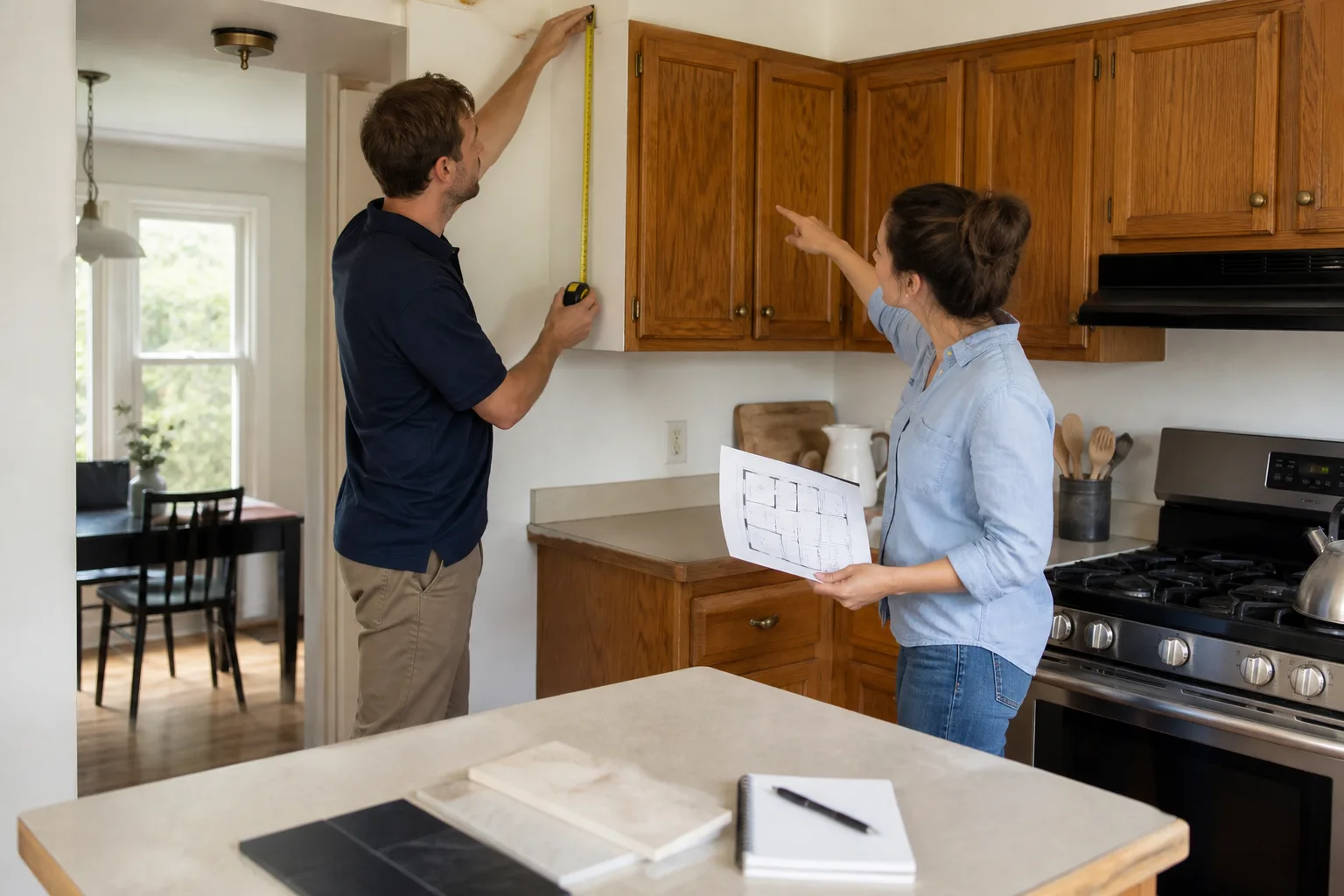
- Get the professional scope in writing first. Plumbing rough-in, electrical rough-in, permit pull, waterproofing, tile. Everything else is a question mark until that scope is fixed.
- Do demo before the pro arrives, if your contract says you can. Removing old tile and vanity clears the work area and saves a day of labor. Confirm the pro is fine with homeowner demo – a broken valve at demo becomes their problem to fix.
- Schedule rough-in inspections back to back. Plumbing and electrical rough-ins happen in the same week in most Paradise projects. Both need inspection before drywall closes. Do not do any drywall repair yourself before the inspector’s green tag is in hand.
- Wait out the wet-wall phase before your DIY layer starts. Drywall, tile, and shower pan come from the pro. Paint, caulk, and vanity install come after.
- Do the finish-layer DIY tasks in this order: paint (before fixtures), tile grout sealing (after tile cures), vanity top install on existing plumbing, toilet reset, light fixtures and mirror, final caulk.
- Schedule the final inspection before the DIY finish layer if your permit requires it. Some permits close out at rough-in plus a final, and the final inspection needs the pro’s work visible. Confirm the sequence with your contractor before you put a paintbrush near the wall.
When we structure this for Paradise clients, the DIY contribution is a full weekend or two, and the professional phase runs on schedule. The money saved doesn’t come at the cost of a faster project – it comes from being honest about which layer of the work belongs to whom. A quick tip: if you’re coordinating kitchen and bath together, runway the work through the team that handles kitchen remodeling in Sunrise Manor so both permits and both sequences stay on the same clock.
Nevada Permits and the Licensed Signature Requirement
Nevada’s permit system is where inexperienced DIY remodels quietly fall apart. A homeowner can pull some permits as an owner-builder. But not every permit. And not every permit accepts a homeowner’s signature for the licensed scope of work inside it.
- Plumbing and electrical permits. These require a licensed plumber or electrician’s signature in Clark County. A homeowner cannot sign off on plumbing or electrical work in the licensed trade scope. Those permits get pulled by the licensed pro, period.
- Structural and general permits (e.g. wall moves, layout changes). Owner-builder signature is sometimes possible if you actually occupy the home and do the work yourself. But most Paradise homeowners don’t want to become the responsible party of record for a structural wall change.
- Final inspection for resale. When you sell a Paradise home, the buyer’s inspector flags unpermitted electrical and plumbing work. That flag becomes a price reduction, a contingency repair, or a lost sale. The permit trail is what saves you here.
- Manufacturer warranty impact. Brand-name fixtures from Kohler, Moen, and Grohe carry warranties that expect professional installation for the wet-system parts. Install a Moen shower valve yourself, and a failure claim gets complicated fast. The permit trail and the pro install are both evidence the warranty stands.
- Insurance. Water damage from an unpermitted shower install is a classic insurance denial. The paperwork matters before the flood, not after.
Our position is simple: every permit that’s required, we pull and manage. That’s the Relay Visibility Guarantee at work – it’s not just the written price, it’s the trail that closes the job and clears resale. For where the code books actually live, use the local building department’s permit portal as the source of truth for any task on your own list.
Reading the Warning Signs Before You Start
Before you commit to a DIY task, run it through this filter. If any answer is “yes,” hire a licensed pro. It takes 60 seconds and it saves two months of rework.
- Does the task touch a system that gets inspected? Plumbing rough-in, electrical circuits, wet-area waterproofing. Yes means hire.
- Does a failure take two years to show up? Slow-failure tasks – waterproofing, moisture barriers, undersized electrical – are the ones to skip. Fast-failure tasks (paint, caulk, hardware) are the ones to DIY.
- Could you realistically fix it yourself in a weekend if you got it wrong? If yes, permission granted. If no, hire.
- Does the manufacturer spec include “professional installation required”? Read the manual. Some premium fixtures do.
- Does your HOA or home warranty have a rule? Paradise HOA documents sometimes route work through approved vendors. Check before you buy materials.
The filter is meant to be honest, not discouraging. Most of the tiles, paint, and hardware in a Paradise bathroom are fully yours. The plumbing and electrical that sit behind them aren’t. That’s the whole rule, in five questions.
Common Mistakes to Avoid
- Skipping the permit because “it’s just a small change.” Moving a drain six inches for a new tile layout still needs a plumbing permit. Small and permitted aren’t the same thing in Paradise, and the resale inspector will notice.
- Painting over wet patch before the rough-in inspection. Every Paradise project we’ve seen with a pulled inspection card that fails once lost a week. Confirm the green tag before you drywall or paint.
- Installing the vanity before the plumbing rough-in is verified. A half-inch drain misalignment puts you right back at the plumber’s feet with a vanity you have to remove. Rough-in first, vanity second.
- Using regular drywall where cement board or a membrane belongs. In a Paradise climate that swings from dry winter air to monsoon season, that shortcut fails on a two-year delay – long past the point of no return.
- Buying no-name shower valves and mixing them with Kohler, Moen, or Grohe trim. Trim and rough-in valves have to match. Mismatched brands void the warranty and create leaks you can’t see.
- Treating a YouTube tutorial as a permit exemption. The tutorial doesn’t sign the permit. The licensed contractor does, and their signature is what’s on file at resale.
- Not writing down who is responsible for what. When you hire a partial pro, get the scope in writing – DIY tasks, pro tasks, and inspection sequence all spelled out. If it’s not in writing, the boundary shifts when something goes wrong.
When to Call a Professional
Call a licensed pro the moment a DIY task crosses into water, gas, electrical service, or structural work – that’s the simple rule. Local scenarios that call for it: any shower pan or wet-wall rebuild in a Paradise home, any plumbing move for a new layout, any added electrical circuit or GFCI for a bidet or heated floor, and any gas rough-in. If you’re unsure whether your task crosses that line, call and ask. Estimates are free, and the conversation is cheaper than the rework. Sawyer Remodeling Paradise offers free estimates in Paradise – call (866) 977-0526. Our technicians have up to 21 years of experience, so the call isn’t a sales pitch; it’s a filter for whether your DIY hours are worth the effort. Every project we run includes a written price before any work starts, and the scope in that price keeps the DIY layer and the pro layer cleanly separated.
See the difference
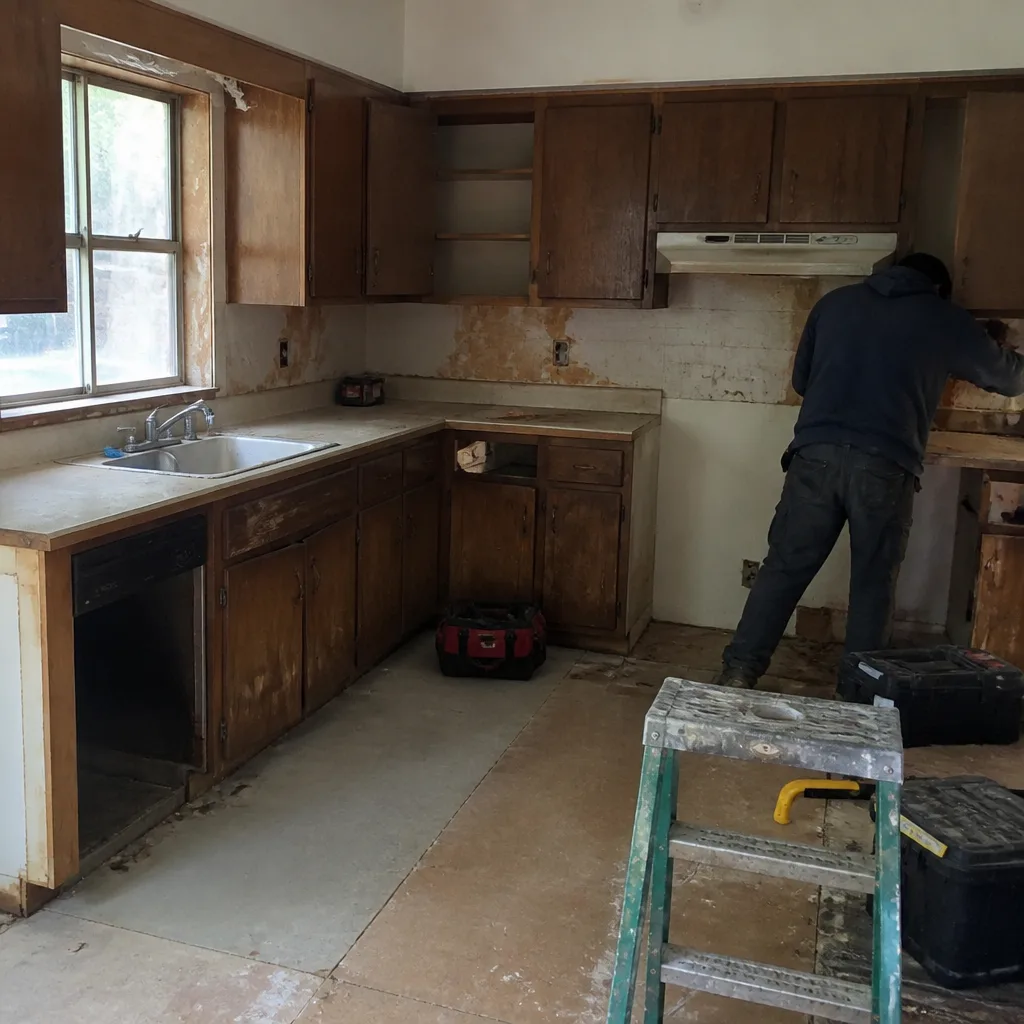 Before
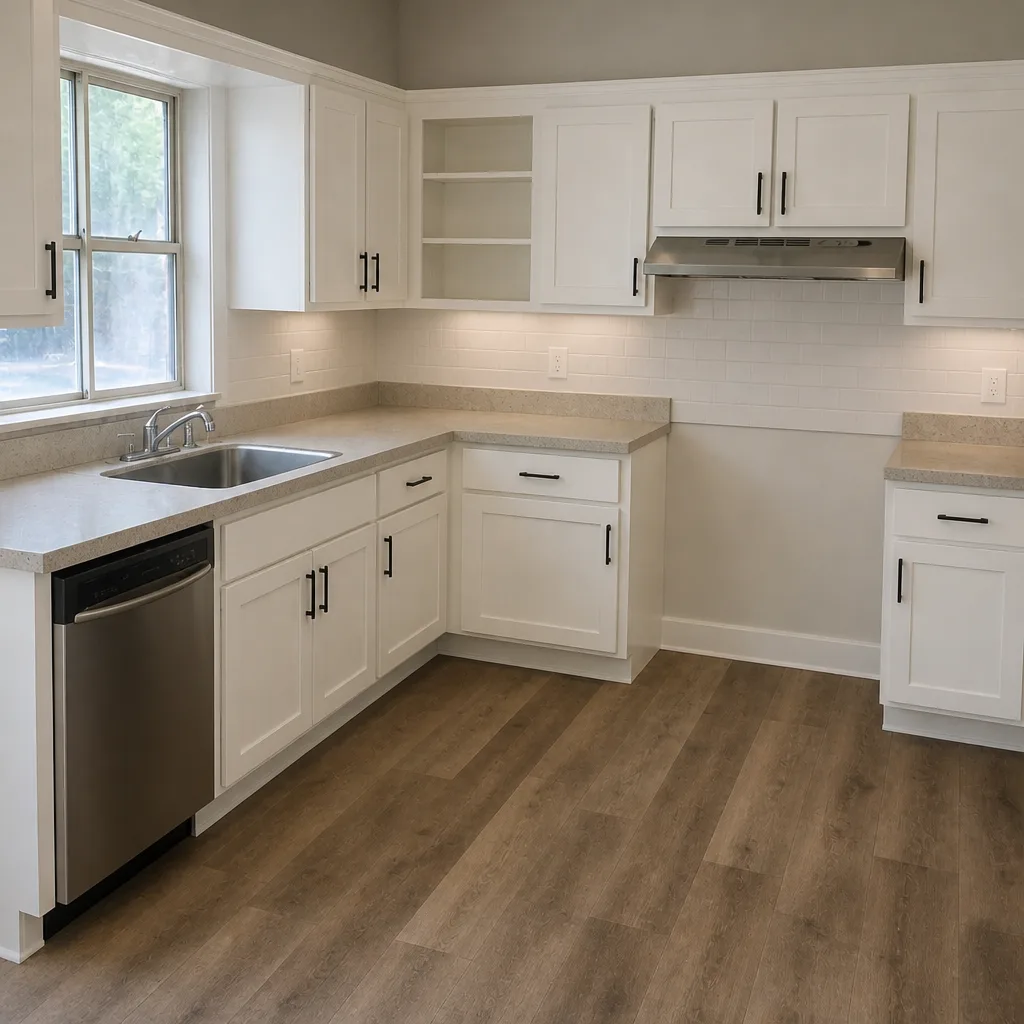 After
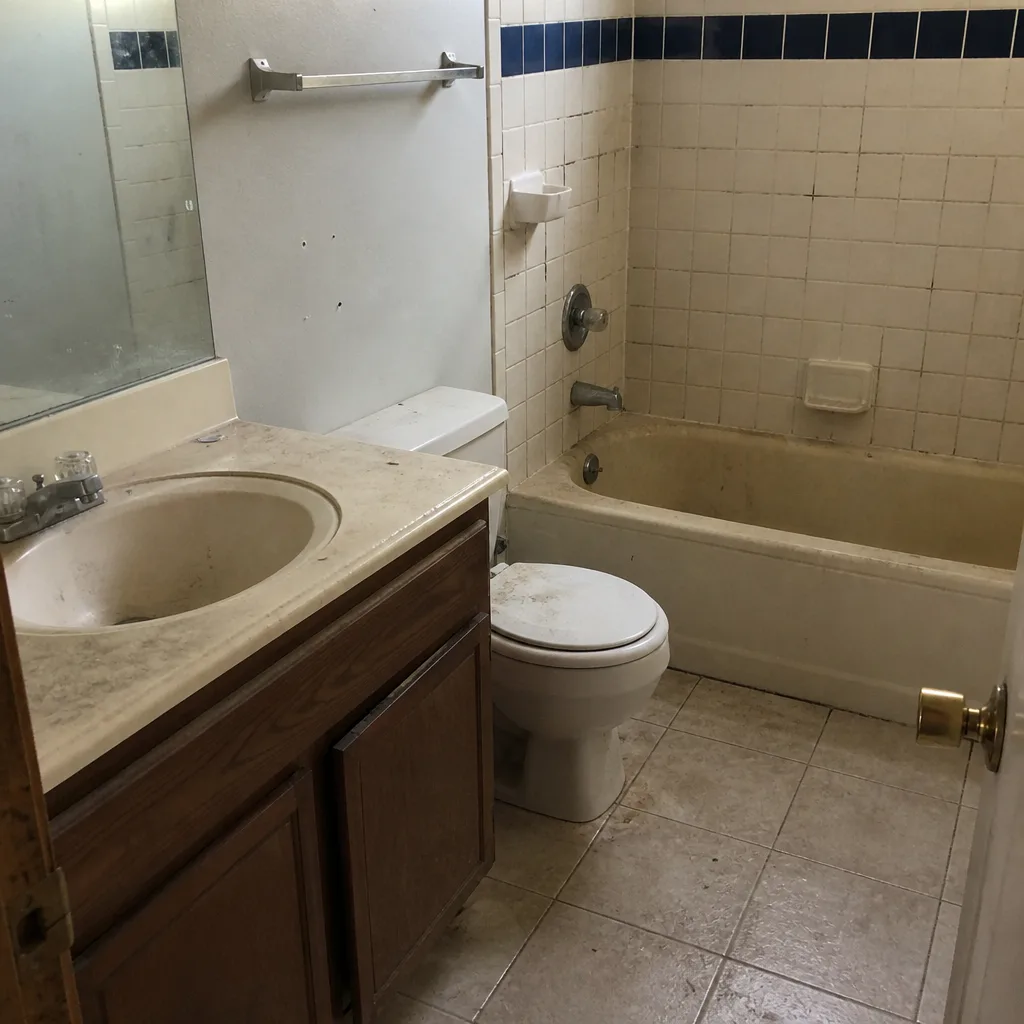 Before
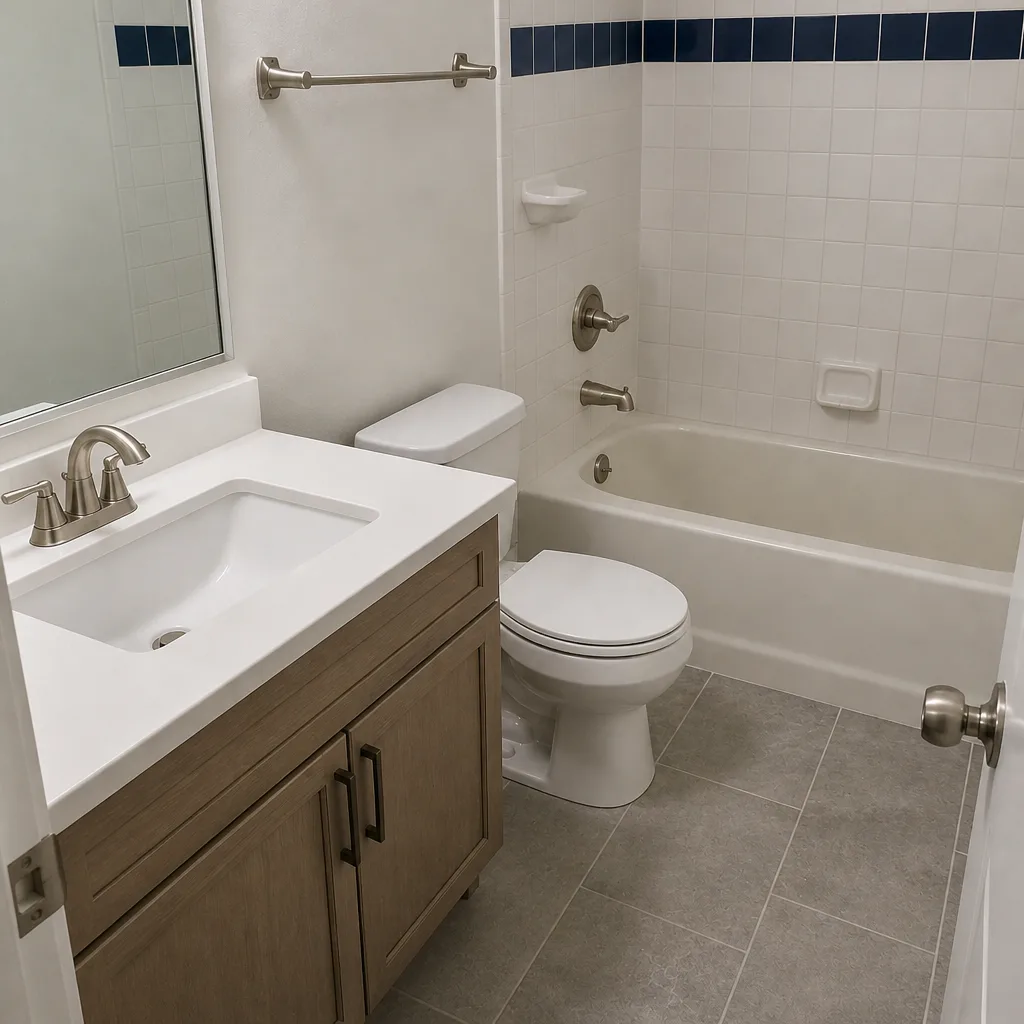 After
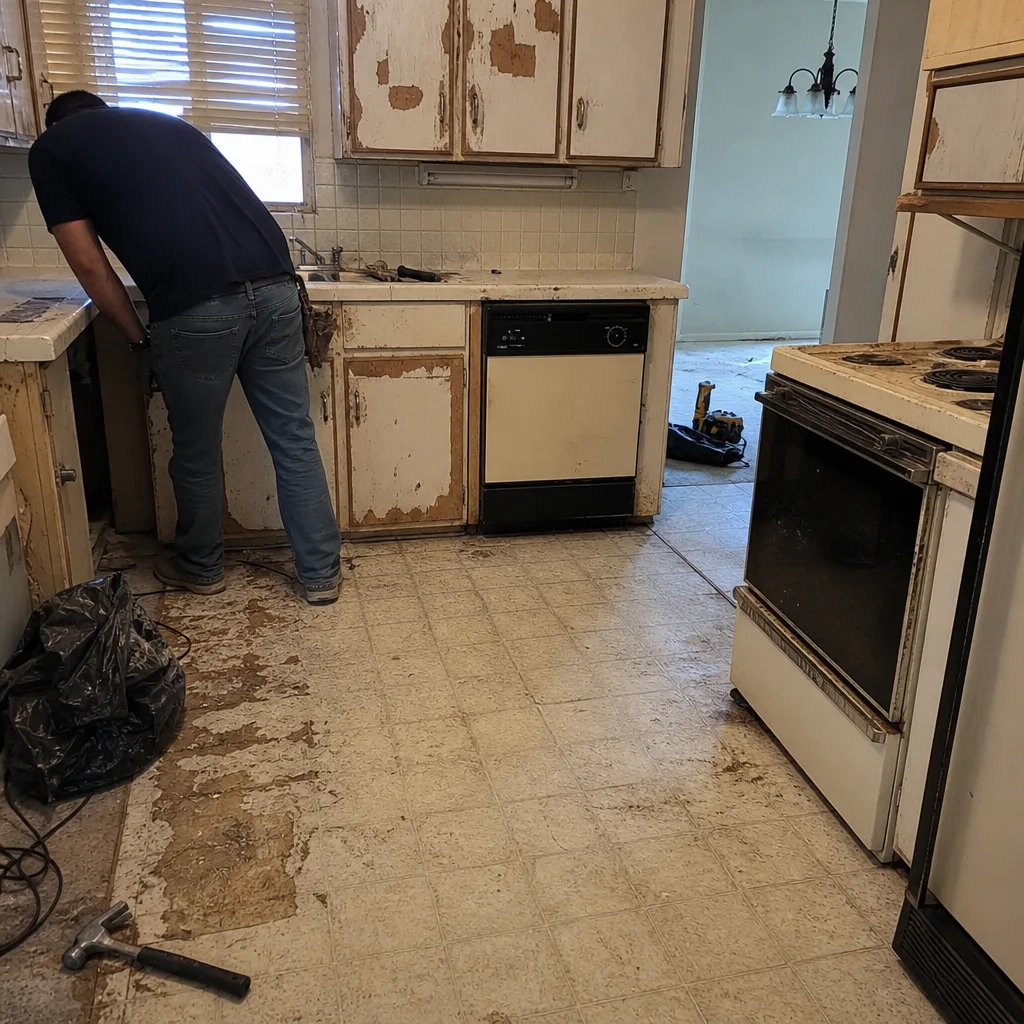 Before
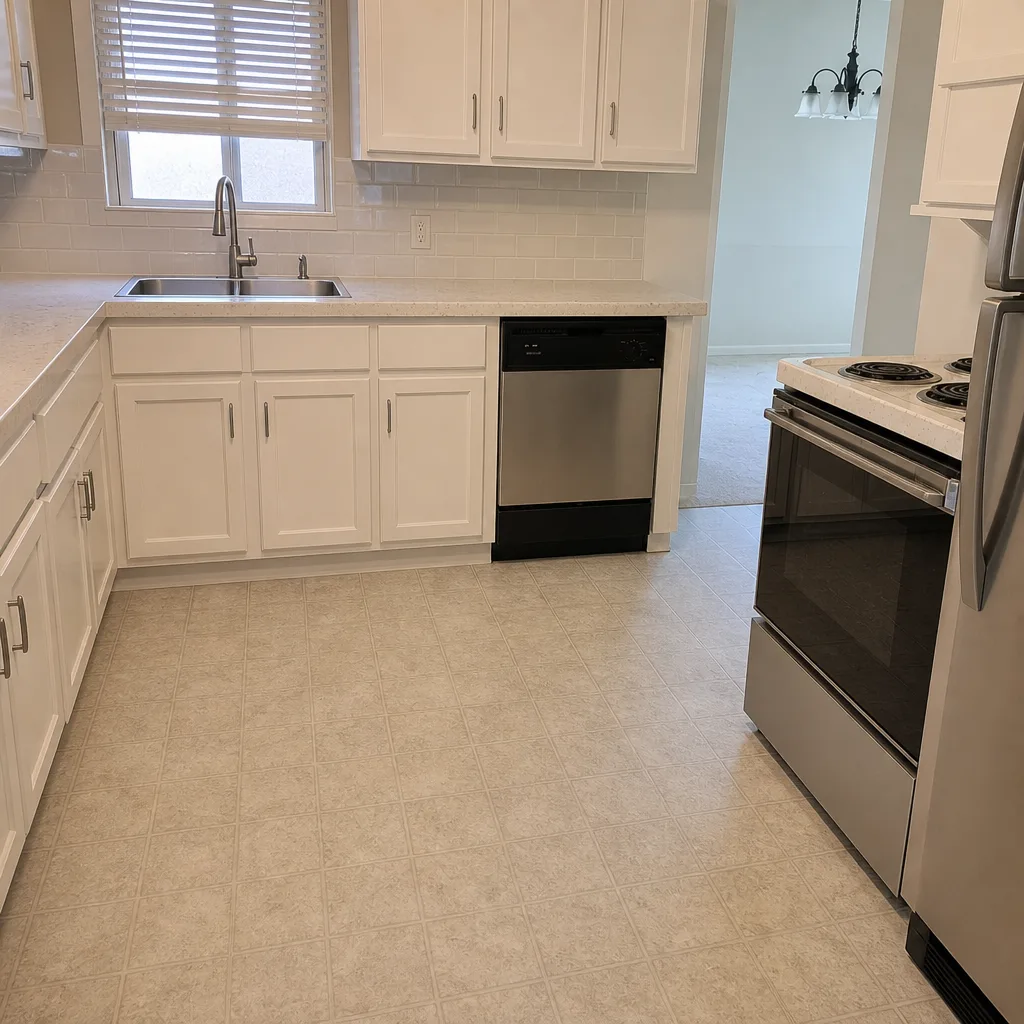 After
Frequently Asked Questions
Painting, caulking, regrouting, swapping light fixtures on existing switches, hanging mirrors and hardware, installing a toilet on the existing flange, and replacing a vanity top over the existing plumbing. These tasks don’t touch permits, electrical service, or wet-area waterproofing, so a mistake stays cheap and fast to fix.
Yes. Any drain or supply line relocation in Clark County requires a licensed plumber and a permit with the licensed plumber’s signature. Moving a drain six inches for a new shower layout triggers the same permit as a full rough-in, and the rough-in gets inspected before the pan is installed. Call (866) 977-0526 for a free estimate before you plan that layout change.
Rework. A homeowner-installed shower that fails waterproofing typically costs $2,000 to $4,500 to fix because every tile has to come off and the membrane has to be rebuilt. That’s the number that eats the DIY savings. A free estimate on the pro scope up front tells you where the line is before you sink hours into a task that has to be redone.
It depends on scope. Painting, caulking, and a vanity top swap typically don’t need a permit. Moving plumbing, adding electrical circuits, adding a new fixture with a new water or gas line, or relocating a wall all do. For any permit tied to the licensed trades, a licensed plumber or electrician must sign. The building department’s permit portal is the source of truth for any borderline task.
Yes, though usually not at the moment of sale – at the buyer’s inspection. Unpermitted plumbing and electrical work gets flagged, which almost always turns into a price reduction, a repair contingency, or a lost deal. The permit trail is what clears it, and that trail requires a licensed pro at the site. Call (866) 977-0526 to schedule a free estimate and get the permit scope in writing.
Yes, if you do demo before the pro arrives and finish-layer tasks after the wet-wall phase closes. The pro handles rough-in, waterproofing, and tile; you handle paint, caulk, vanity top, toilet reset, and fixture installs. The sequence has to be written down. That’s a conversation we have on every project – a free estimate puts it in writing.
The Bottom Line
DIY in a bathroom remodel isn’t about skill. It’s about consequence. Paint, caulk, grout, hardware, and light fixtures on existing lines are yours – they fail cheap, fail fast, and leave every permit and warranty untouched. Plumbing moves, new electrical circuits, wet-area waterproofing, and gas rough-ins are licensed-trade work in Clark County, full stop. The one habit that keeps your budget intact: draw the line before you start, get the pro scope in writing, and sequence your weekend tasks around the professional phase rather than overlapping it. That single shift is what separates a remodel that closes cleanly from one that quietly doubles its own cost.
Ready to Draw the Line?
If you’re planning a Paradise bathroom remodel and want a straight answer on which tasks to keep and which to hand off, call (866) 977-0526 for a free estimate. You’ll get a written price before any work starts, a scope that separates the DIY layer from the professional one, and a live arrival time on the day so no one’s waiting around on a four-hour window. No-hassle upfront pricing, background-checked uniformed technicians, and the 365-Day Done Right Promise on every project – written, not promised on a handshake.
Written by the team at Sawyer Remodeling Paradise.