Last updated November 17, 2026








Free written scope consultation - allowances, timeline, and change-order rules on paper before a single trade is scheduled
Home Renovation Maintenance Schedule: What to Do and When
Las Vegas Valley groundwater is among the hardest in the country, registering over 278 parts per million. That single number changes almost everything about how you maintain a home here. The scale builds on grout, the caulk dries out and cracks, and your water heater works harder than the national average assumes. Most maintenance schedules you’ll find online were written for a Midwestern climate with four soft seasons. In Paradise, our calendar runs on desert heat, caliche soil, and monsoon rain. Here’s the month-by-month schedule that actually fits the way homes age in Paradise, Nevada.
Quick Answer
In Sunrise Manor and the surrounding Paradise-area desert, home maintenance runs on a different clock than generic guides suggest. Inspect for caliche soil expansion in April, prep your HVAC before the 110°F summer in May, reseal grout and caulk because of hard water every six to twelve months, and check your stucco for monsoon damage in late September. Everything else folds around those four anchors.
Styles & brands we work with
- Kitchen remodeling
- Bathroom remodeling
- Home additions & ADU
- Roofing
- Windows & doors
- Driveway & pavers
- Fence
Table of Contents
- Why Hard Water Sets Your Whole Schedule
- The April Caliche and Foundation Inspection
- Pre-Summer HVAC Load Prep in May
- Post-Monsoon Stucco Check in Late September
- When to Reseal Grout and Caulk vs. Replace
- The Month-by-Month Desert Calendar
- The Written Price Checkpoint: DIY or Call a Pro
Why Hard Water Sets Your Whole Schedule
Hard water is the engine behind most of the maintenance you’ll do in a Paradise home. The mineral load leaves scale on tile, shower glass, and faucets, and that scale doesn’t just look bad. It eats at the sealant between surfaces. Grout lines start to crumble, caulk pulls away from the tub edge, and fixtures pit faster than the manufacturer’s lifespan chart suggests. In a bathroom that a national guide says to reseal every two years, we’re seeing homes in Paradise where the caulk needs attention every six to twelve months.
Here’s what hard water accelerates most:
- Grout and caulk fail sooner because mineral deposits break down the sealant bond from the surface down.
- Shower and tub fixtures from Kohler, Moen, and Grohe pit and scale at a faster rate, even the good ones.
- Water heaters collect sediment and mineral scale that shortens the tank life if you skip annual flushing.
- Tile edges around a Schluter edge trim (the metal strip that waterproofs where your tile meets the floor) show corrosion and lifting you’d normally see years later elsewhere.
A whole-house water softener or a point-of-use filter won’t stop the wear entirely, but it moves the reseal interval back toward something closer to national averages. If you’re remodeling a bathroom in Paradise anyway, we spec the sealant and grout with hard water in mind, not against a schedule written for soft water.
The April Caliche and Foundation Inspection
Caliche is the calcium carbonate layer in desert soil that behaves like a cement shelf just below the surface. In summer, when the soil dries out, caliche contracts and shifts. That movement puts stress on a foundation and on any rigid tile floor sitting above it. It also explains a crack pattern many Paradise homeowners notice for the first time in June or July, months after the damage started.
April is your inspection window. Here’s why: the soil is in a middle state, neither fully saturated from any winter rain nor dried hard by summer heat, and any movement from the previous season is visible without being buried. We inspect then:
- Walk the perimeter and note any new cracks in the foundation stem wall.
- Check interior tile floors for new cracks or hollow-sounding spots near doorways.
- Look at exterior door and window frames for gaps that reappeared after last summer.
- Photograph and date everything, because a foundation contractor or a remodeler will want that timeline.
This is a check, not a repair. Caliche expansion is normal desert behavior, and most homes tolerate it. What you’re looking for is change, not the condition itself. When we run whole-home renovations in Paradise, we account for caliche in how we prep a slab before tile or flooring goes down. That’s a decision made at the bidding stage, not mid-project.
Pre-Summer HVAC Load Prep in May
Generic maintenance guides tell you to service your HVAC in fall. That advice assumes your HVAC system’s hardest working season is winter, which is exactly backwards in Paradise. Here the system runs flat out from June through September, when temperatures climb past 110°F. If something is going to fail, it fails in July, and the fix is more expensive and slower to schedule during peak season.
May is the window to prepare. The work here is inspection and load prep, not repair by a homeowner:
- Schedule an HVAC technician for a spring check before the rush, when appointment slots are open.
- Replace the air filter and set a reminder to swap it every 60 to 90 days through summer. Desert dust loads filters fast.
- Clear the condenser unit’s clearance around it, keeping shrubs trimmed back a foot on all sides.
- Check that the attic insulation and duct sealing haven’t degraded. Leaky ducts in a 110°F attic lose most of your cooling before it reaches a room.
This is also a smart time to note any rooms that never cooled well last summer. That overlap between HVAC performance and wall or window construction is where a renovation conversation often starts. Installing tighter windows from brands like CWS or ES Windows cuts the cooling load and resolves a comfort issue at the source. A remodeler can quote that alongside the duct work, which is what we do across Paradise when a homeowner is deciding between patching an efficiency problem and fixing it.
Post-Monsoon Stucco Check in Late September
Monsoon season runs July through September in Southern Nevada. The rain comes fast and hard, and it hits stucco, roofs, and window flashings that have been baked dry and sun-cracked all spring. The damage shows up as hairline cracks that absorb water, then freeze through a winter nighttime swing and open wider. If you catch stucco cracks in late September, you fix a small thing. If you catch them the following March, you’re often looking at patching larger sections.
Your late-September inspection should cover:
- Stucco walls: look for new hairline cracks, especially around windows and doors and below the roofline.
- Roof flashing: check where the roof meets a wall or a chimney for lifted or rusted flashing. Roofing from GAF and Owens Corning is rated for our climate, but the flashing installation is what fails first.
- Downspouts and drainage: confirm water drains away from the foundation, not toward it. Monsoon water pooling against a caliche-treated slab is a bad combination.
- Window seals: inspect caulk lines on exterior windows. The sun dries out exterior caulk faster here than anywhere else.
This is not a task to do on a ladder. Stucco inspection at height, roof flashing, and any re-caulking above a single-story reach is a trained professional’s job. A fall from a roof or ladder is the most common serious injury in home maintenance, and it’s entirely avoidable.
When to Reseal Grout and Caulk vs. Replace
Reseal vs. replace is the question Paradise homeowners ask us most after hard water has done its work. The answer depends on what’s failing and how much surface is affected. Here’s the practical test:
- Reseal when the grout and caulk are intact, just dull, porous, or starting to absorb water. A liquid sealer applied after a deep clean brings them back.
- Replace caulk when it’s cracked, shrinking, or pulling away from the tub or shower edge. Replacing caulk once or twice a year in a heavily used bathroom in Paradise is normal.
- Regrout when the grout is crumbling or has lost more than a few isolated spots. Regrouting a shower floor is a half-day job and prevents water getting into the tile bed.
- Replace tile only when it’s been allowed to fail. Cracking, loose tiles, or soft spots underneath mean water got in and did more than surface damage.
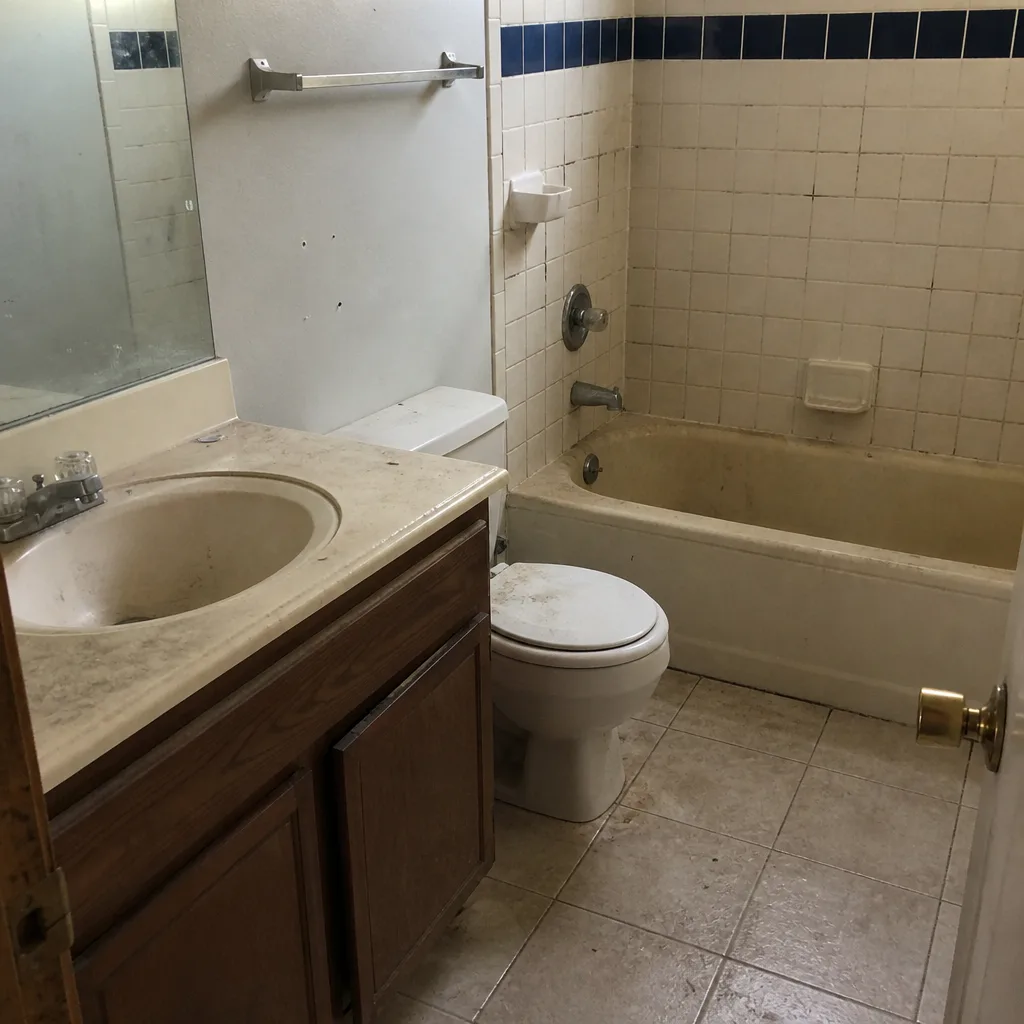
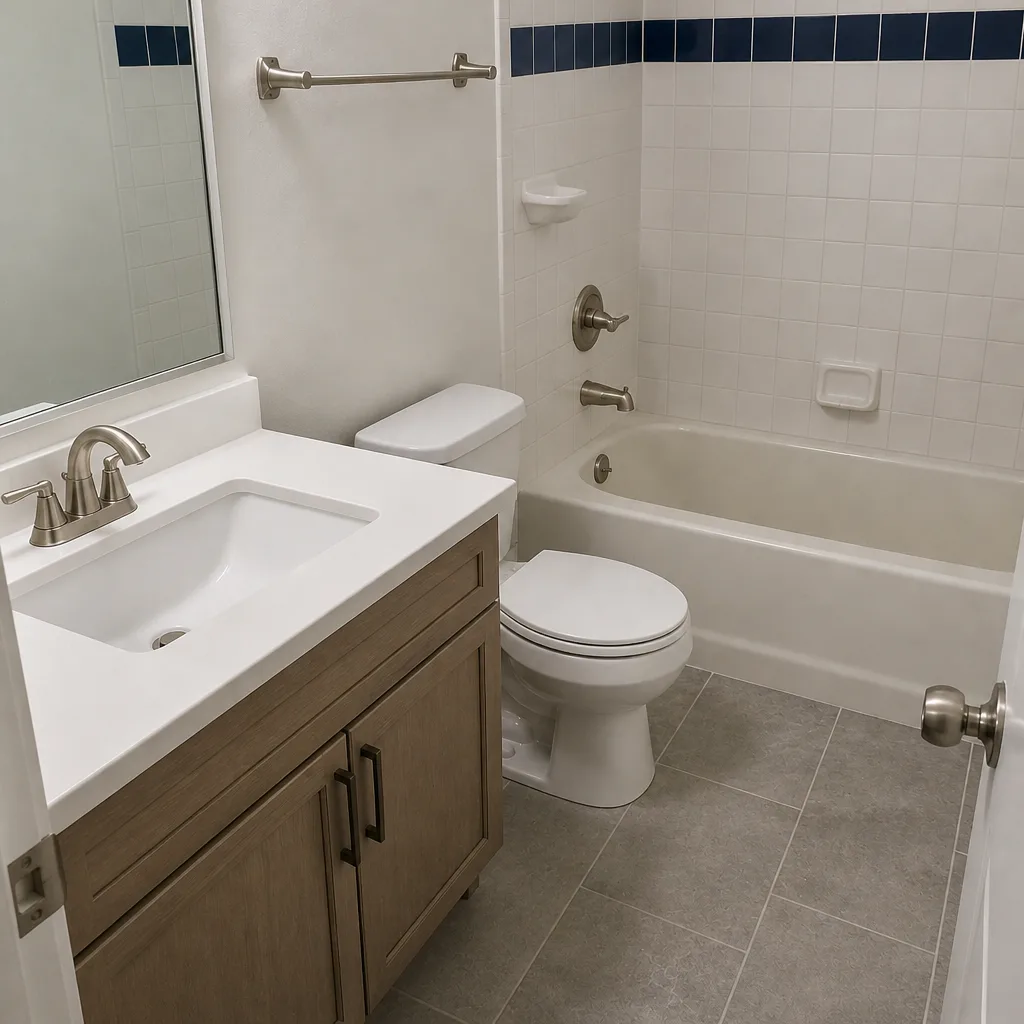
One number matters here: hard water in the Las Vegas Valley runs over 278 parts per million, and that’s what drives the reseal interval down to every six to twelve months in a shower that gets daily use. When we finish a bathroom remodel, we include a written note on the reseal interval for the specific materials chosen, and we note it in the project file. That’s part of the Bathroom Remodeling in Sunrise Manor scope, and the same logic applies to a bathroom on the Paradise side.
The Month-by-Month Desert Calendar
Here’s the calendar we recommend for a Paradise home. It folds all four anchors together and covers the smaller seasonal tasks that fall in between. Pin this to your fridge and you’ll stop relying on generic guides written for a climate you don’t live in.
- January – Check interior caulk around windows and doors after the cold snaps. Note any drafts that reappeared over winter for spring action.
- February – Test smoke and carbon monoxide detectors and replace batteries. Flush the water heater to clear the mineral sediment that builds up fast in our water.
- March – Inspect grout and caulk in bathrooms and kitchen backsplash. Reseal any that are porous or cracked before summer.
- April – The caliche and foundation inspection. Photograph any new cracks. This is the headline task of the year.
- May – HVAC service and filter change before 110°F hits. Check attic insulation and ducting. Review window seals.
- June – Clear the HVAC condenser area and confirm drainage paths run away from the slab. Clean gutters before monsoon season.
- July – Mid-monsoon check: after the first heavy rain, look for any water intrusion at doors, windows, and the roof.
- August – Second round of grout and caulk inspection. Hard water + summer humidity swings are the worst combination for sealant.
- September – The post-monsoon stucco and roof flashing inspection. Handle small cracks before they open through winter.
- October – Check exterior paint and caulk before winter sun angles shift. Repair any failing paint so it doesn’t let moisture in over winter.
- November – Service the heating side of the HVAC. Test the water heater’s pressure relief valve.
- December – Annual review: gather up every inspection photo and note, and plan any larger renovation for the following year.
The rhythm is simple: the big structural checks happen in spring (caliche in April) and fall (stucco in September). The hard water reseals happen twice a year, generally March and August. The HVAC work happens in May because May, not October, is our pre-peak window.
The Written Price Checkpoint: DIY or Call a Pro
The line between a weekend task and a professional call is clearer than most homeowners think. The task is a good candidate for DIY if it’s low height, doesn’t involve water inside a wall, and has no structural or electrical component. Resealing grout, swapping a filter, testing a smoke detector, and clearing the condenser area all fit that list. Anything above a single-story reach or involving the roof, the HVAC system internals, water supply lines, or electrical is a professional’s job. That’s not a sales pitch, it’s a safety fact.
Where most homeowners get stuck is the middle ground: the stucco crack that might be cosmetic or might be a water intrusion problem, or the grout failure that might just need resealing or might need regrouting. That’s where a professional visit helps, and where documentation makes all the difference for future bids. Two habits matter:
- Photograph findings with a date stamp. Keep a folder of your April caliche photos, your September stucco photos, and your HVAC service receipts. When you bid a larger renovation later, the contractor can see the history of the problem.
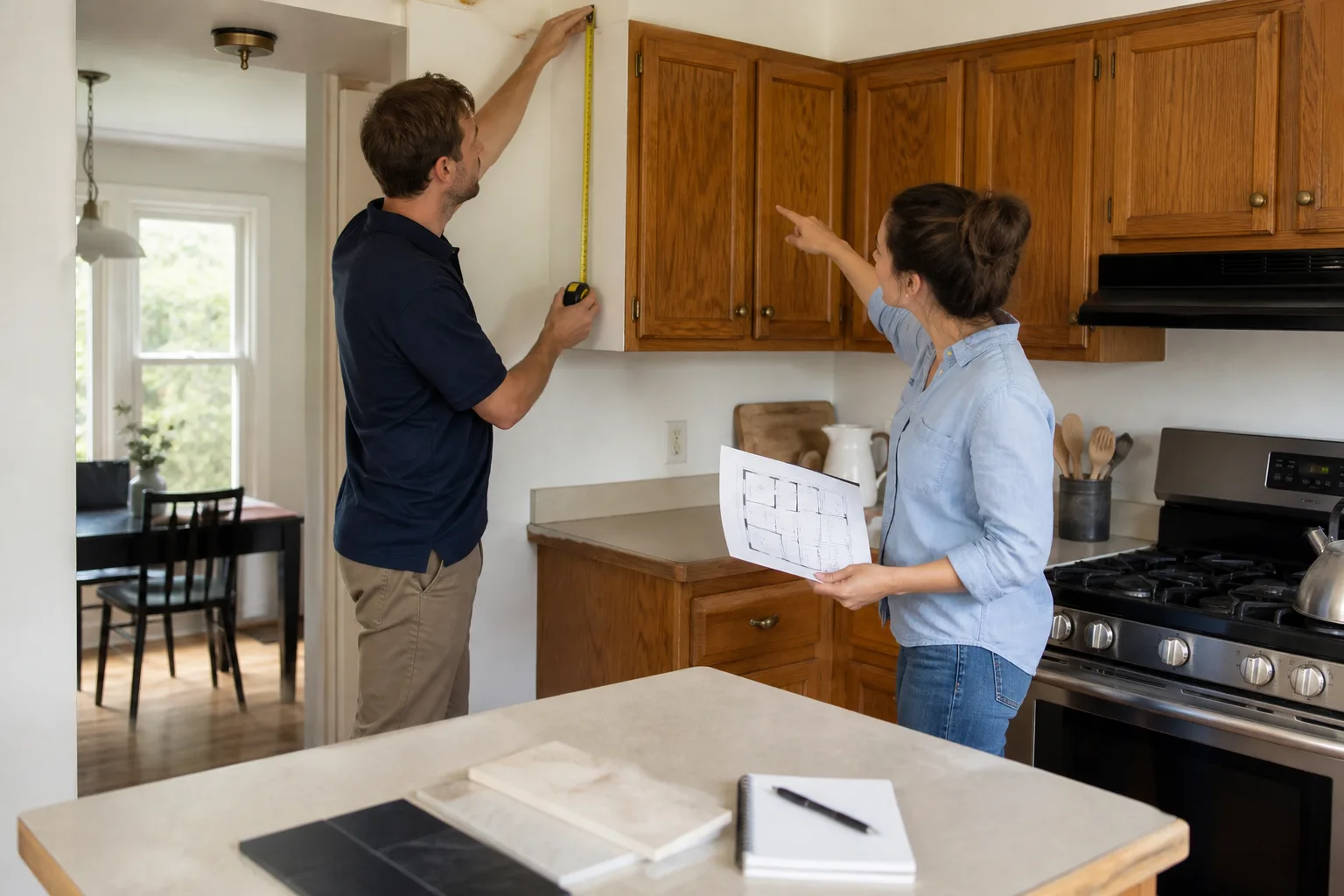
- Ask for a written scope with a line-item price before work starts. This is the checkpoint that separates a contractor from a quote. A written price before any tool is picked up is what we commit to on every Paradise job, and it means the invoice matches the number you approved.
The Relay Visibility Guarantee is built around that checkpoint: a written price, a live arrival time, and before-and-after photos on every project. When you’re deciding whether a maintenance finding is a minor repair or the start of a larger remodel, that written estimate is the piece of paper that answers the question. If you’re in Sunrise Manor and wondering whether your spring findings warrant a bigger project, start with a General Contractor in Sunrise Manor to scope it before you commit to anything.
Common Mistakes to Avoid
- Following a fall HVAC service schedule. Generic guides assume winter is your peak season. In Paradise, your system’s hardest test is June through September, so May is the maintenance window that matters.
- Skipping the spring caliche inspection because “foundation cracks are normal.” They might be. But you can’t tell a cosmetically normal crack from fresh movement unless you photograph it every April and compare.
- Resealing grout with surface-only products when it needs regrouting. Sealer over failing grout locks in moisture and makes the eventual fix more expensive. Test the grout first: if it crumbles or the tile feels loose, it’s a regrout, not a reseal.
- Cleaning a water heater’s mineral sediment late. Las Vegas Valley water at over 278 ppm builds scale faster than national intervals account for. Flush in February, not whenever the manufacturer’s manual says.
- Waiting until March to inspect for monsoon damage. By then, a hairline stucco crack has opened through winter. The September window catches it while it’s still a small fix.
- Climbing onto the roof to check stucco and flashing yourself. This is the single most common cause of a serious home-maintenance injury. A trained professional checks the roof, stucco at height, and window flashing; you handle the ground-level inspection.
- Treating a maintenance finding as a personal repair project when it should be documented for a bid. A rolling set of dated photos and notes is the most valuable thing you can hand a contractor when you’re ready to remodel. Without it, every contractor starts from zero and the estimate is less accurate.
See the difference
 Before
 After
 Before
 After
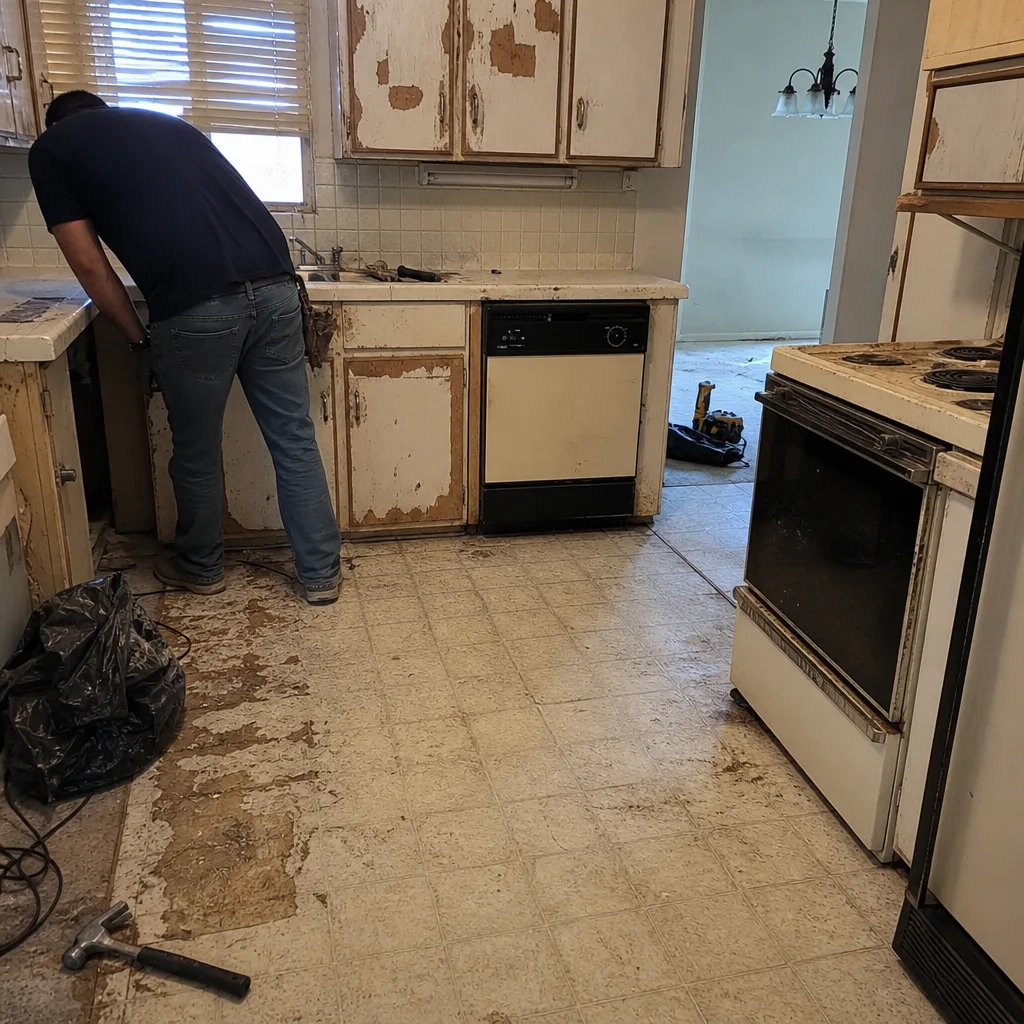 Before
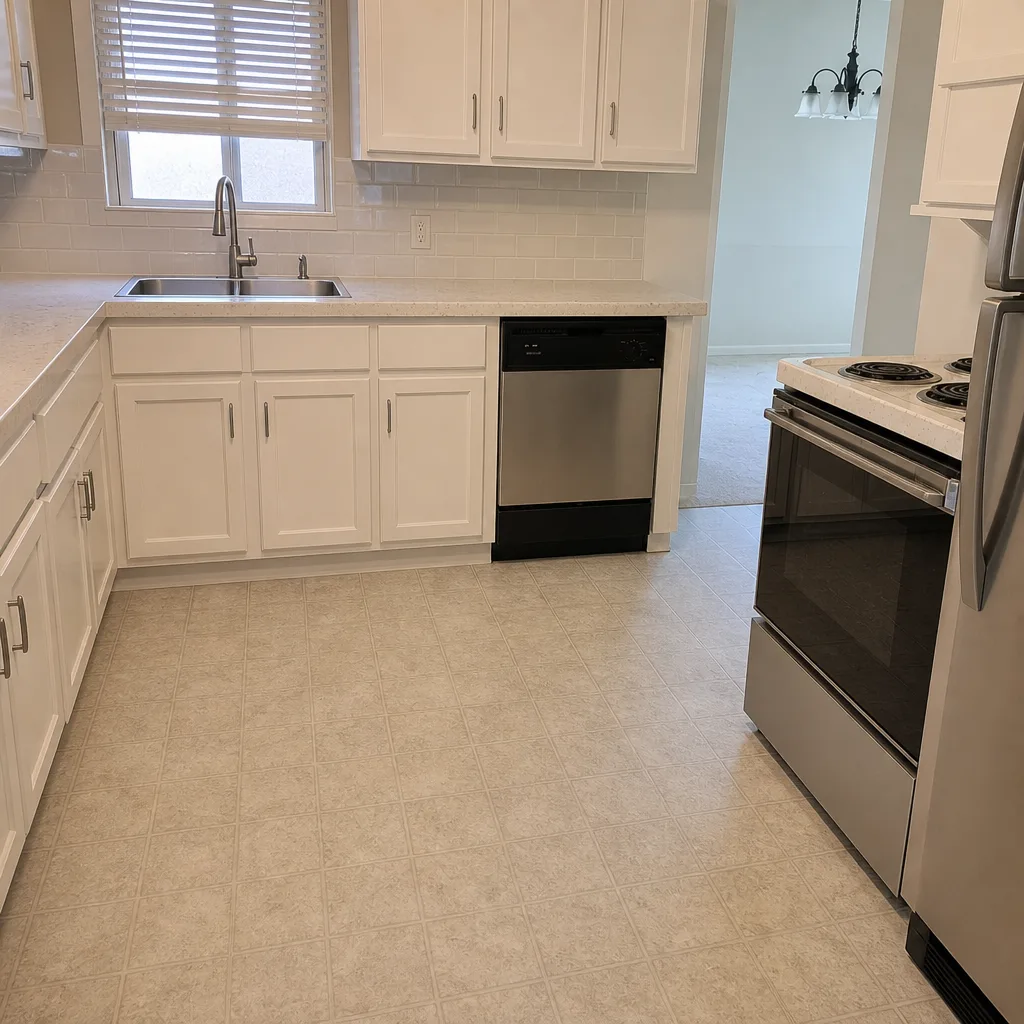 After
When to Call a Professional
The right time to call a professional is earlier than most homeowners do. Call us if any of these apply: a stucco crack appeared after monsoon season and is more than hairline; grout in a shower is crumbling rather than dull; your HVAC didn’t cool the house evenly last summer; or your April inspection found new foundation cracks you hadn’t documented before. If you’re on the fence between resealing and replacing a fixture, a pro visit settles it in fifteen minutes. The other category is safety: any roof, stucco at height, or window flashing inspection is a trained professional’s task, and it’s not something we’d describe step-by-step for a homeowner to do themselves.
Sawyer Remodeling Paradise offers free estimates in Paradise. Call (866) 977-0526 to schedule your free estimate, with a written price before work starts and clear scope on what’s a repair versus what’s the start of a bigger project. Our technicians have up to 21 years of experience across the full remodeling trade, and the 365-Day Done Right Promise covers every job for a full year after the project closes. Every project runs under Sawyer Remodeling Paradise home standards: a live arrival time, before-and-after photo updates, and a digital invoice you can pay from a link.
Frequently Asked Questions

Reseal grout and replace caulk roughly every six to twelve months in a shower that gets daily use, compared to every two years in most of the country. Las Vegas Valley water runs over 278 parts per million of hardness, and that mineral load breaks down sealant significantly faster. If the caulk is cracked or pulling away, replace it. If it’s intact but dull and absorbing water, reseal. For a bathroom that’s past resealing and needs a proper rebuild, a Bathroom Remodeling in Sunrise Manor covers everything from the tile bed up. Call (866) 977-0526 for a free estimate.
Caliche is the calcium carbonate layer in desert soil that contracts in summer and puts stress on your foundation and rigid tile floors. April is the right window because the soil is in a neutral state, so movement from last summer is visible without being buried by fresh drying. Photograph any new foundation cracks in April and compare year to year. If the photo comparison shows real movement, that’s when a contractor should look at it. Call (866) 977-0526 for a free estimate if you want professional input on what you’re seeing.
Spring, not fall. Your HVAC’s hardest working season in Paradise is June through September, when temperatures climb past 110°F. Fall service means the system’s already been through its toughest test. May is when you want a technician looking at it, because the appointment slots are open and a small issue caught in May is cheaper to fix than in July. This is one of the biggest ways the desert calendar differs from a generic maintenance schedule.
Yes. Monsoon season runs July through September, and the rain hits stucco and window flashing that’s been baked dry and sun-cracked all spring. The cracks absorb water and open wider through winter. Late September is your inspection window. Any crack at height on the stucco, or any question about roof flashing, is a job for a trained professional. If you find real water intrusion, Sawyer Remodeling Paradise offers free estimates; call (866) 977-0526 to schedule one.
Ask for a written scope with a line-item price before any work starts. That’s the checkpoint that turns a vague diagnosis into a decision you can actually make. When we quote in Paradise, the written price always includes a clear split between repair and remodel scope, so you can see what you’re choosing. Call (866) 977-0526 for a free estimate. Every Sawyer Remodeling Paradise job carries the 365-Day Done Right Promise, so if it’s not done right, it gets made right for a full year.
Keep a dated photo folder of your April caliche inspection, your September stucco inspection, your HVAC service receipts, and any grout or caulk failure you spot through the year. That file is the most useful thing you can hand a contractor. Without it, every bidder starts from zero and the quote is less accurate. When we bid a Kitchen Remodeling in Sunrise Manor or a bathroom, the homeowner’s documented history of issues makes the estimate more precise and the scope tighter.
The Bottom Line
Home maintenance in Paradise runs on a desert clock, not the four-season calendar most guides are written for. The anchor tasks are the April caliche and foundation inspection, the May HVAC service before 110°F, the post-monsoon stucco check in September, and the twice-yearly reseal that hard water at over 278 parts per million demands. Folding smaller seasonal checks around those four keeps a home healthy without adding a second job to your week. The habit that pays off most is documentation: dated photos, receipts, and a written scope on any work that gets done. That’s what makes the next project straightforward whether it’s a repair or a full renovation. When it’s time for a professional eye, Sawyer Remodeling Paradise is the local general contractor to call. Call (866) 977-0526 for a free estimate on any project, big or small, with a written price before work starts.
Written by the team at Sawyer Remodeling Paradise.