Last updated November 17, 2026








Free written scope consultation - allowances, timeline, and change-order rules on paper before a single trade is scheduled
Home Renovation Troubleshooting: Common Problems and How to Fix Them
A crack in fresh drywall mud and a crack in a load-bearing wall both look like cracks. One is a 20-minute touch-up with a putty knife. The other is a stop-work conversation you need to have before anyone hangs another board. In our experience remodeling homes around Paradise, the single biggest mistake we see isn’t hiring the wrong contractor or picking the wrong tile – it’s misreading which category a problem belongs to and reacting with the wrong level of urgency. Panic over a cosmetic flaw wastes money. Shrugging off a structural warning costs far more.
This guide is a triage system. You’ll learn to sort renovation problems into four tiers, document them so nobody can wave them away verbally, and know exactly when to keep going and when to hit pause. Every bit of it comes from job sites in Paradise, where reactive soil, intense summer heat, and specific local code requirements shape the problems that actually show up.
Quick Answer
Most home renovation problems fall into four tiers: cosmetic (paint, caulk, grout), functional (doors that stick, fixtures that leak), code (permit and inspection failures), and structural (movement in framing, foundation, or load-bearing elements). Match the problem to its tier first, then act: cosmetics can wait, functional items get scheduled, code issues get fixed before inspection, and structural symptoms mean stop work and get an assessment. Getting the tier right is what keeps a small problem from compounding.
Styles & brands we work with
- Kitchen remodeling
- Bathroom remodeling
- Home additions & ADU
- Roofing
- Windows & doors
- Driveway & pavers
- Fence
Table of Contents
- The Four-Tier Triage Framework
- The Most Common Mid-Project Problems and How to Handle Each
- How to Document a Problem So It Can’t Be Dismissed
- Monitor vs. Stop Work: Telling Them Apart
- How Written Pricing and Photo Updates Prevent Disputes
- Desert-Specific Problems: Heat, Soil, and Monsoon Season
- Common Mistakes to Avoid
- When to Call a Professional
The Four-Tier Triage Framework
Every renovation problem you’ll encounter lands in one of four buckets. The bucket determines the urgency, the person who fixes it, and how much it should cost. Sort first, act second.
Tier 1: Cosmetic
Paint drips, uneven caulk lines, grout haze on tile, a scratch on a new cabinet door. These affect how the work looks, not how it performs. Cosmetic issues get logged and fixed on the punch walk – a single list handed over at the end. They never justify stopping work.
Tier 2: Functional
A door that sticks against the jamb, a Moen faucet with a slow drip at the base, a drawer that rubs, a light switch wired to the wrong fixture. Functional problems affect daily use. They get scheduled and fixed, usually within days, but they don’t halt the project. A dripping Delta faucet is annoying; it isn’t a safety event.
Tier 3: Code
An outlet missing GFCI protection in a bathroom, a shower pan that fails the flood test, a header sized too small for the opening. Code issues are problems that would fail an inspection or create a hazard down the line. These get fixed before the next inspection window, no exceptions. In Paradise, bathroom ventilation and moisture control come up often at inspection time – the desert climate means we run tight houses, and inspectors look hard at how air moves.
Tier 4: Structural
Diagonal cracking in a wall, a floor that slopes more than a small tolerance, a door that suddenly won’t close after two years of closing fine, cracks in the slab that are growing. Structural symptoms mean stop and assess. Not “call the guy next week” – stop the work that’s touching that area and get eyes on it. Desert soils move, especially in areas with reactive clay, and a crack that tracks in a stair-step pattern across block is exactly the kind you don’t paint over.
The Most Common Mid-Project Problems and How to Handle Each
These come up in nearly every remodel. Handling them well is the difference between a two-week delay and a project that spirals.
- Tile that won’t lay flat. Usually a substrate problem, not a tile problem. If the floor wasn’t leveled before the cement board went down, every tile after that fights you. The fix is to pull the affected field early rather than thinset over dips.
- A wall that isn’t plumb once the old surface comes off. Almost guaranteed in older Paradise homes. You’ll see studs bowed out of true. The answer is shimming and sistering before drywall – not packing the finish with mud.
- Framing surprises behind the drywall. A misplaced drain line, an unmarked electrical run, a beam nobody expected. Never cut into framing that’s holding weight; reroute the new work instead. If a load path is unclear, get it looked at before anyone starts cutting.
- Material delays on fixtures and cabinetry. Order early and confirm ship dates in writing. Name-brand products from Blanco sinks to American Standard fixtures still run on factory lead times, and a cabinet arriving three weeks late stalls everything downstream.
- Moisture in walls that seemed dry. In a desert house, a slow leak from an old valve can sit undiscovered for years. When the wall opens and the paper backing is stained, stop and trace the source.
- A door that won’t close straight after flooring goes in. New floor height overtakes the door clearance. Undercut the door, don’t shave the floor.
- Paint that flashes or shows lap marks. Almost always a temperature or technique issue. In Paradise, painting in the summer heat means you’re working the paint before it can self-level. Adjust the schedule, not the paint.
If you’re planning a bathroom remodel, the tile and moisture items above hit hardest. For kitchens, it’s cabinet lead times and the plumb of the wall behind the cabinets – check before the boxes arrive.
How to Document a Problem So It Can’t Be Dismissed
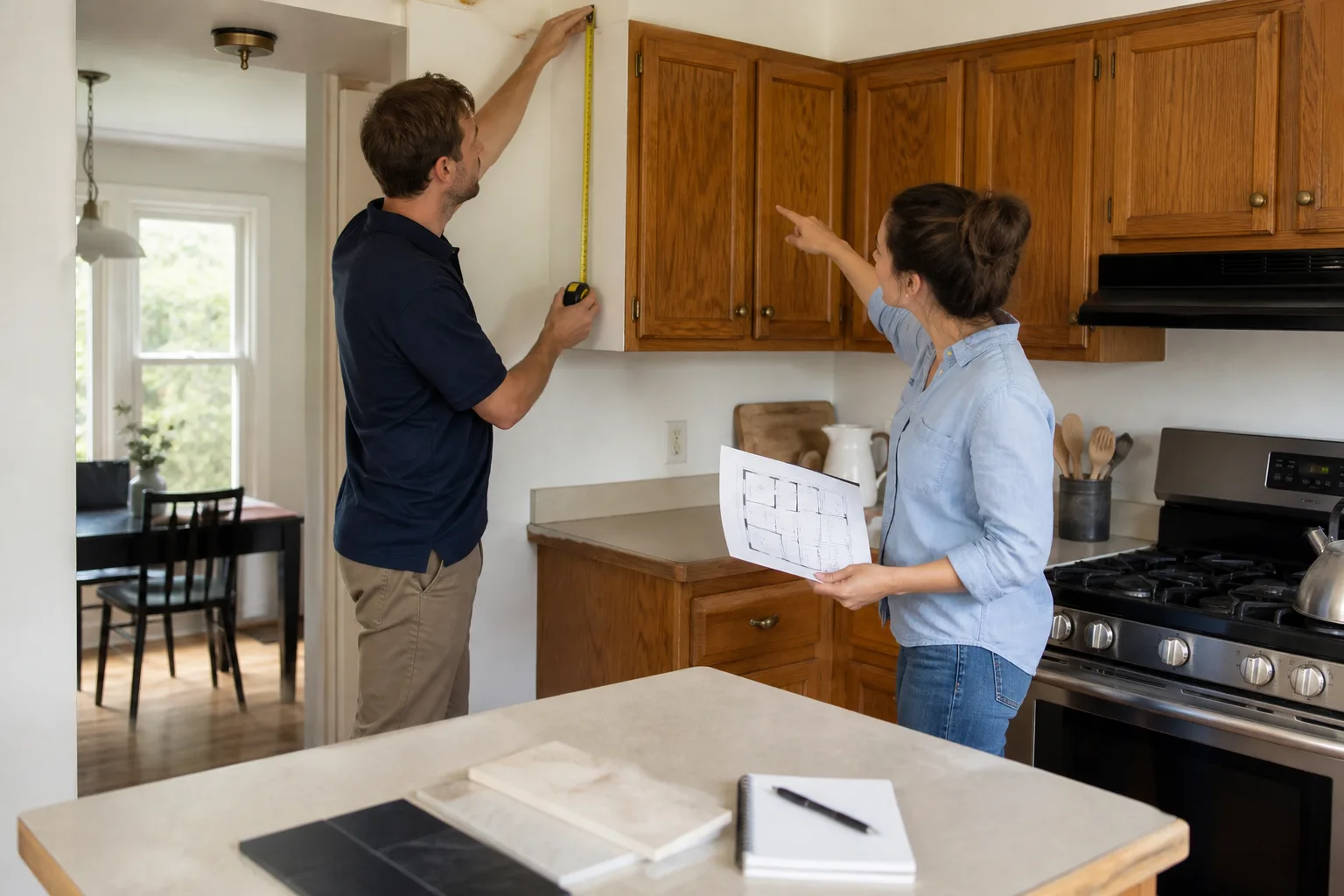
Verbal complaints get dismissed. Written ones don’t. Whether you’re working with us or anyone else, the practice is the same: build a record.
- Photograph with a reference object. A tape measure or a coin next to the crack gives scale. A photo with nothing to reference it to tells the viewer nothing about whether the crack is an eighth of an inch or a quarter inch.
- Note the date, location, and what was happening when you noticed. “Crack along wall/cabinet seam in the north bathroom, noticed day after drywall sanding.” That’s a record. Put it in writing the same day.
- Send it in writing, not by phone. Email or a message thread – somewhere with a timestamp. If you tell a tech on site about a problem, follow up in writing that same day.
- Ask for a written response. “Can you confirm what you’ll do about this and when?” A written answer creates accountability; a verbal “we’ll get to it” doesn’t.
- Keep a punch list. One running document for every issue, opening and closing entries as they’re resolved. On our jobs, the punch list and the photo record reconcile before final payment. It’s part of The Relay Standard – you get a digital record, not a verbal handshake.
This is exactly the reason our process gives you before-and-after photo updates as part of The Relay Visibility Guarantee. When the record already exists, nobody argues about what happened. You can see it, side by side, in writing.
Monitor vs. Stop Work: Telling Them Apart
Here’s the practical test. If a problem is not moving, not growing, and not creating a hazard, it can be monitored. If it’s changing, or if the consequence of being wrong is severe, it’s a stop-work problem.
Monitor these
- Hairline cracks in drywall at a corner bead – cosmetic, note it and fix at punch.
- A single tile with a hollow sound when tapped – watch it; if it spreads, escalate.
- Minor grout shrinkage in a fresh floor joint – re-grout once cured.
- Paint that shows roller texture the day after – addressable on the repaint pass.
Stop work for these
- Stair-stepped cracking across brick or block, or any crack wider than a credit card.
- Water staining or damp in a wall that can’t be traced to a known new source.
- A door or window that goes from opening easily to binding within days.
- Framing that flexes, sags, or is undersized for its span – electrical and gas routing near it are also stop-work territory. Don’t cut, move, or cap a gas line or a breaker panel yourself. That’s licensed trade work, and the cost of getting it wrong is fire or worse.
- Any high-tension garage door spring or cable that’s snapped or clearly compromised – leave it and get a trained tech.
The line is severity and trajectory. A static hairline crack can wait. A crack that’s longer than it was last week cannot.
How Written Pricing and Photo Updates Prevent Disputes
Most renovation disputes don’t start with bad work. They start with bad information – an unclear number, a scope nobody wrote down, or a homeowner who has no idea what’s happening behind the plastic sheeting. Two practices cut out most of them.
Written price before work starts
A written, itemized price before any work begins does more than tell you the total. It tells you what’s included and, crucially, what isn’t. The number on the invoice should be the number you approved. When a contractor quotes low and surprises you at the end, it’s usually because the scope was never written down. Ours is, always – no-hassle upfront pricing isn’t an add-on, it’s the starting point.
Live updates and photo records
Photo updates before and after each phase are the single best defense against “that’s how we found it.” They show progress, catch problems while they’re small, and give both sides the same set of facts. Under The Relay Visibility Guarantee, you get a live arrival time, photo updates, and a written price before a single tool comes out – on every job, not as a special favor. For a homeowner managing a remodel from their phone, that’s not a perk. It’s the difference between staying in control and chasing callbacks.
If you’re looking at a whole-home renovation, start with a general contractor who puts scope and pricing in writing up front. That single habit prevents more disputes than any warranty.
Desert-Specific Problems: Heat, Soil, and Monsoon Season
Paradise sits in a climate that creates its own set of renovation problems. Recognizing them early is half the fix.
Expansive soil and slab movement
Certain areas around Paradise sit on soils that swell and shrink with moisture. That movement telegraphs as diagonal drywall cracks, doors that bind in winter and free up in summer, and grout lines that open at the floor-to-wall transition. A crack that moves with the seasons is a different animal from a crack that grows steadily. The first is seasonal movement – monitor it. The second needs an assessment.
Heat and material performance
Interior temperatures in an unconditioned Paradise garage or sun-facing room climb high enough to affect adhesive, caulk, and paint cure times. Tile set in an 85-degree room at the wrong moisture level will show bond failures down the line. We adjust working conditions, not the material, because the material is fine – it’s the conditions that catch people out.
Monsoon-season moisture intrusion
During monsoon season, water finds every weak point. Bad flashing, a failed window seal, a roof detail that never got caulked right during the remodel. The time to check is before the season, not after the first storm. Water intrusion is the one desert problem that goes from cosmetic to structural fastest – don’t wait to investigate.
For a full walk-through of how we approach the general contracting side of a remodel, see the kitchen remodeling work we do as an example of how scope, pricing, and inspection all line up in one document.
Common Mistakes to Avoid
- Painting over a structural crack to “make it look done.” In a Paradise home on reactive soil, an active crack will reappear, and you’ve just spent money hiding the evidence. Find out what’s moving before you cover it.
- Accepting verbal answers to written problems. If a tech says “we’ll take care of it,” send it by message that day. Verbal commitments evaporate; timestamps don’t.
- Panicking over a cosmetic flaw and stopping a whole crew. A grout line that needs re-sealing doesn’t warrant shutting a bathroom down for a week. Sort to the tier first.
- Letting a fixture or cabinet lead time be someone else’s problem to track. Confirm order dates in writing and check shipping status yourself. On-time-perfection has a lot to do with who’s watching the calendar.
- Cutting into a wall without knowing what’s behind it. Electrical, plumbing, or a load-bearing member. The five minutes you save by guessing can cost a weekend and a permit re-inspection.
- Skipping the photo record because you’re on site. Being physically present all day still doesn’t replace the paper trail. Photos with timestamps settle arguments; your memory of Tuesday afternoon doesn’t.
- Treating a permit as optional. In Paradise, unpermitted work follows the house forever. It shows up at resale, at the next inspection, and on your insurance. The permit is not overhead – it’s the proof the work is right.
See the difference
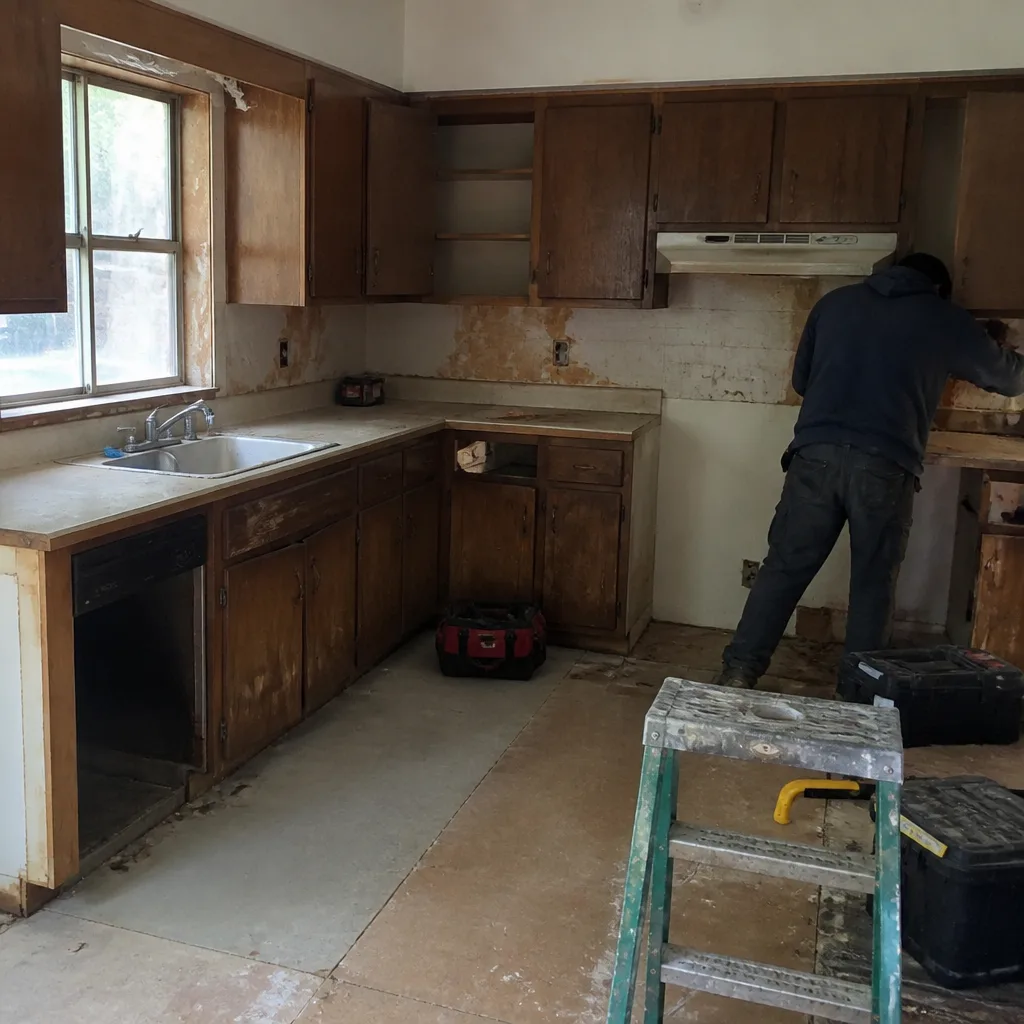 Before
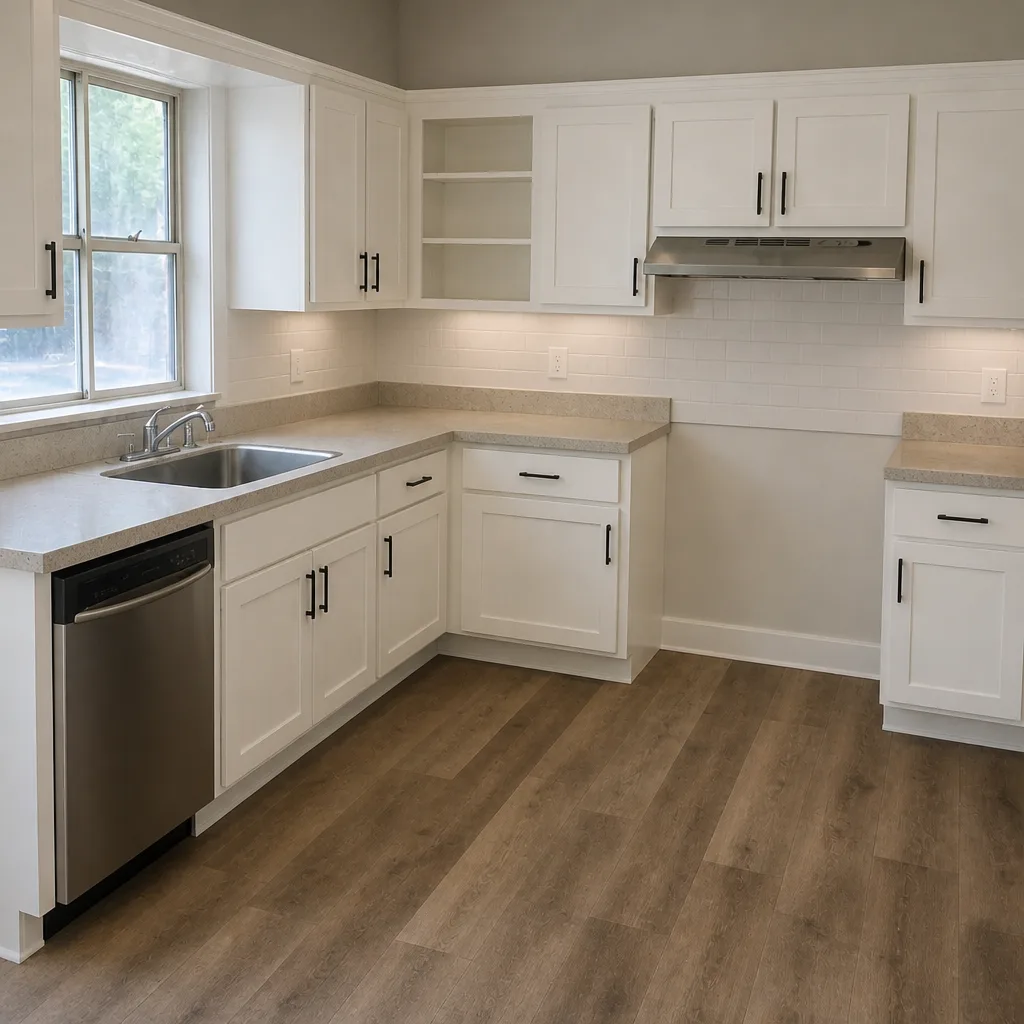 After
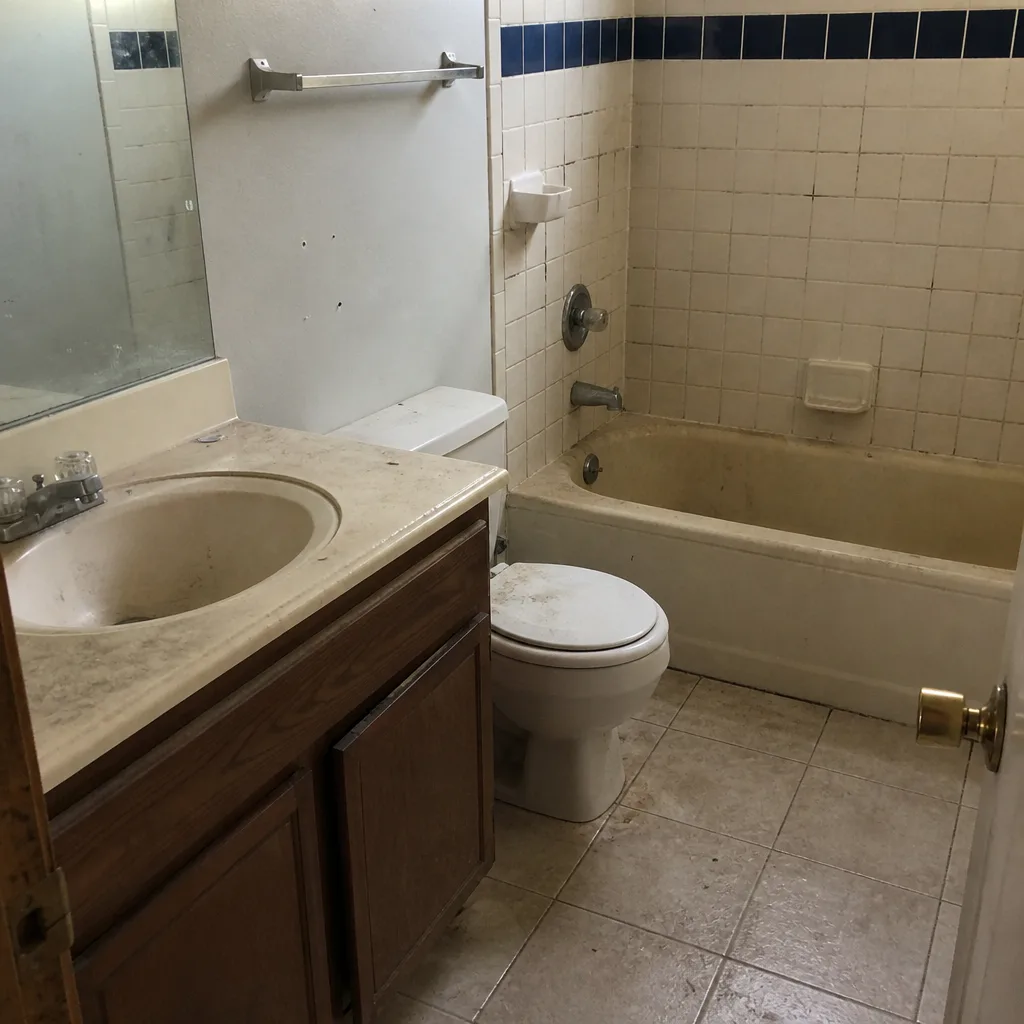 Before
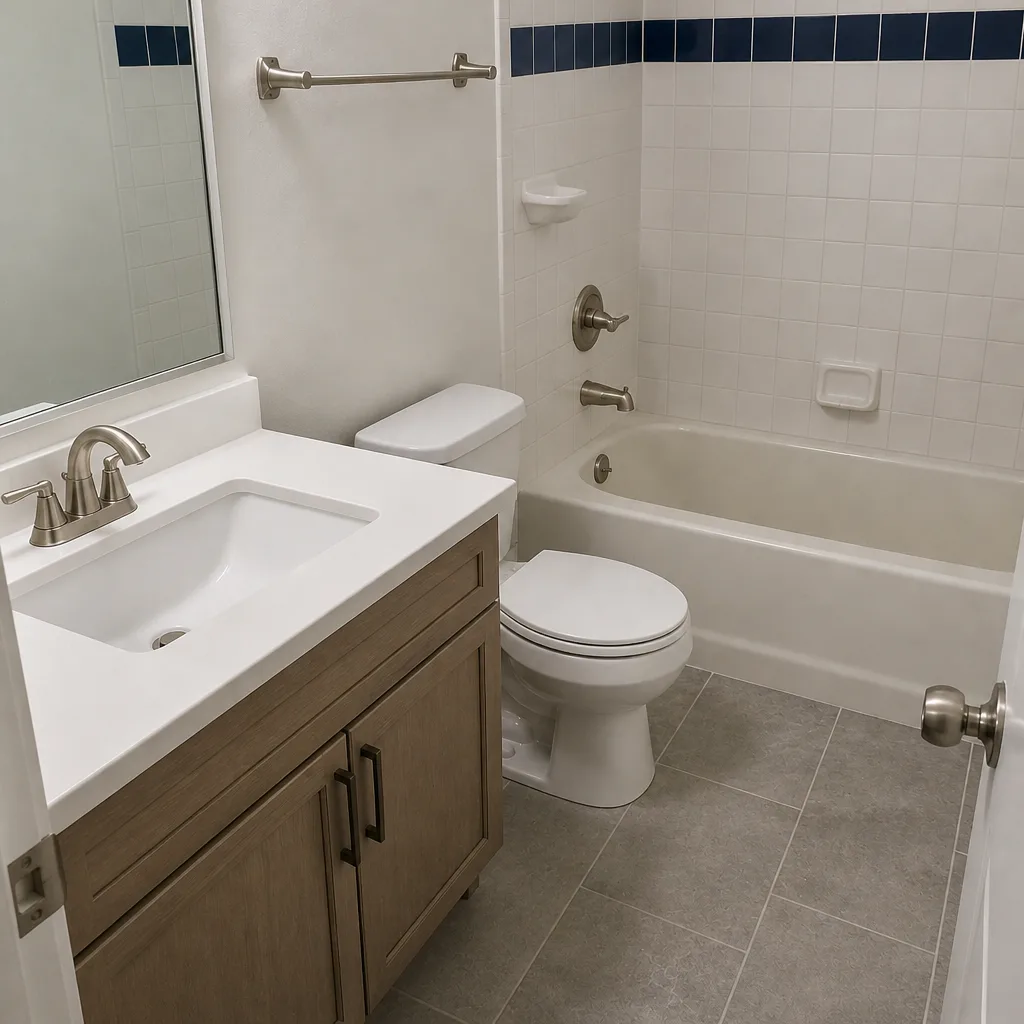 After
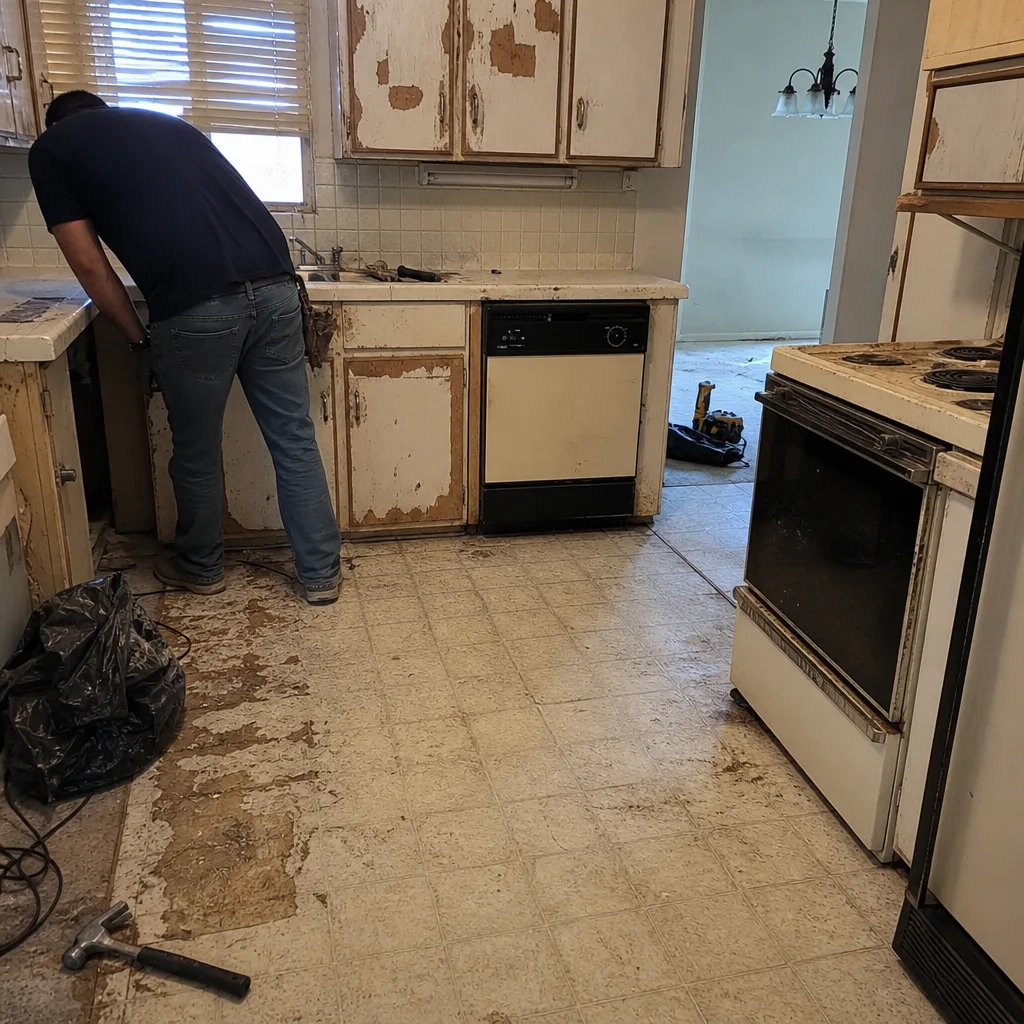 Before
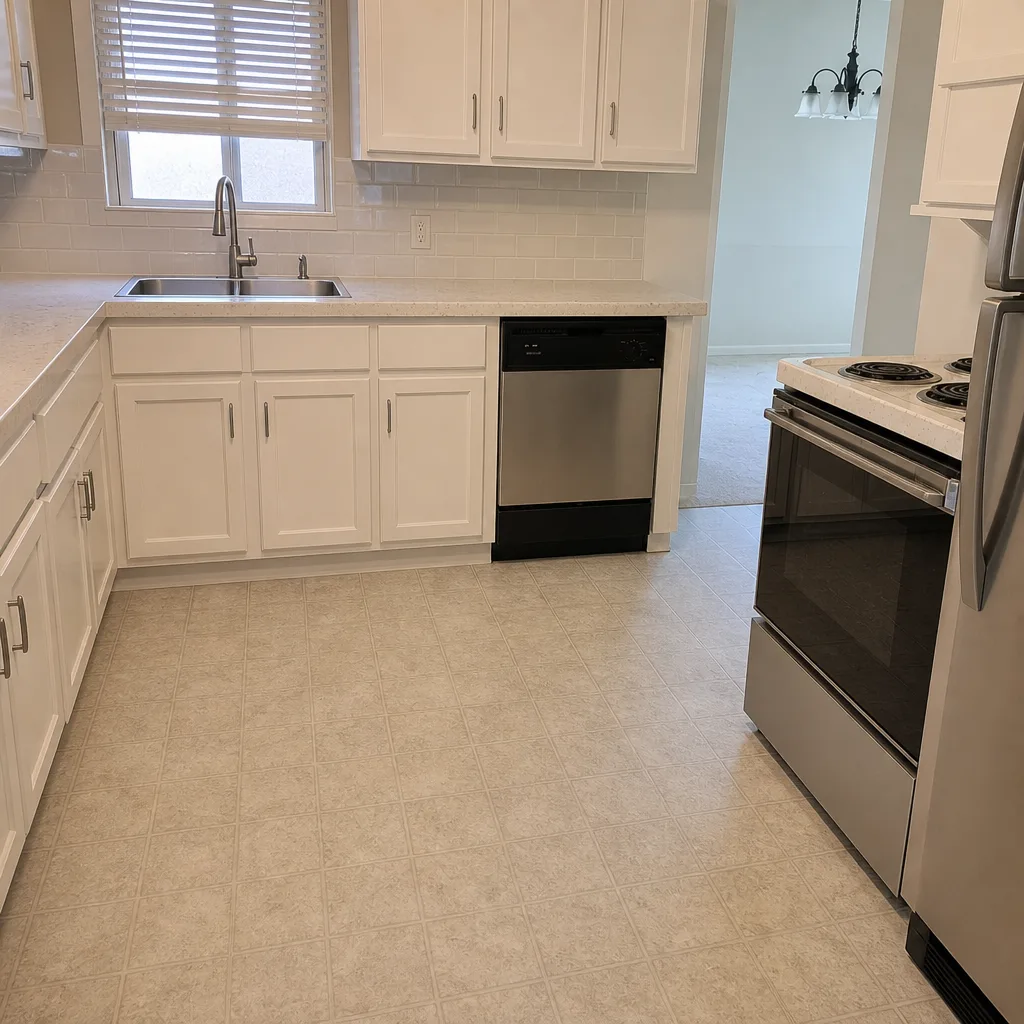 After
When to Call a Professional

Call the moment a problem crosses from cosmetic into functional, code, or structural – and definitely the moment it involves gas lines, electrical panels, a load-bearing wall, or high-tension garage door hardware. Those are not weekend projects, and the risk isn’t worth the savings. Any crack that’s widening, any water stain that won’t dry, any wall opening whose load path you don’t fully understand is a call, not a quick look.
We’ve also learned to say this plainly: a renovation problem you can’t read correctly is exactly the kind worth getting assessed before you spend more money. Our technicians have up to 21 years of experience, and the honest ones will tell you when a problem is cosmetic and when it needs to stop.
Sawyer Remodeling Paradise offers free estimates in Paradise – call (866) 977-0526 and give us the facts. A written price, a live arrival time, and photo updates are part of every job. Start with a look at our Sawyer Remodeling Paradise home to see how we run projects.
Frequently Asked Questions
Photograph it with a reference object and write down the date, location, and what was happening when you noticed. Then sort it into one of the four tiers – cosmetic, functional, code, or structural – because that determines whether it’s a punch-list item, a scheduled fix, or a stop-work. Sending it in writing the same day is what makes it real. If you’re unsure which tier it falls into, call and ask.
Look at the pattern and the trajectory. A hairline crack at a corner bead that isn’t changing is cosmetic. A stair-stepped crack across block, a crack wider than a credit card, or one that’s longer than it was a week ago is a structural question – stop and get it assessed. Seasonal movement from desert soil is its own category. When in doubt, get a real answer before you cover it.
With a properly documented job, the approved price holds. Changes happen only when the scope genuinely changes, and they should be discussed and agreed in writing before the extra work proceeds. We put a written price in your hands before any tool comes out, so the number on the invoice is the number you approved. If hidden conditions are uncovered, you hear about them first.
Cosmetic items can be batched and handled at the punch walk. Functional fixes usually get scheduled within days. Code failures get fixed before the next inspection window. Structural concerns pause work until the cause is understood, then resume with a written plan. Anyone who gives you a hard timeline before knowing the cause is guessing – ask for the cause first.
Yes. A permit is part of the project, not an option, because unpermitted work follows a house and surfaces at resale or the next inspection. We handle the permit process, the inspection schedule, and the corrections that come with it. That’s the proof the work meets code – not a verbal assurance.
It comes back open, we look at the cause, and we fix the source rather than the surface. That’s where the paper trail from photos and written records does its job – both sides already know what condition things were in. Our 365-Day Done Right Promise covers what we build: if it’s not done right, we make it right, in writing.
Call (866) 977-0526 for an exact quote on any of these – estimates are free.
The Bottom Line

Home renovation problems don’t ruin projects. Misreading them does. Sort every problem into its tier first – cosmetic can wait, functional gets scheduled, code gets fixed before inspection, structural stops the work – and you’ll nearly always spend the right amount of money at the right time. Document everything in writing with dated photos and follow-ups. Monitor what’s static; stop for what’s changing or dangerous. And insist on a written price and a photo record up front, because those two things prevent more renovation disputes than any warranty ever will. In Paradise, pay special attention to desert soil, heat, and monsoon moisture – they create the problems that catch homeowners off guard.
If a problem has you unsure which tier it belongs to, that’s exactly the moment to get eyes on it. Call us and we’ll tell you straight.
Ready to plan a project or get a problem assessed? Call Sawyer Remodeling Paradise at (866) 977-0526 for a free estimate. You’ll get a written price, a live arrival time, background-checked and uniformed technicians, and photo updates before and after – all part of The Relay Visibility Guarantee on every job.
Written by the team at Sawyer Remodeling Paradise.