Last updated November 17, 2026






Free written scope consultation - allowances, timeline, and change-order rules on paper before a single trade is scheduled
General Contractor Warning Signs Every Homeowner Should Know
The Nevada State Contractors Board received over 2,000 complaints in a recent year, and most of them involved contractors who looked completely legitimate at the estimate stage. Clean truck, good pitch, a price that beat the other two bids. The warning signs were already there. Homeowners just didn’t know what they were looking at. Bad contractors don’t announce themselves – they use the same words as good ones, and the difference only shows up in the paperwork, or the lack of it. This guide decodes the exact phrases, behaviors, and document gaps that separate a contractor you can trust from one who will cost you twice. We’re writing it from Paradise, where we’ve watched these patterns play out across hundreds of homes.
Quick Answer
The biggest warning signs of a bad contractor are a large upfront cash demand, a vague or verbal-only scope of work, contract language that leaves price open-ended, resistance to pulling permits, and a license that’s expired, suspended, or missing entirely. Any one of these is a reason to slow down. Two or more together mean walk away.
Styles & brands we work with
- Kitchen remodeling
- Bathroom remodeling
- Home additions & ADU
- Roofing
- Windows & doors
- Driveway & pavers
- Fence
Table of Contents
- The Contract Language That Signals Wiggle Room on Price
- Why a Demand for More Than 50% Upfront Is a Red Flag in Nevada
- How to Verify a Nevada Contractor License in Under Two Minutes
- Behavioral Red Flags During the Estimate
- What “We’ll Figure It Out as We Go” Actually Costs
- Schedule and Communication Signals
- The Paper Trail a Legitimate Contractor Leaves Behind
The Contract Language That Signals Wiggle Room on Price
A bad contract doesn’t lie outright. It stays quiet where it should be specific. Read the scope and payment sections line by line and look for these phrases, word for word. Each one is a door a contractor can walk through later to charge you more.
- “Price subject to change based on conditions.” Conditions means whatever the contractor decides they mean. A firm quote names the conditions up front: hidden rot, code violations, structural damage found behind a wall. It doesn’t wave at everything.
- “Allowance included for materials.” An allowance is a placeholder number. If the contract says a $1,500 allowance for tile, that’s not a price, it’s a starting line. You pay the difference when you pick real tile. Ask what the allowance covers and what happens when you exceed it.
- “Additional work billed at prevailing rates” or “at our standard hourly rate.” No number. No cap. No approval process. A written change order should name the work, the price, and require your signature before anyone swings a hammer.
- “Final price determined upon completion.” That sentence has no business in a remodeling contract. It means the number you agreed to is a suggestion.
- “Contractor not responsible for…” followed by a long list. Some exclusions are normal. A list that covers delays, material shortages, and damage is a contractor pre-loading excuses.
Our rule is simple and it’s on every job: the number on the invoice is the number you approved before work started. If a contract leaves price open, that’s your signal to ask why. For a bathroom remodel, that open-ended language is where a $12,000 project quietly becomes an $18,000 one.
Why a Demand for More Than 50% Upfront Is a Red Flag in Nevada
A demand for more than 50% of the job cost before any work begins is a cash flow problem wearing a hard hat. Nevada caps upfront deposits on residential work at 10% of the contract price or $1,000, whichever is less, with narrow exceptions. When a contractor asks for half or more, you’re not just exposed financially. You’re learning they don’t have the money to float materials and labor on your job.
That cash flow gap is how projects stall. The contractor uses your deposit to finish the previous house, then needs the next homeowner’s deposit to pay for yours. When the chain breaks, your kitchen sits half-demolished while the contractor chases new work to dig out.
A legitimate schedule looks like this:
- Small deposit to start, within the Nevada limits, to lock the schedule and order materials.
- Progress payments tied to milestones – framing done, rough plumbing passed inspection, cabinets set. You pay for work that exists, not work that’s promised.
- Final payment on completion, held until punch-list items close and you’ve walked the job.
If a contractor can’t buy drywall for your Paradise remodel without a 50% check from you, they can’t finish your job. Ask for a milestone schedule in writing. Every estimate and payment schedule we put together is itemized so the customer can see exactly what each payment buys.
How to Verify a Nevada Contractor License in Under Two Minutes
Every licensed contractor in Nevada carries a number, and the Nevada State Contractors Board keeps a public database you can search in seconds. This is the single fastest filter for a bad contractor, and most homeowners skip it.
- Get the license number in writing. It should appear on the estimate, the contract, and the truck. If the contractor won’t put it on paper, stop here.
- Search the number on the Contractors Board site. Pull up the record and read three fields: license status, classification, and any disciplinary actions.
- Confirm the status. An active license is what you’re looking for. A suspended or expired license means the contractor can’t legally work – or collect – on your job.
- Check the classification. A residential license covers residential remodeling. A specialty license is scoped to one trade. Hiring a roofer to remodel a bathroom is a mismatch, and it can void the license protection you thought you had.
A suspended license usually means the Board is mid-action or the contractor fell behind on obligations. It shows up clearly on the record. We recommend checking the license before you even read the quote. When we quote a project in Paradise – like a full kitchen in a home near the Lakes or a bathroom refresh off Sandhill – the license number is printed on the paperwork. The Board also tracks these protections; if a licensed contractor walks with your deposit, there’s a recovery fund. If they were never licensed, you’re on your own.
Behavioral Red Flags During the Estimate
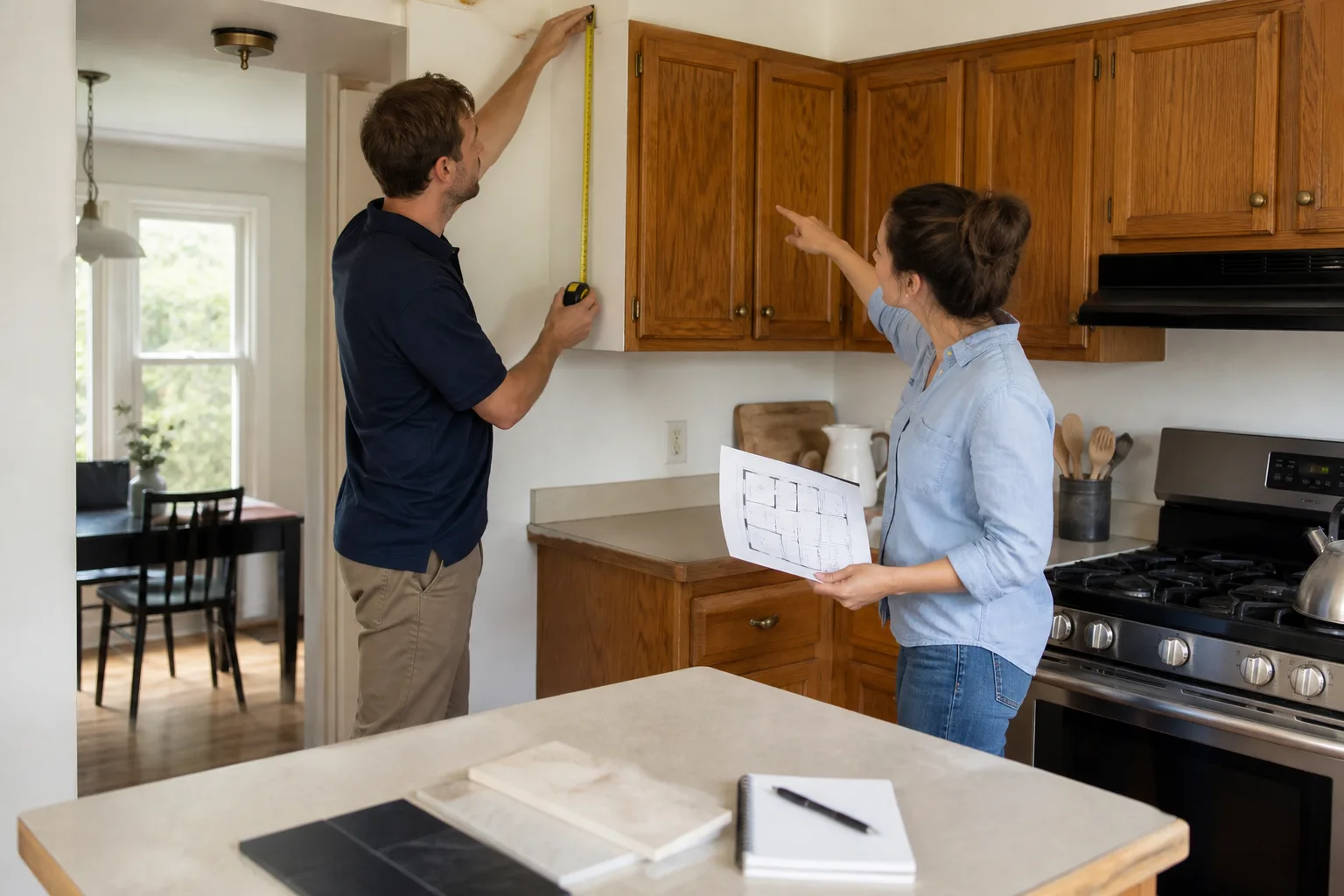
The estimate meeting is where the tells show up, if you know what to watch. Watch for vagueness about who actually does the work. “Our crew” sounds reassuring, but remodeling runs on trade specialties: licensed plumbers, electricians, tile setters. A contractor who can’t name which trades they’ll bring in, and who’s licensed for the electrical and plumbing, is either guessing or hiding something. Ask directly: who pulls the permits, who does the plumbing rough-in, and are those subs licensed and insured?
Next, look for no written scope. A verbal estimate and a handshake is not an estimate – it’s a wish. The scope should name materials and brands, measurements, and what’s excluded. “Prep and install” tells you nothing. “Remove existing 60-inch tub, frame for Schluter shower system, install Kohler fixture included in the estimate” tells you exactly what you’re buying.
Then comes the telling one: discouraging permits. Excuses run from “permits slow everything down” to “you don’t need one for that.” In Clark County, structural changes, electrical, plumbing, and most remodels that move walls need permits and inspections. A contractor who dodges permits is dodging the inspection that would catch bad work, and it leaves you holding the problem – an unpermitted addition can stall a sale and force a tear-out. When we quote a remodel in Paradise, the permit is part of the plan, pulled and inspected.
Other red flags that show up at the estimate:
- Pressure to sign today for a “discounted price” – a real quote holds.
- No business address you can verify, or a number that only goes to voicemail.
- A quote that’s dramatically lower than the other two with no explanation of why.
- Reluctance to put anything in writing.
What “We’ll Figure It Out as We Go” Actually Costs
“We’ll figure it out as we go” is how a defined price becomes an open invoice. Undefined scopes are the single most common path to invoice shock, and the math is quiet until it isn’t.
Here’s how it plays out on a bathroom remodel in Paradise. The original quote is $14,000. Then: the tile layout wasn’t specified, so you change it after demo – $1,800. The scope didn’t say who moves the plumbing for the new vanity location, so it’s an add – $2,200. Nobody checked whether the subfloor was level until the tub came out, so now it’s new framing – $1,400. Each line is small. Together you’re at $19,400, and the contractor shrugs because the contract said “additional work billed at prevailing rates.”
A defined scope closes that door before it opens:
- Every trade named, with the licensed plumbing and electrical called out as included or excluded.
- Measurements and layout written down – tile dimensions, fixture model numbers, cabinet sizes.
- Material brands specified, so a “premium” shower valve means a Kohler you can price, not whatever’s on sale.
- Definitions for “found conditions” – what’s covered if the wall opens up and reveals rot, and what it costs.
- Written change orders for anything added mid-project. Signed before the work starts. No signature, no charge.
We’ve seen dozens of Paradise homes where the fix wasn’t the work itself, it was rebuilding a project the homeowner thought was priced. Two of the notes our customers hear most: your price is in writing before we start, and if something changes, you sign a written change order before it happens.
Schedule and Communication Signals
Communication issues during the estimate stage are a preview of the whole job. The contractor who takes three days to return a call before you’ve signed will take longer once you’ve paid. Late quotes, missed appointments without a text, and a rickety “you’ll hear from us” are all tells. A contractor who manages a schedule well communicates the way a project needs: named arrival windows, live updates, and a way to reach a human, not a voicemail box.
Watch the way they talk about start dates. A firm bid that names a realistic start window and explains the sequence is a good sign. “We’ll get to you as soon as we can” means you’re in a queue behind wherever the next deposit comes from. Ask how many jobs they’re running at once – a contractor stretched across six projects is a contractor who can’t keep his promised schedule on yours.
This matters most in Paradise, where summer heat narrows the window for exterior work and inspections can add days to a schedule. A contractor who understands that will plan it into the timeline. One who doesn’t will discover it mid-job at your expense. The best sign of all: someone answers when you call, and the person who answers knows your project. Every call at Sawyer Remodeling Paradise is a live person, at any hour, and every arrival time is confirmed ahead.
The Paper Trail a Legitimate Contractor Leaves Behind
A good contractor leaves a paper trail from the first visit to the final walk-through. If you’re evaluating a quote, ask for these documents. A real one has them ready and doesn’t flinch.
- Written, itemized estimate – line items, not a single lump sum. Materials, labor, permits, and exclusions named separately.
- Active Nevada license number printed on every page.
- Proof of insurance – general liability and workers’ comp. Ask for the certificate, not a verbal yes.
- A written scope of work that names trades, brands, and measurements.
- A written guarantee on repairs, in plain language, not a verbal promise.
- A written change-order process – the contractor’s name for how additions get approved and priced before work starts.
Name-brand products are another paper trail. A contractor specifying Cambria or Caesarstone counters, Kohler fixtures, GAF roofing, or James Hardie siding is choosing products with manufacturer backing, which means warranty support behind the install. It also means you can price the same materials yourself and know the labor isn’t buried under mystery parts.
We put the entire package in writing: itemized price before any work starts, background-checked uniformed technicians, and a 365-Day Done Right Promise that extends accountability long after the final invoice. That’s the standard a contractor should be willing to hand you in writing before you sign anything.
Common Mistakes to Avoid
- Signing a contract before reading the price section word for word. The wiggle-room phrases hide in plain sight; scans for “subject to change,” “allowance,” and “additional work billed” first.
- Paying a big deposit. Even if the contractor has a nice truck and a good story, a demand for more than the Nevada limit is where the trouble starts. Get the payment schedule in writing and tie it to milestones.
- Skipping the license check. Two minutes on the Contractors Board site would flag the suspended license and disciplinary history that a homeowner in Paradise finds out about too late.
- Accepting a verbal quote. “I’ll get you the number” is not an estimate. A written scope with material brands and measurements protects you when the walls open up.
- Letting the contractor skip permits to save time. A job without an inspection can turn into an unpermitted remodel that stalls a sale or forces a tear-out, and the cost lands on you.
- Choosing on price alone. The lowest bid is often the one with the most undefined scope – the invoice shock happens later, at your expense.
- Not asking about change orders up front. If the process for additions and mid-project surprises isn’t in the contract, it’s a blank check.
See the difference
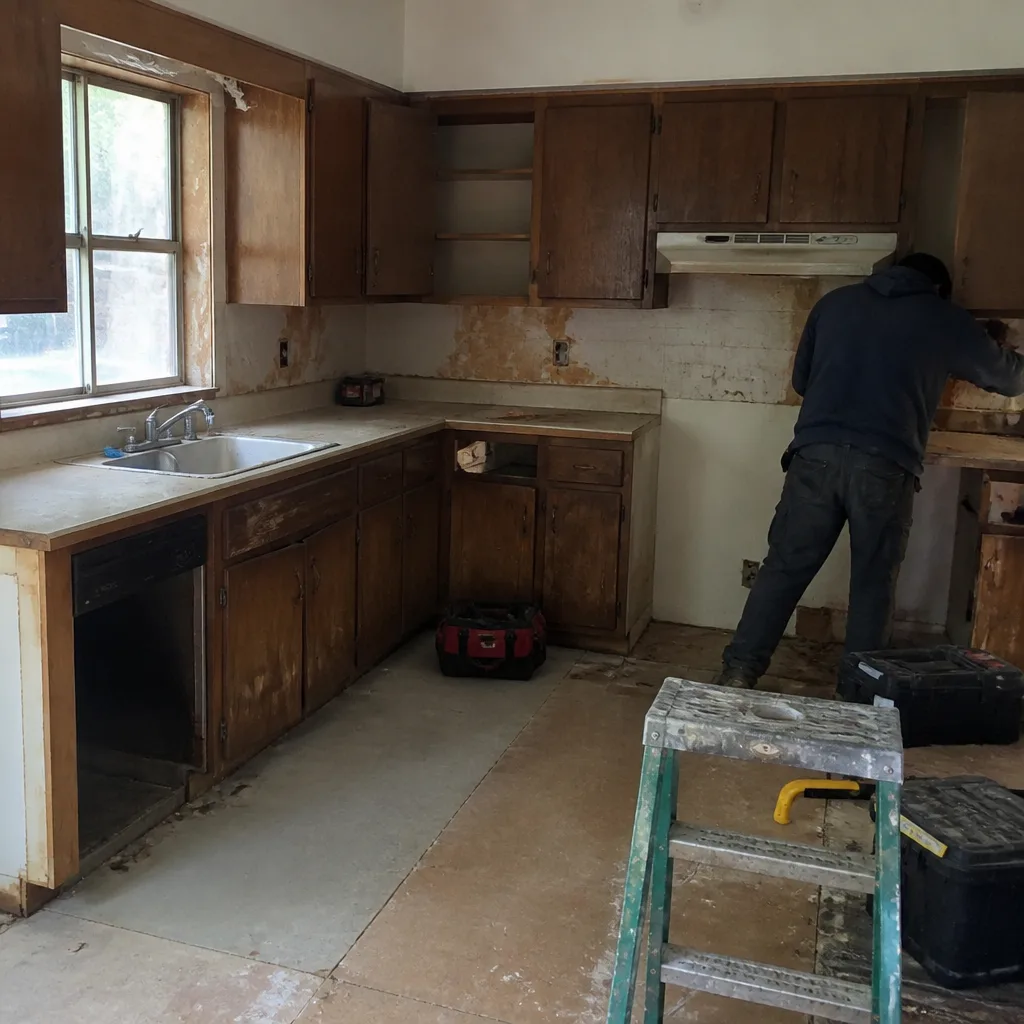 Before
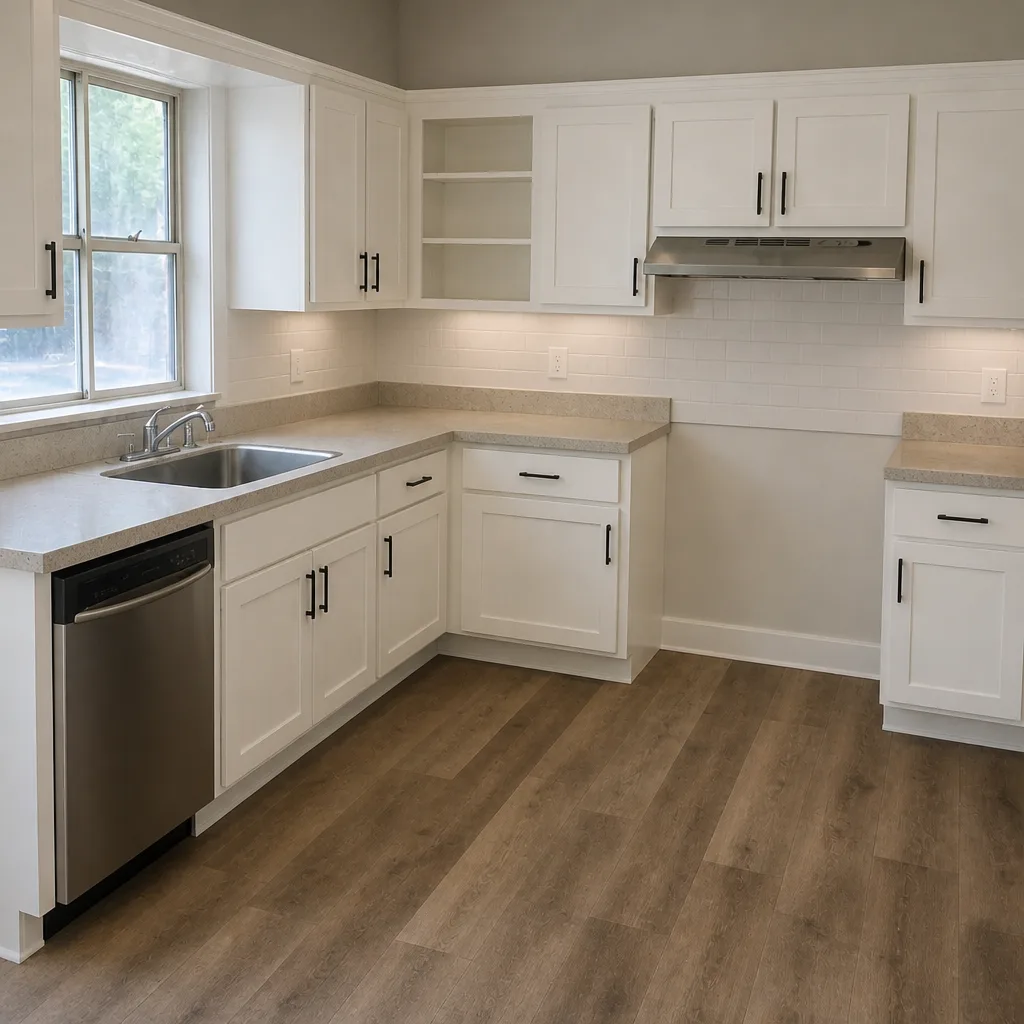 After
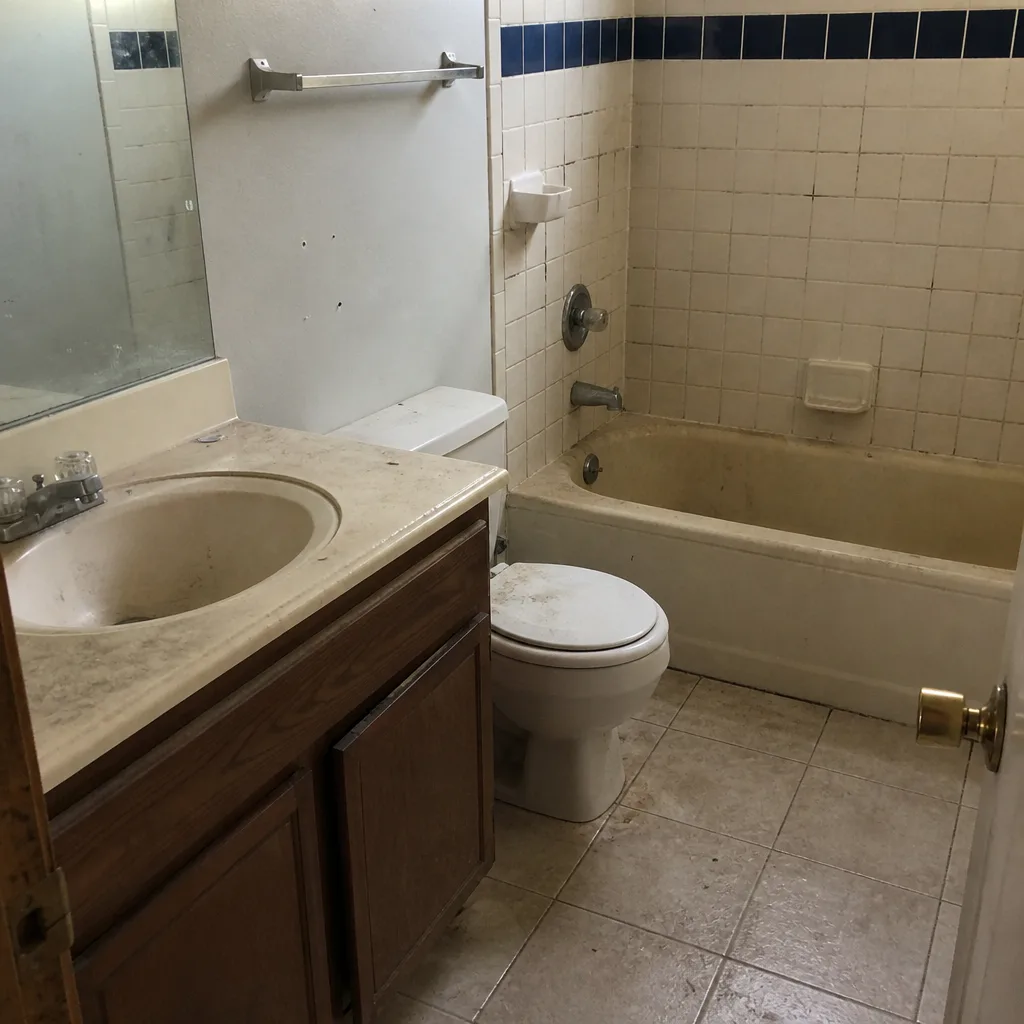 Before
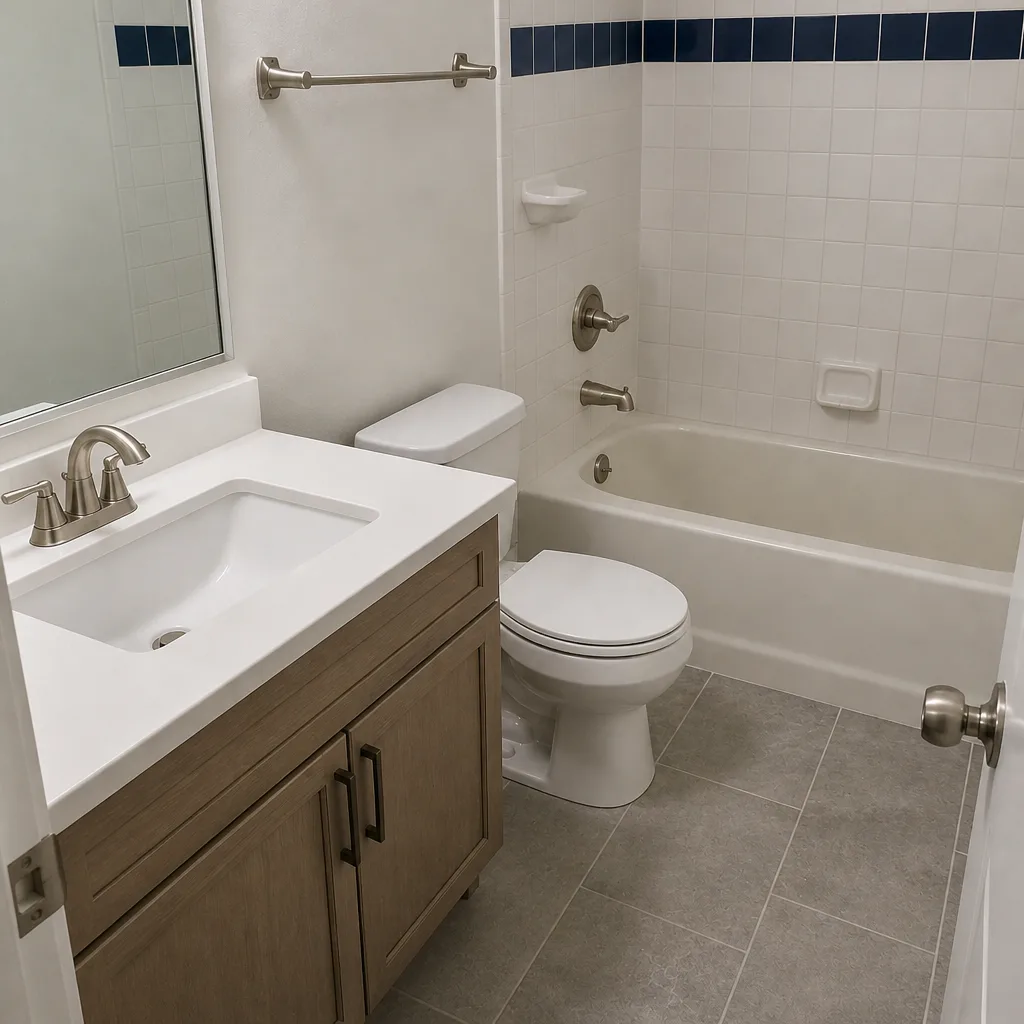 After
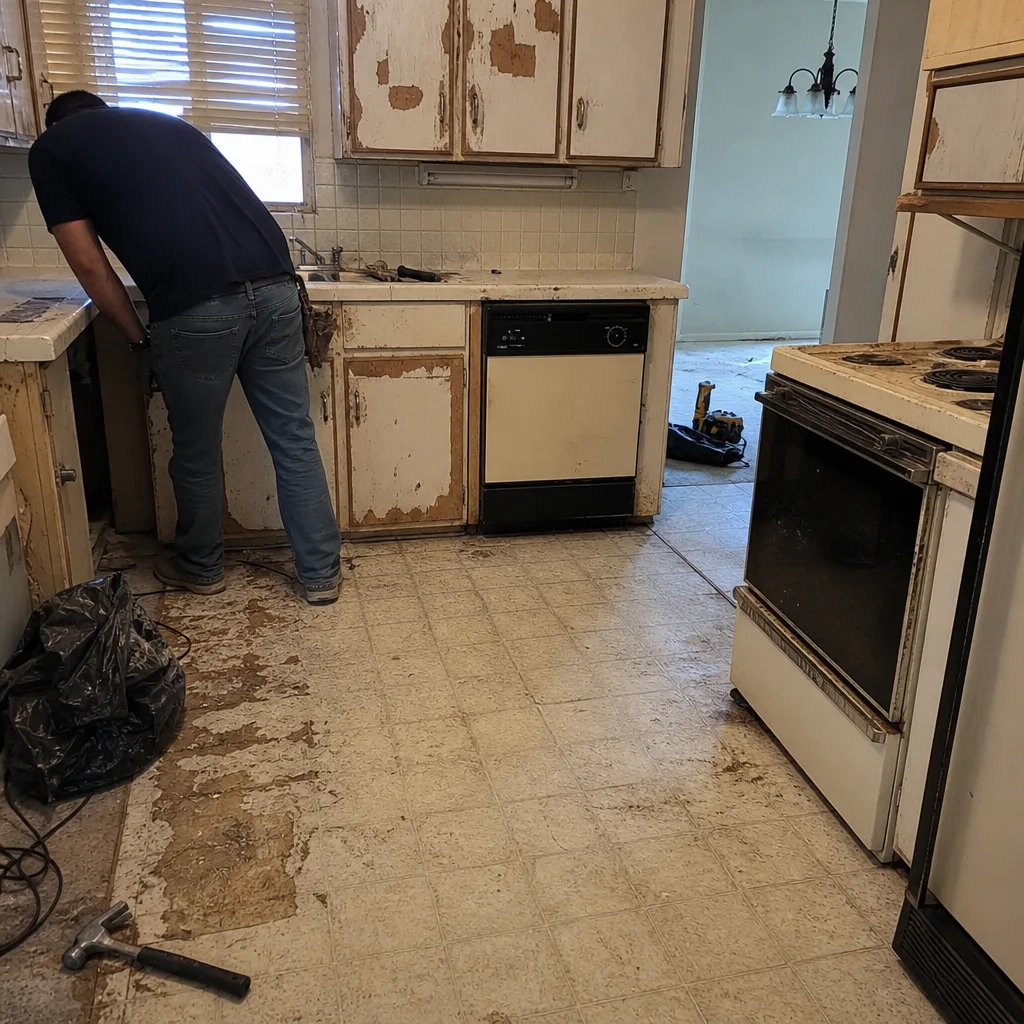 Before
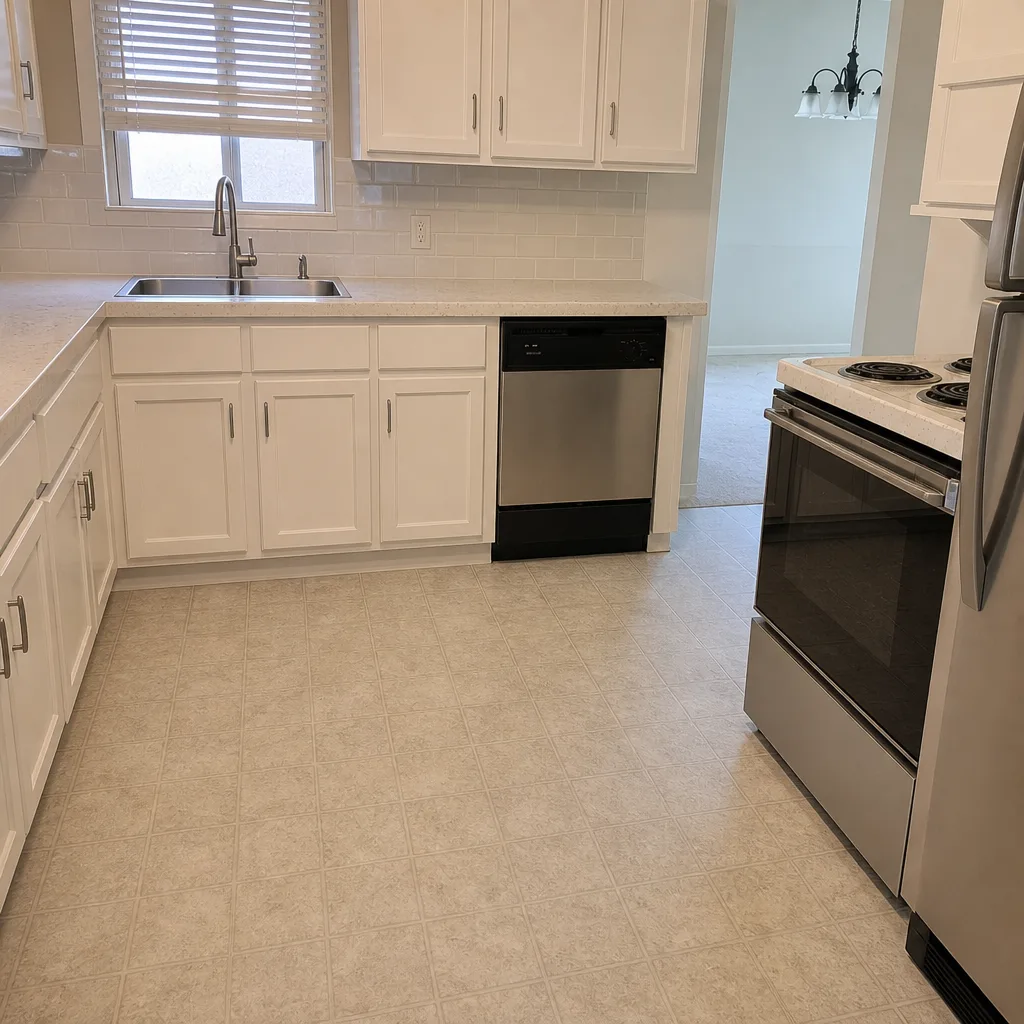 After
When to Call a Professional
The moment a contractor can’t produce a license number, or asks for a deposit that doesn’t match Nevada’s limits, that’s the moment to call someone else. Other times it’s not a repair question – it’s a job that’s being planned, and the right professional makes the scope clear from the start. Get one when walls will move, plumbing will relocate, or electrical will change; when the contract will tie down materials, brands, and inspections; and when a serious price is on the table and you want to know what it actually buys. For a bathroom or kitchen project, an experienced contractor should be able to explain what’s included, what’s excluded, and how each trade will be licensed. Sawyer Remodeling Paradise offers free estimates in Paradise – call (866) 977-0526 to schedule yours.
Frequently Asked Questions
In the Paradise area, repairing another contractor’s incomplete or failed work typically costs 40% to 75% more than doing it right the first time, because the fix usually involves demolition to get to the problem. Re-work on a half-finished bathroom commonly runs $4,000 to $9,000 beyond the original scope, and unpermitted work adds inspection fees, drawing costs, and sometimes full removal of the offending wall or plumbing. Call (866) 977-0526 for an exact quote on your situation – estimates are free.
Nevada caps residential upfront deposits at 10% of the contract price or $1,000, whichever is less, with narrow exceptions. A contractor asking for 50% or more is outside the limit and signaling cash flow problems. Ask for a milestone-based schedule with payments tied to completed stages instead. Call (866) 977-0526 and we’ll walk through what a typical itemized schedule looks like.
Pull the contractor’s license number off the quote, then search it on the Nevada State Contractors Board’s public database. Read the status field – active means they can legally work; suspended or expired means they can’t. Also check the classification to confirm it covers residential remodeling. The whole check takes under two minutes.
Nevada requires a written contract for most residential remodeling work, and it should include the license number, scope, payment schedule, and warranties. Even where a formal contract isn’t technically required, a verbal agreement is a liability, not a plan. Insist on written terms before any work begins. Call (866) 977-0526 if you’d like to see what a written scope looks like on a Paradise remodel.
Undefined scopes typically add 20% to 35% to project cost, because every unlisted trade, material, or “found condition” becomes an add-on. A $14,000 bathroom can land near $19,000 when tile layouts, plumbing moves, and subfloor repairs weren’t in the original scope. A written, itemized scope is the fix. For an itemized quote in Paradise, call (866) 977-0526.
A good estimate takes a few days to a week and should arrive as a written, itemized document that names labor, materials, permits, exclusions, and payment milestones. A handshake number or a one-line total isn’t an estimate. Call (866) 977-0526 to schedule a free, itemized estimate in Paradise.
The Bottom Line
Bad contractors don’t wear signs. They use the same words good ones do, and the difference sits in the paperwork – the price section that leaves room to charge more, the missing license number, the 50% deposit, the scope that says “we’ll figure it out.” Check the license, read the price language, refuse the big deposit, and demand a written scope before you sign. Any one of these tells is a reason to slow down; two or more, and you haven’t lost a contractor, you’ve avoided a problem. When you’re ready to see what a written price looks like, call (866) 977-0526 for a free estimate from Sawyer Remodeling Paradise – we’ll put it in writing before any work starts, back it with a written guarantee, and answer live every time you call. If you’re mapping out a bigger project, start with our Sawyer Remodeling Paradise home page, and if you’re nearby, our team also handles general contractor work in Sunrise Manor, kitchen remodeling in Sunrise Manor, and bathroom remodeling in Sunrise Manor.
Written by the team at Sawyer Remodeling Paradise.